
Last updated November 14, 2026
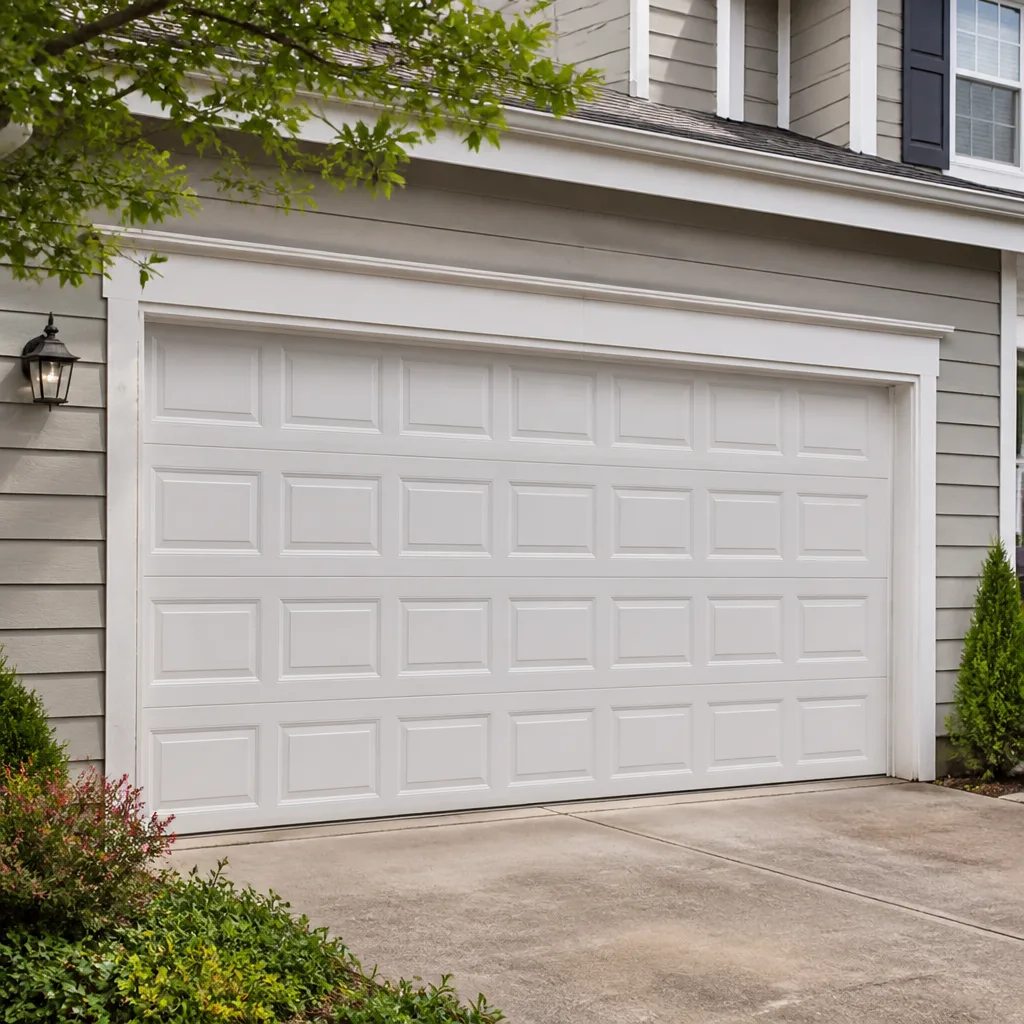 Raised-panel steel
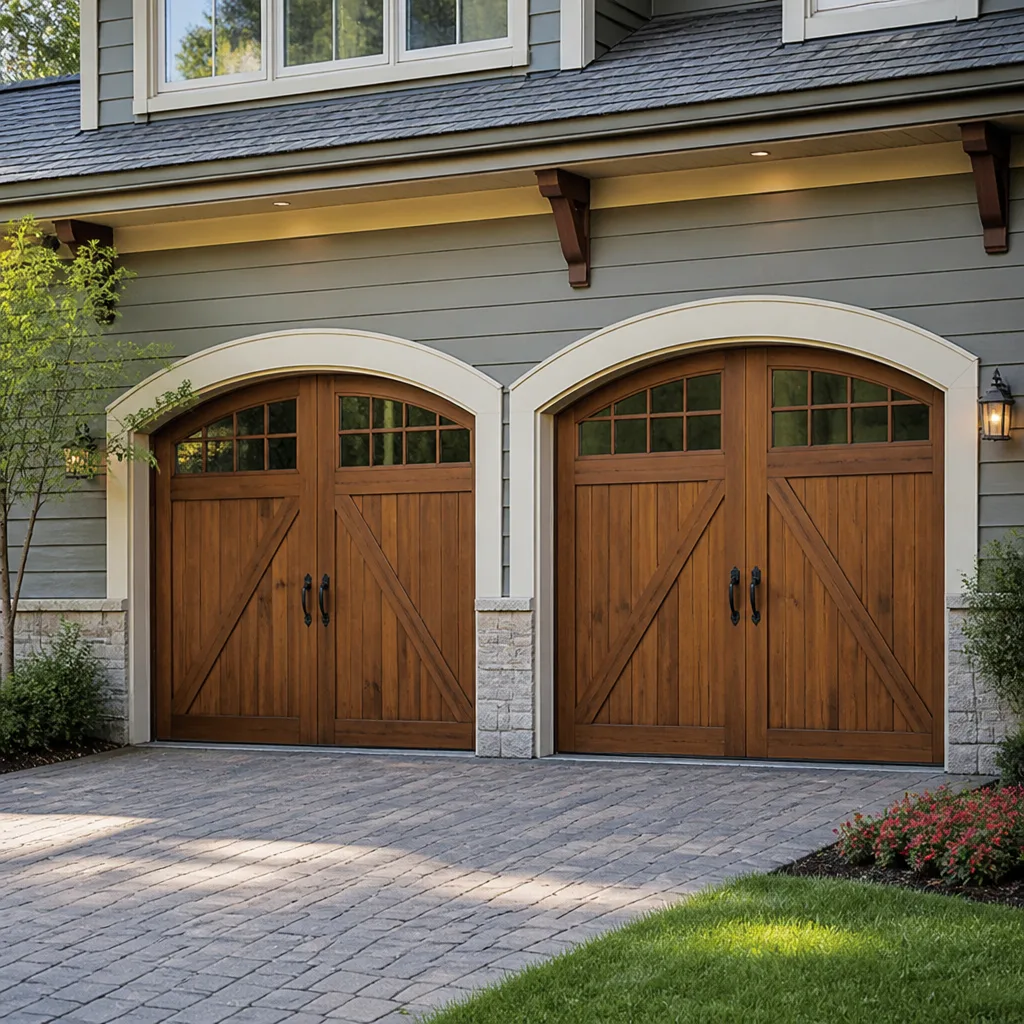 Carriage house
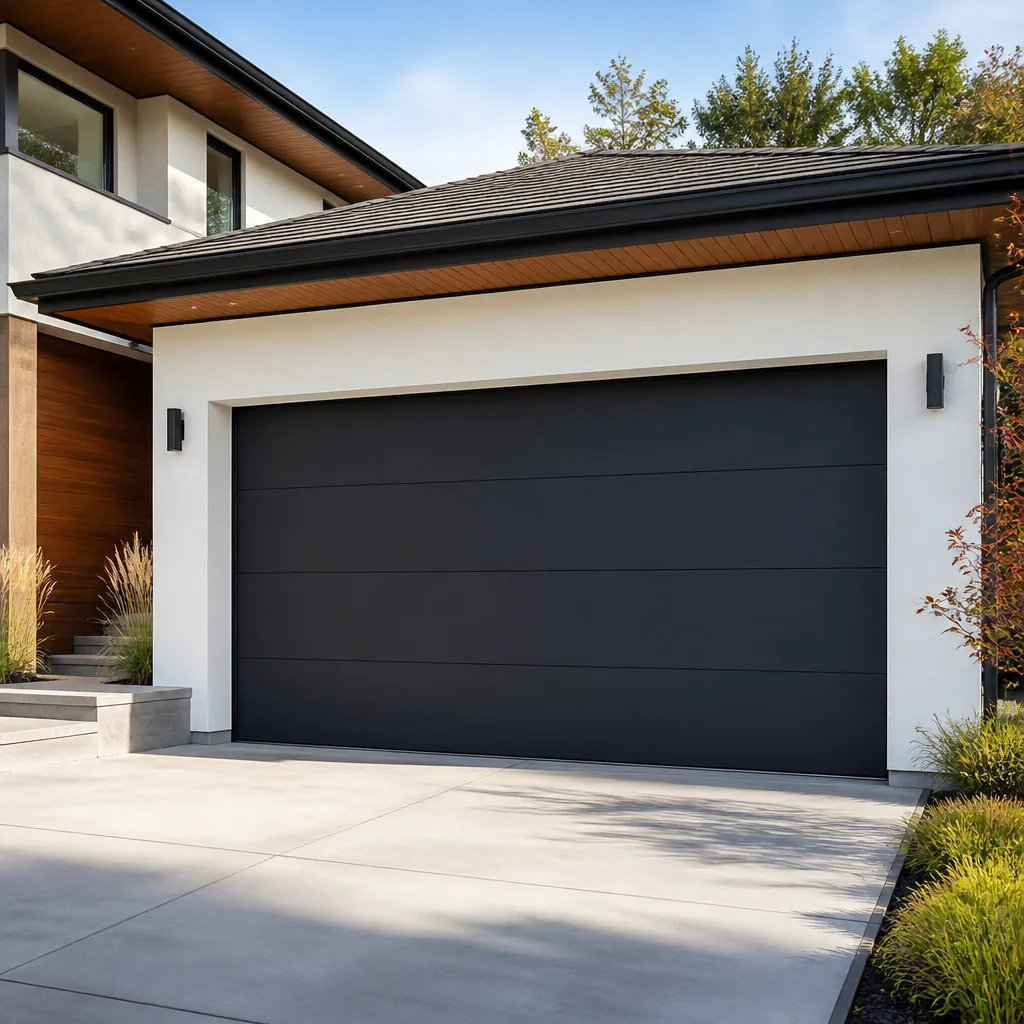 Modern flush
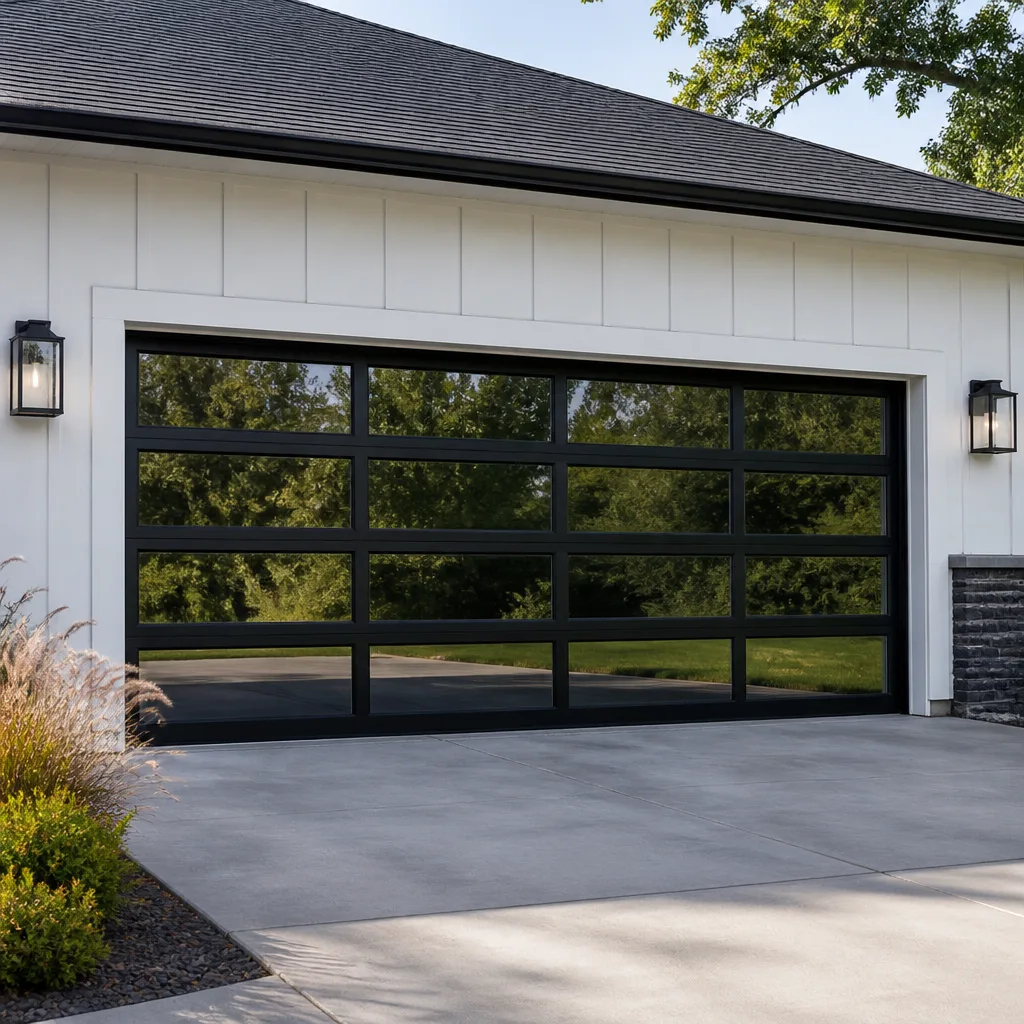 Full-view glass
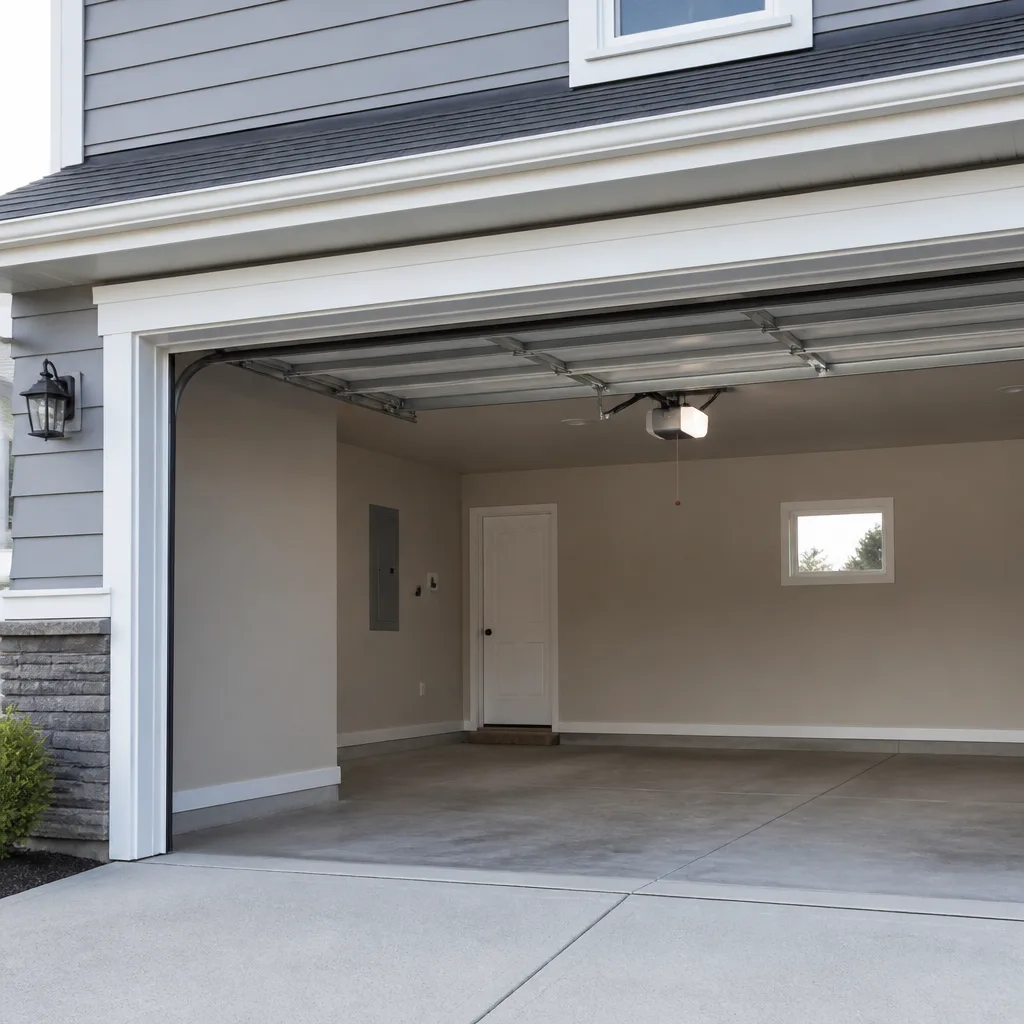 LiftMaster openers
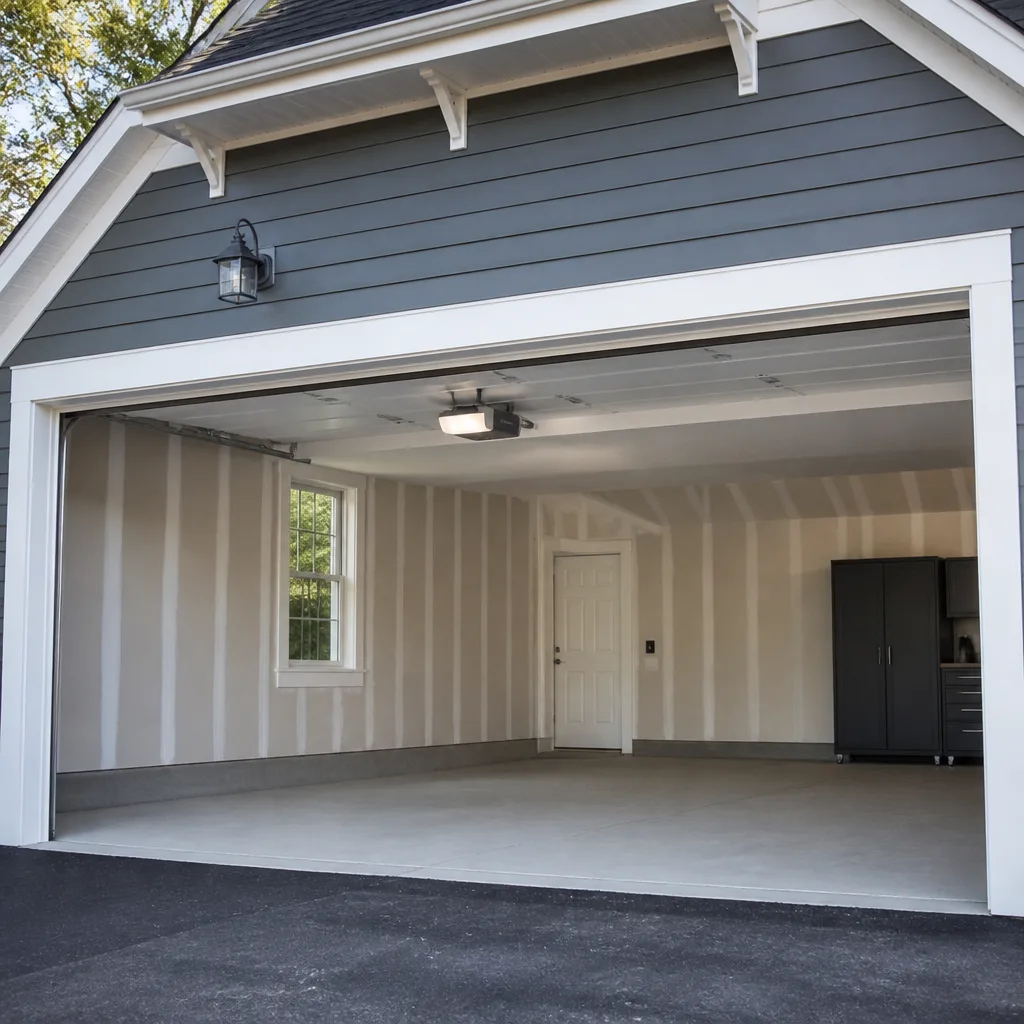 Chamberlain openers
Full 25-point door and opener safety check with every visit - springs, cables, rollers, tracks, and your LiftMaster or Chamberlain opener included
You get a price before we start. It does not change when the pro arrives.
Get your free estimateChoosing the Right Garage Door Brand: A Buyer’s Guide for Meridian
A garage door brand that earns high marks in national testing done in a mild, humid climate isn’t automatically the right door for Meridian. Ada County throws a specific mix at a door: alkaline dust that works into hinges and tracks, summer UV that fades and chalks cheap finishes, and hard freezes that arrive fast. On top of that, warranty service in the Treasure Valley varies more by brand than most buyers expect, and some brands’ parts take days to special-order while others sit on a local distributor’s shelf. This guide walks through what actually matters here, from steel gauge to opener compatibility, so you can buy once and buy right.
Quick Answer
The right garage door brand in Meridian is the one with a local parts chain, a steel gauge suited to dent resistance, and warranty terms you’ve actually read. In practice, that means sticking with brands your local distributor stocks and your specialist repairs, matching the door’s construction to how your garage is actually used, and pairing the door and opener so the electronics talk to each other cleanly. Quality ratings matter, but they’re only one input.
Styles & brands we work with
- Raised-panel steel
- Carriage house
- Modern flush
- Full-view glass
- LiftMaster openers
- Chamberlain openers
Table of Contents
- Why Meridian’s Climate Rewrites the Brand Shortlist
- Local Parts Availability: The Brand Question Nobody Asks
- Steel Gauge and Dent Resistance in the Treasure Valley
- Insulation R-Value: When It Matters and When It Doesn’t
- Opener Compatibility: Why Mixing Brands Causes Friction
- Reading a Warranty Beyond the Headline
- How to Choose a Brand Step by Step
- Common Mistakes to Avoid
Why Meridian’s Climate Rewrites the Brand Shortlist
Meridian sits in the Treasure Valley, and the Treasure Valley has a signature: an alkaline, mineral-heavy soil and dust that drifts onto every surface, including the inside of a garage. That dust is abrasive. It works into rollers, hinges, and the bottom seal and grinds slowly through the parts that move most. A brand with sealed, serviceable bearings and rollers that can be cleaned and re-greased will outlast a brand with cheap open rollers that seize once the dust packs in.
Then there’s the sun. Meridian gets intense summer UV, and a lot of it lands directly on a west- or south-facing door. A steel door with a thin, low-grade paint system will chalk and fade. Brands that factory-apply a baked-on finish hold up noticeably better than doors finished with a cheaper coating. If you’re choosing between two brands with similar specs, the one with the better finish system is often the smarter buy in Meridian specifically.
Freeze and thaw do the rest. Meridian winters swing hard, and the cycles open and close gaps at the door bottom and at panel seams. That’s a door-construction question more than a brand question, but it’s worth knowing which brands use double-sided steel with a thermal break and which use a single skin.
What you won’t get from a national spec sheet is any of this. A door rated for general residential use doesn’t tell you how it behaves after five summers in the valley. That’s why, when we’re helping a homeowner in Meridian think through a brand, we lean on what we’ve seen fail on local doors and what holds. Below is a comparison of the brands we work on most, and how they fit the local picture.
Local Parts Availability: The Brand Question Nobody Asks
Before you ever buy a door, ask one practical question: when something breaks, how fast can the part get here? In Meridian, that answer varies by brand. Distributors carry some brands deep and others thin. If your brand is stocked locally, a snapped spring or a bent roller can often be swapped the same day or next. If it isn’t, you’re waiting on a special order that can stretch your door’s downtime past a week.
This isn’t a knock on any brand’s quality. It’s about the supply chain, and the supply chain is a local thing. A brand that dominates in another region might be an afterthought in Ada County, and vice versa. Our garage door repair work runs into this regularly: a homeowner bought a perfectly good door from a brand with no local parts channel, and a routine spring swap turned into a wait.
What we’ve seen work best for Meridian homeowners is sticking with brands that have real local distribution. From our work on doors and openers around the valley, a few names come up again and again:
- Craftsman and LiftMaster openers are everywhere in Meridian for a reason. Both are sold widely and serviced widely, so a motor, gear, or logic board is rarely a long hunt.
- Raynor door hardware and Clopay panels are stocked by distributors that serve the Treasure Valley, which keeps repair times short.
- Amarr and Wayne Dalton cover a large share of local homes, so their parts are generally close at hand.
- Genie and Chamberlain openers round out the common residential picture, with parts and remotes easy to source.
None of this makes a poorly stocked brand a bad door. It makes it a product you buy knowing you’ll wait for parts. If speed on a repair matters to you – and if your garage is the main entrance to the house, it does – that’s a brand-selection factor worth weighting heavily. And if a brand is on a distributor’s shelf, a specialist can fix it without a second contractor or a long wait. Whether it’s a snapped spring or a smart opener that won’t respond, we’ve diagnosed it before.
Steel Gauge and Dent Resistance in the Treasure Valley
Steel gauge is one of the most misunderstood specs on a garage door. Lower gauge numbers mean thicker steel: 24-gauge is thinner than 25-gauge, which is thinner than 27-gauge. Most standard residential doors run in that 24 to 27 range, with 24-gauge sitting at the heavier end and 27-gauge at the lighter end. Decked out in other words, a 24-gauge door is more dent-resistant than the same door built at 27-gauge, but it’s also heavier, which loads your springs and opener harder.
In Meridian, where hail is uncommon but wind-driven debris and yard tool impacts are not, gauge matters most on the parts of the door you touch. Door panels facing the driveway take tool handles, mower decks, and kids’ bikes at ground level. A heavier gauge in that zone resists dents; a lighter one will ding more easily and show it for years.
That’s why it’s worth asking what gauge a brand’s door actually uses, and where it uses it. Some manufacturers build a hybrid: heavier steel on the lower panels, lighter steel higher up. That’s a smart build for a garage that sees frequent use, and it’s a question most buyers never ask.
Here’s a practical comparison to bring to a showroom or a conversation with a specialist:
- Thickness is not the same as finish quality. A 24-gauge door with a weak paint system will chalk in the sun before a 25-gauge door with a good one.
- Heavier is not always better. A heavier door needs matched springs and an opener rated for the load. An under-spec’d opener will wear out faster on a heavy door.
- Insulated doors often use heavier steel skins. The insulation is sandwiched between two steel sheets, which usually means a stiffer panel overall.
- Ask who makes the door and who builds the panels. Some brands assemble a door from panels made by larger mills, and knowing that helps you compare apples to apples.
We don’t push one gauge over another as a universal answer. Meridian homes range from single-car garages with a lightweight door to double doors on attached garages that get opened five times a day. The right gauge follows from how the door is used and how long you want it to look good, not from a spec sheet alone.
Insulation R-Value: When It Matters and When It Doesn’t
Insulation is the spec most buyers overthink, because the R-value number is the easiest one to quote and the hardest one to put in context. R-value measures resistance to heat flow. Higher R-value means better insulation, and an insulated door costs more than an uninsulated one. Whether it’s worth that cost in Meridian depends entirely on what the garage behind it is doing.
Here’s how to match the spec to your actual use.
- Attached garage used as a workspace or hangout. If you’ve turned the space into a gym, a shop, a home office, or a room the kids play in, insulation matters. An insulated door cuts heat gain in summer and heat loss in winter, and it makes the garage quieter because the foam or polyurethane core absorbs sound.
- Attached garage that’s just a garage. If you’re mostly parking cars and passing through, a moderately insulated door is the usual sweet spot. It helps keep the garage comfortable, and it doesn’t send money you don’t need to spend.
- Detached storage garage. If the building is separate and unheated, insulation on the door does very little. The cold comes through the walls and roof too, so an insulated door may not pay you back. Spend that money on dent resistance and hardware quality instead.
- Air-conditioned or heated garage. If the garage is conditioned, match the R-value to the rest of the space so the door isn’t the weakest point in the envelope.
Meridian’s temperature swings make this more than a comfort question. A well-sealed, insulated door tends to hold its alignment better through freeze-and-thaw cycles, and that can mean fewer adjustments over the life of the door. We work on all these door systems regularly, and the ones with solid construction and good seals stay truer longer. If you’re weighing a door upgrade and want a straight answer on what’s worth paying for in your specific garage, a free estimate is the fastest way to get it.
Opener Compatibility: Why Mixing Brands Causes Friction
A garage door and a garage door opener are two systems that have to work as one, and they don’t always, even when both are good products. When you buy a door from one manufacturer and an opener from another, you’re introducing two separate control systems to the same job. Most combinations work, but a few don’t, and the friction usually shows up later, not at installation.
Here’s where mixing brands can create trouble:
- Safety sensors and travel limits. An opener’s safety reverse system and travel settings are tuned to the door’s weight and speed. Install the two from different makers without dialing them in together, and the door may stop short or reverse on close.
- Remote and keypad ecosystems. Modern openers bring their own remotes, keypads, and app. If the door’s opener brand and your smart-home setup don’t share a protocol, you may need extra bridges or find some features simply won’t work.
- Spring and weight matching. A heavy, insulated door paired with an opener setup that wasn’t sized for the load will wear the motor early. The door and opener brands need to agree on the weight class, not just on looks.
- Service access. If the door brand and the opener brand are serviced by the same local specialist, one call covers both. If they’re not, you split the job.
Our guidance here is simple: decide on the door first, then choose an opener that’s rated for that door’s weight and height, from a brand with local parts. When you’re ready for that second step, our garage door opener repair team can tell you which combinations work cleanly with your door and which are known to fight. Whether it’s a legacy mechanical unit or a smart-home-compatible model, we’ve serviced it before.
Reading a Warranty Beyond the Headline
Garage door warranties are written in layers, and the headline number is the least useful part. A “lifetime” warranty sounds like a permanent promise, but on the brands commonly sold in Idaho, lifetime terms usually break down by component and get shorter as you go. What’s covered, and for how long, depends on the part and on what caused the failure.
Here’s how to break a warranty down before you buy:
- Panels and sections. The steel itself may carry a long warranty, but the paint finish often carries a shorter one, and fading from UV exposure may or may not be covered. Given Meridian’s sun, ask specifically about finish and color fade.
- Hardware and springs. These are usually the shortest windows, sometimes just a few years, because they wear out fastest. That’s the part most likely to fail, so read those terms closely.
- Openers. Motors, gears, and logic boards each carry their own terms, and connections to a non-matching door can void parts of the coverage. Pair them properly.
- Installation requirements. Coverage usually depends on the door being installed and maintained correctly. A door installed without the right hardware or without the specified clearance can lose coverage. That’s one reason an experienced installer matters.
- Transferability. Some warranties transfer to a new homeowner, some don’t. If you might sell, this is worth knowing.
One more thing, and it’s the one most people miss: warranty cost isn’t just the price of the part. It’s how long your garage door sits unusable while a claim is processed. A brand with a good local service channel can help here in a way no warranty document can. Ask which brands are serviced locally and which require claims through a national channel.
How to Choose a Brand Step by Step
When you put all of this together, choosing a brand for a Meridian garage door becomes a process, not a gut call. Here’s the sequence we’d walk through ourselves.
- Define how the garage is used. Attached workspace, main-entrance garage, detached storage, or conditioned space. That single answer narrows your insulation and gauge choices fast.
- Set a quality and thickness target. Decide if you’re buying for durability on a frequently used door or for basic function on a low-traffic one. Then ask what gauge and finish each candidate door uses.
- Check local parts availability. Ask the specialist or distributor which brands are stocked in the valley and which are special-order. This affects repair speed for the life of the door.
- Choose your opener separately. Match the opener to the door’s weight and height, from a brand with local support. LiftMaster and Chamberlain, Craftsman and Genie, are all well supported locally.
- Read the warranty by component. Panels, finish, hardware, springs, opener. Note what’s actually covered and for how long, and whether it transfers.
- Get a written estimate before anything is ordered. The written estimate sets the final price, and it should spell out door, opener, hardware, and installation scope. Free estimates are standard here, and they’re the way to make the comparison fair.
That sequence feels like more work upfront, and it is. But it’s the difference between a door that’s still opening smoothly after many years and one that has you calling for repairs every winter. We’ve spent time in the Meridian market, and the winners in each of these steps are usually the same doors: solid steel, well-finished, locally stocked, and paired with an opener built for the load. If you want to talk through the door, the hardware, and the opener in one conversation, our team can help.
Common Mistakes to Avoid
- Buying on national ratings alone. A door that tests well in a mild climate may not have the finish or local parts channel you need in Meridian. Check both before you commit.
- Ignoring local parts availability. A beautiful door from a brand with no valley distributor means days of waiting when a spring or roller fails. That’s a real cost in daily convenience.
- Over-insulating a detached garage. If the garage is unheated and separate, an insulated door may not pay back. Match the R-value to the space, not to the brochure.
- Mixing door and opener brands without checking compatibility. They often work together, but not always, and a mismatched pair can cause travel, sensor, or remote issues that add up over time.
- Choosing the lightest gauge to save a little. In a valley where dust and yard tools meet panels, thicker steel usually earns its keep on the lower sections.
- Reading only the warranty headline. “Lifetime” coverage usually means something narrower once you get to hardware, finish, and springs. Read the component terms before you buy.
- Letting a generalist install the door. Installation determines whether the warranty holds and whether the door stays true. A dedicated specialist installs doors the way the manufacturer intended.
When to Call a Professional
Some of this you can sort out yourself: deciding how the garage is used, reading a spec sheet, comparing prices. But some of it belongs in the hands of a specialist. If your current door is struggling – a spring that’s stretched or snapped, a door that binds or jerks, an opener that runs but won’t lift – the diagnosis matters as much as the fix. A brand-level repair question (“is this worth fixing or is the door ready to be replaced?”) is one we answer often for Meridian homeowners, and we’ll tell you straight when a fix is the better investment and when it isn’t. Spring and cable work carries a real injury risk, so it’s not a job for a homeowner with a wrench, and the same goes for any work that touches the tension or travel settings on the opener. If you’re planning a new door, the estimate should come before the order. Highland Garage Door Repair offers free estimates in Meridian – call (833) 361-4641. We answer 24/7. Fast dispatch from 7am to 7pm, Sunday through Friday.
We also cover the whole job under one company: Highland Garage Door Repair handles the door, the hardware, and the opener, so you’re not splitting a fix across two contractors. Our technicians have up to 15 years of experience, and garage doors are all we do.
See the difference
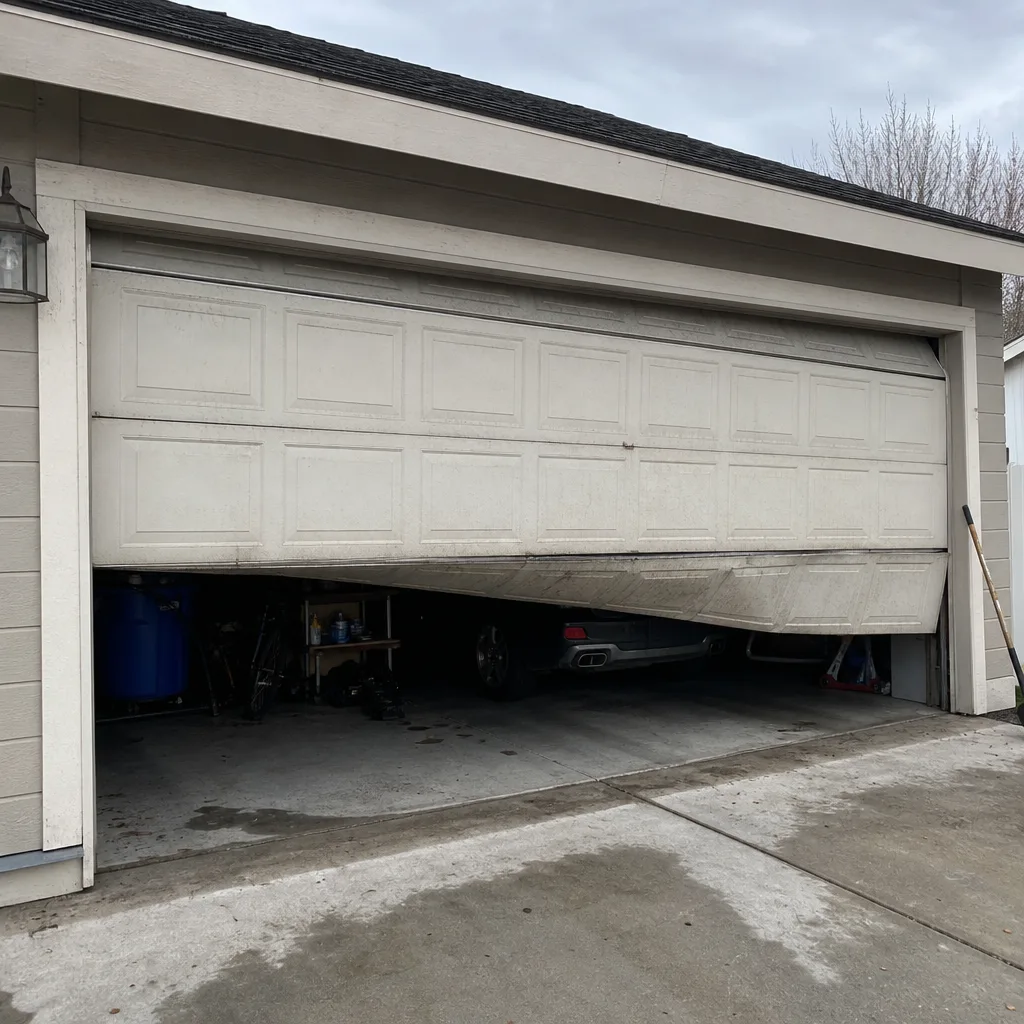 Before
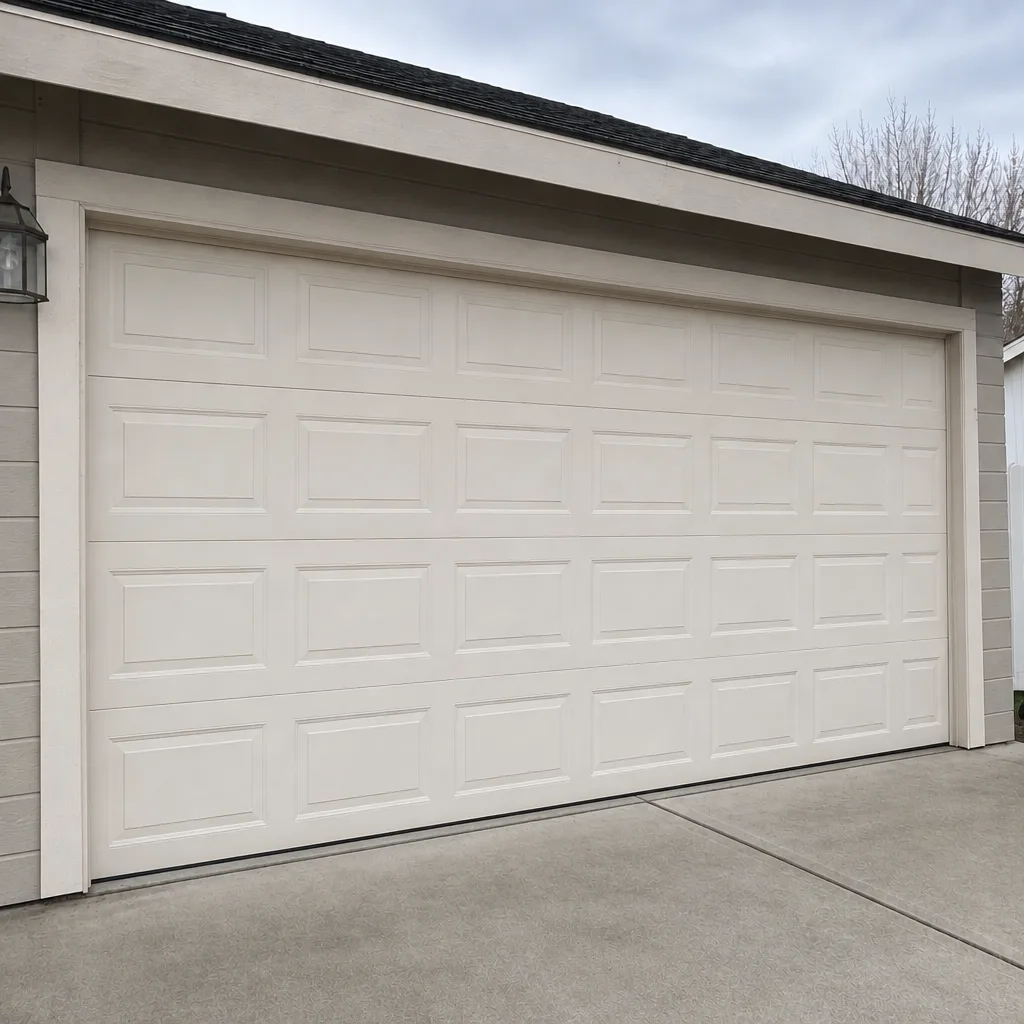 After
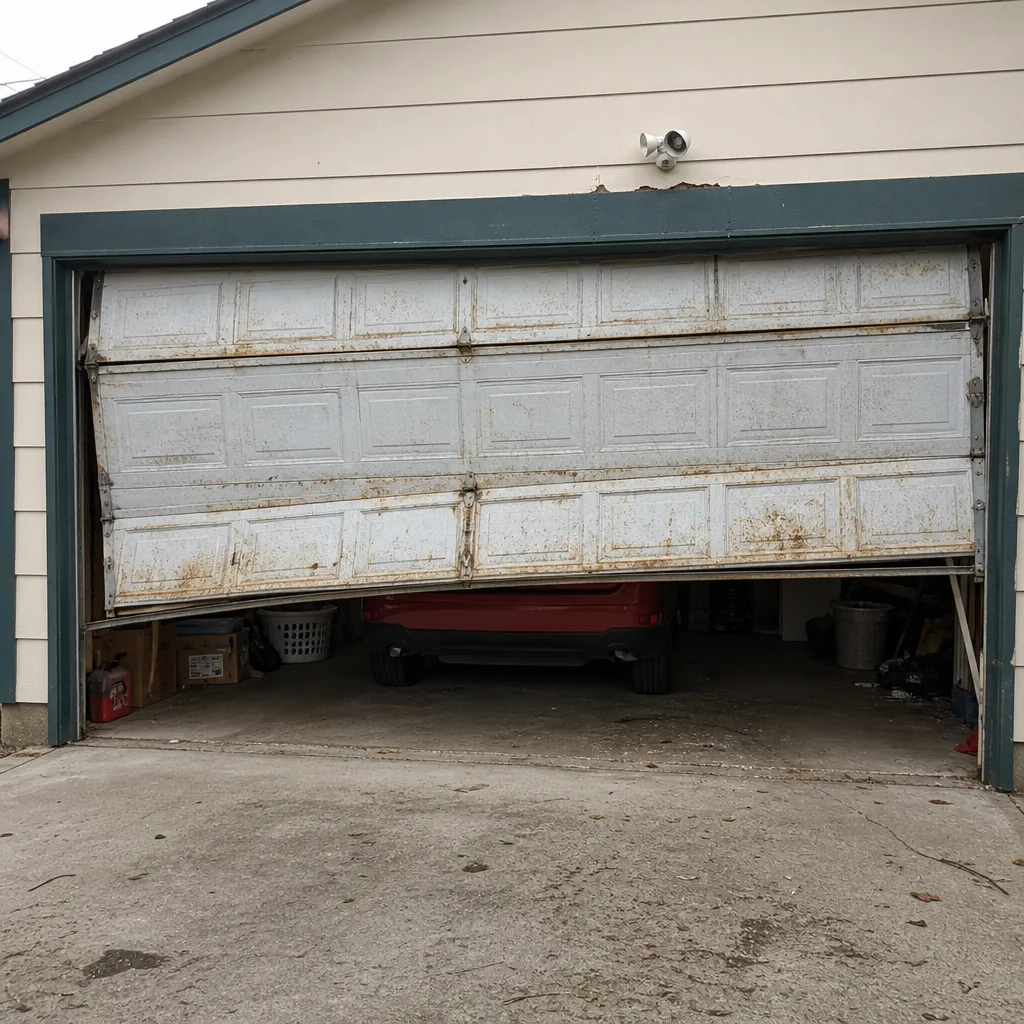 Before
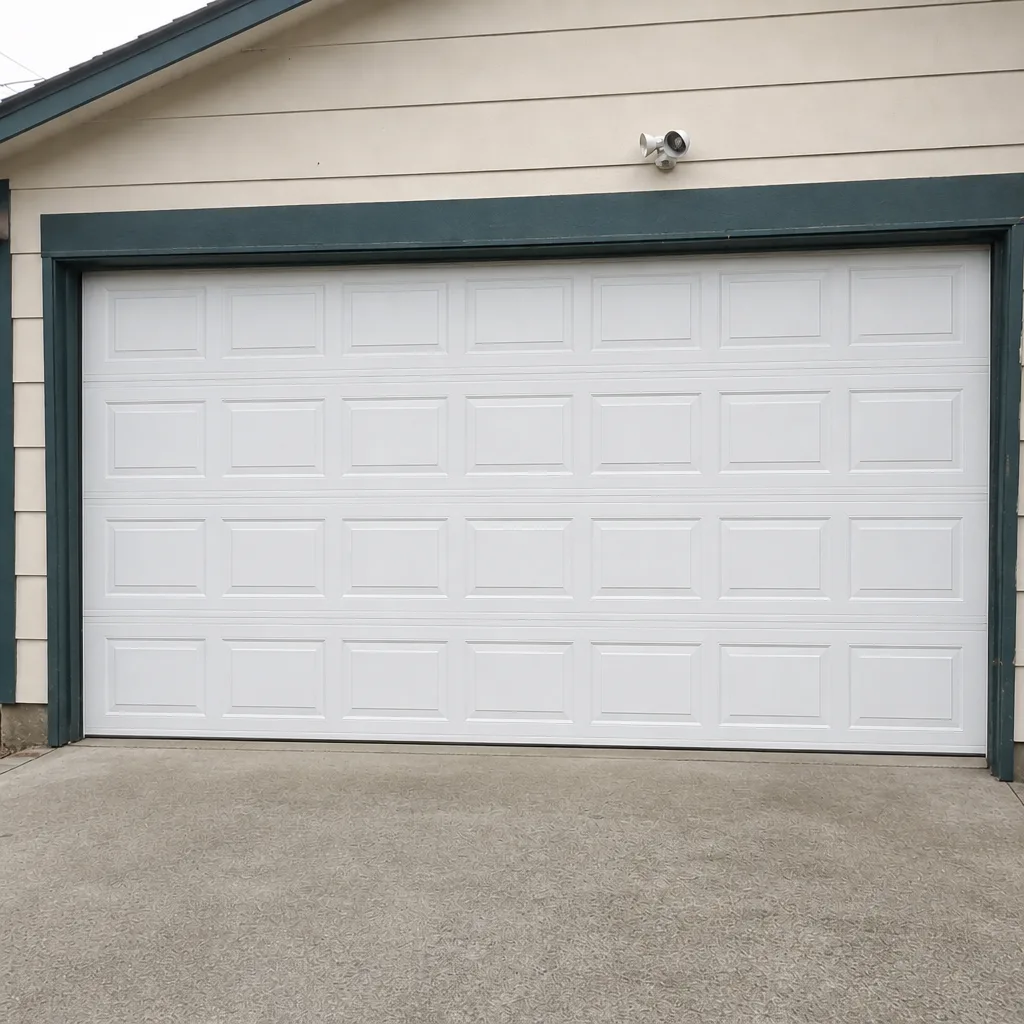 After
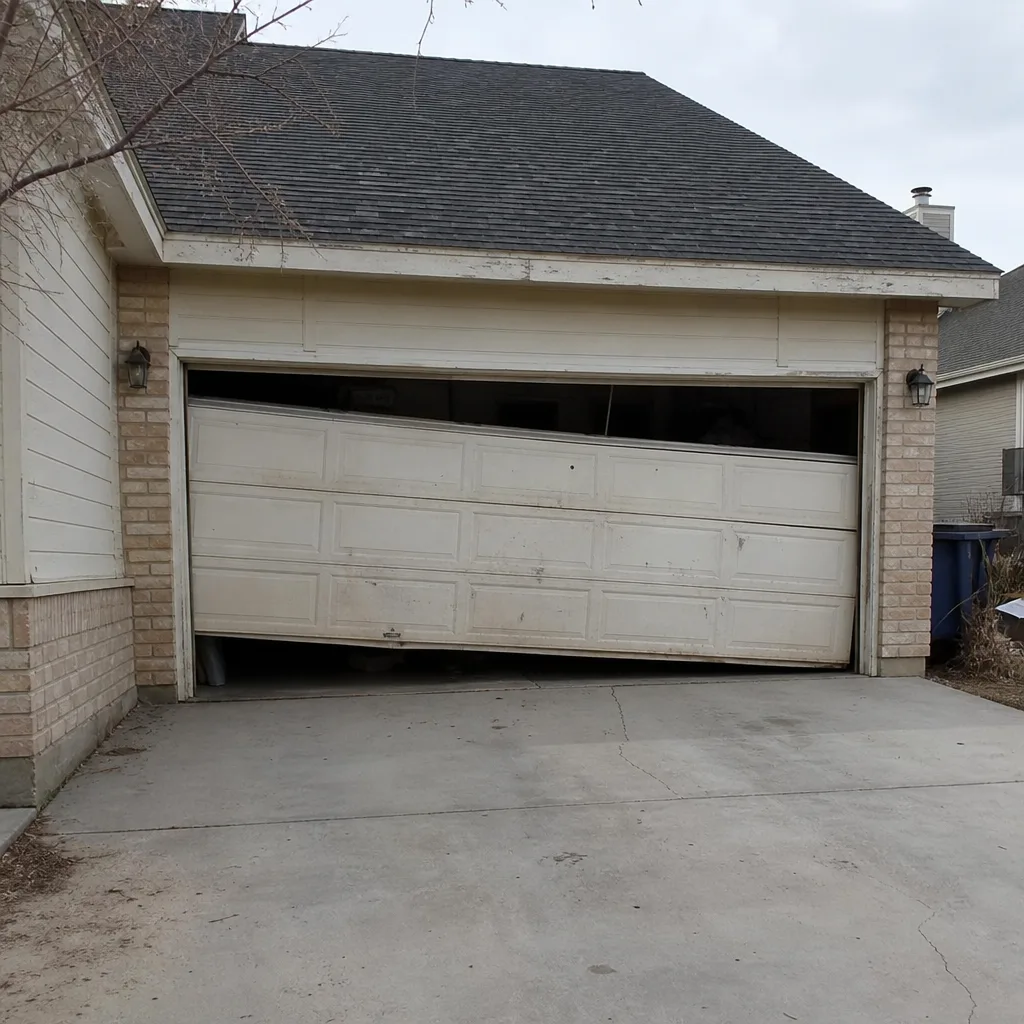 Before
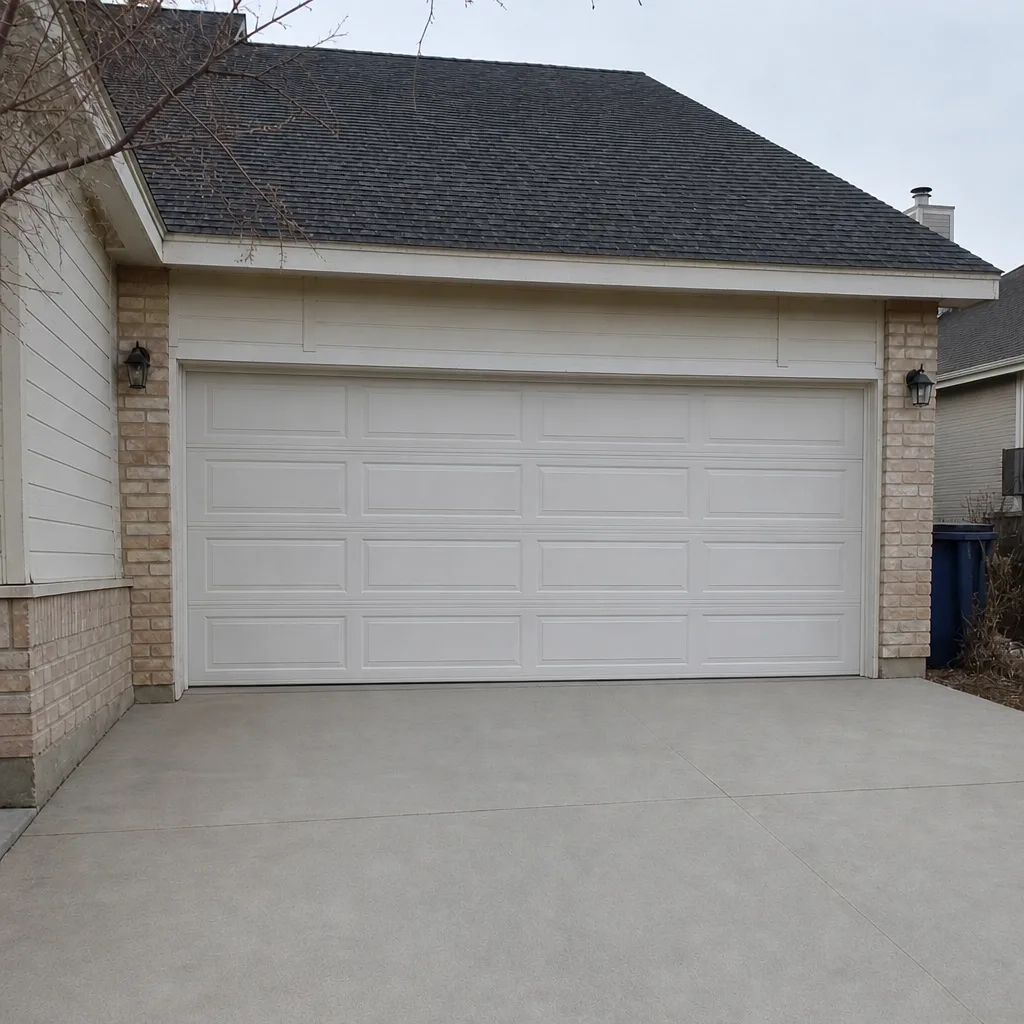 After
Frequently Asked Questions
There isn’t one universal winner – the best brand for a Meridian home is the one with local parts availability, a gauge that suits your use, and a finish that holds up to the valley’s UV. In our experience, brands with deep local distribution and solid finish systems make repair and replacement simpler over the life of the door. Call (833) 361-4641 for an exact quote – estimates are free.
Usually not much on a detached, unheated garage, because the cold comes through the walls and roof too. Insulation pays off most on attached garages used as workspaces or that are heated or cooled. Match the R-value to how the space is actually used.
Often yes, as long as the opener is rated for the door’s weight and height and the safety sensors and travel limits are dialed in properly. LiftMaster and Chamberlain are well supported locally in Meridian, which helps when a part or remote is needed. Call (833) 361-4641 and we’ll confirm compatibility before you buy.
Because the door you buy today is the door you’ll need a part for someday. In Meridian, brands stocked by local distributors repair quickly; brands without a local channel can mean special orders and longer downtime. That’s a brand decision as much as a repair one.
Usually less than it sounds, because lifetime terms are broken down by component: panels may be covered longest, while finish, hardware, and springs carry shorter windows. Read each part’s coverage before you buy, and ask whether it transfers if you sell the house.
Alkaline dust, intense summer UV, and hard freezes put a premium on sealed hardware, a strong factory finish, and construction that holds alignment through temperature swings. Brands built with those details last longer here. Call (833) 361-4641 – free estimates, and we answer 24/7.
The Bottom Line
Choosing a garage door brand in Meridian is really a fit question. Start with how you use the garage, then pick a gauge and finish that will survive the valley’s dust, sun, and freezes. Confirm the brand has a local parts channel so repairs don’t turn into weeks-long waits, and pair the door with an opener that’s matched to its weight and backed locally. Read the warranty by component, not by the headline. And get a written estimate before anything is ordered – the written estimate sets the final price. Do that, and you’ll buy once, keep the door aligned and quiet, and stop thinking about it.
Related Pages
If you’re weighing a new door, a repair, or a full replacement, our Meridian pages walk through the local picture in detail. Garage doors are the only trade we cover, so whether you need a fix, a diagnosis, or a brand recommendation for a door already on your house, one call covers the door, the hardware, and the opener.
To book a free estimate or ask a brand question, call (833) 361-4641. We answer 24/7. Fast dispatch from 7am to 7pm, Sunday through Friday, and we’re closed Saturday.
Written by the team at Highland Garage Door Repair.