
Last updated November 14, 2026
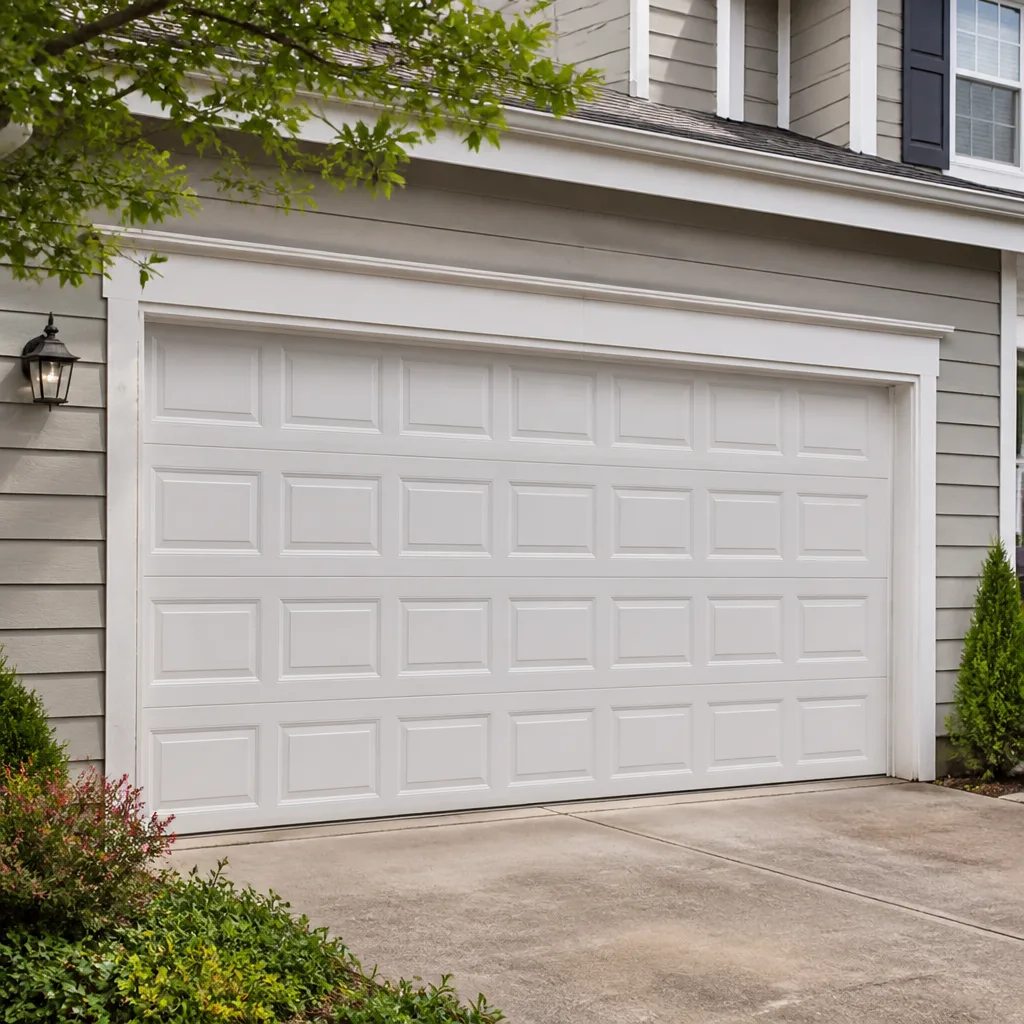 Raised-panel steel
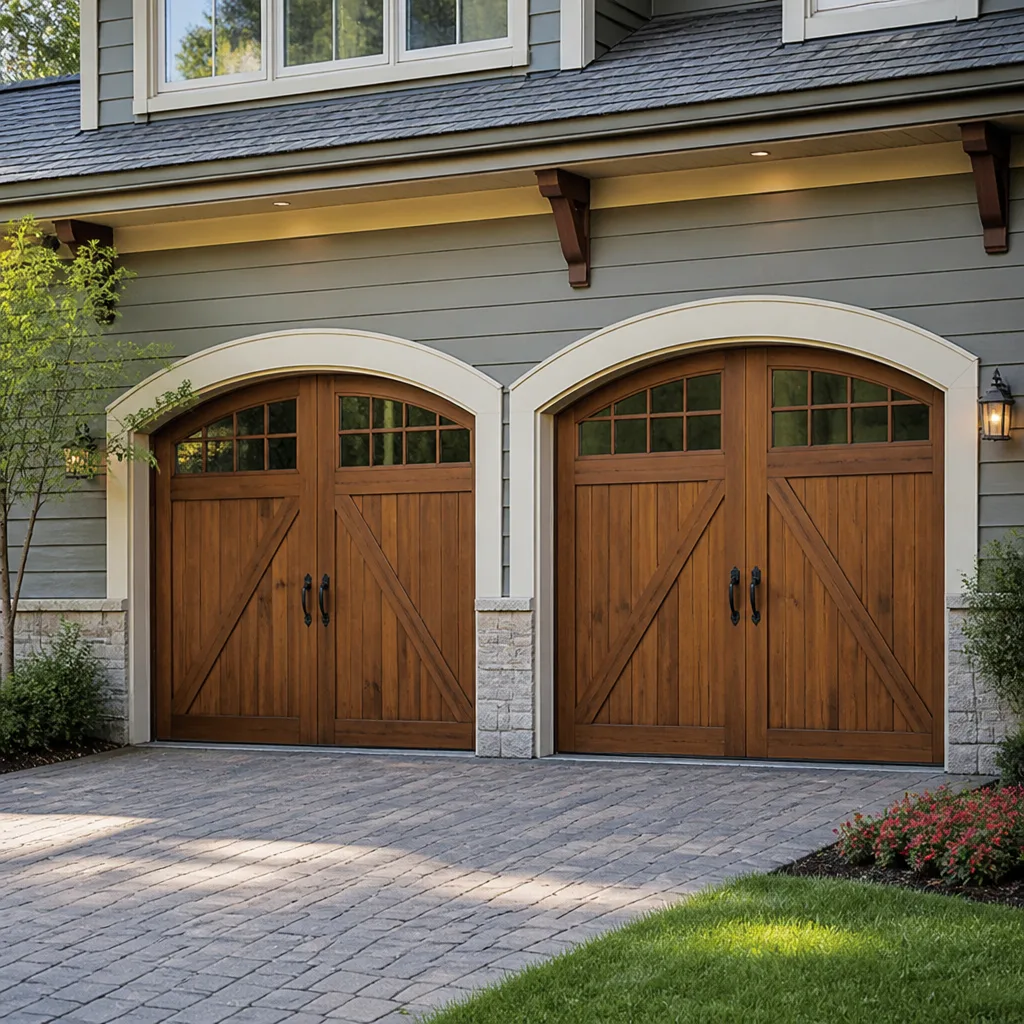 Carriage house
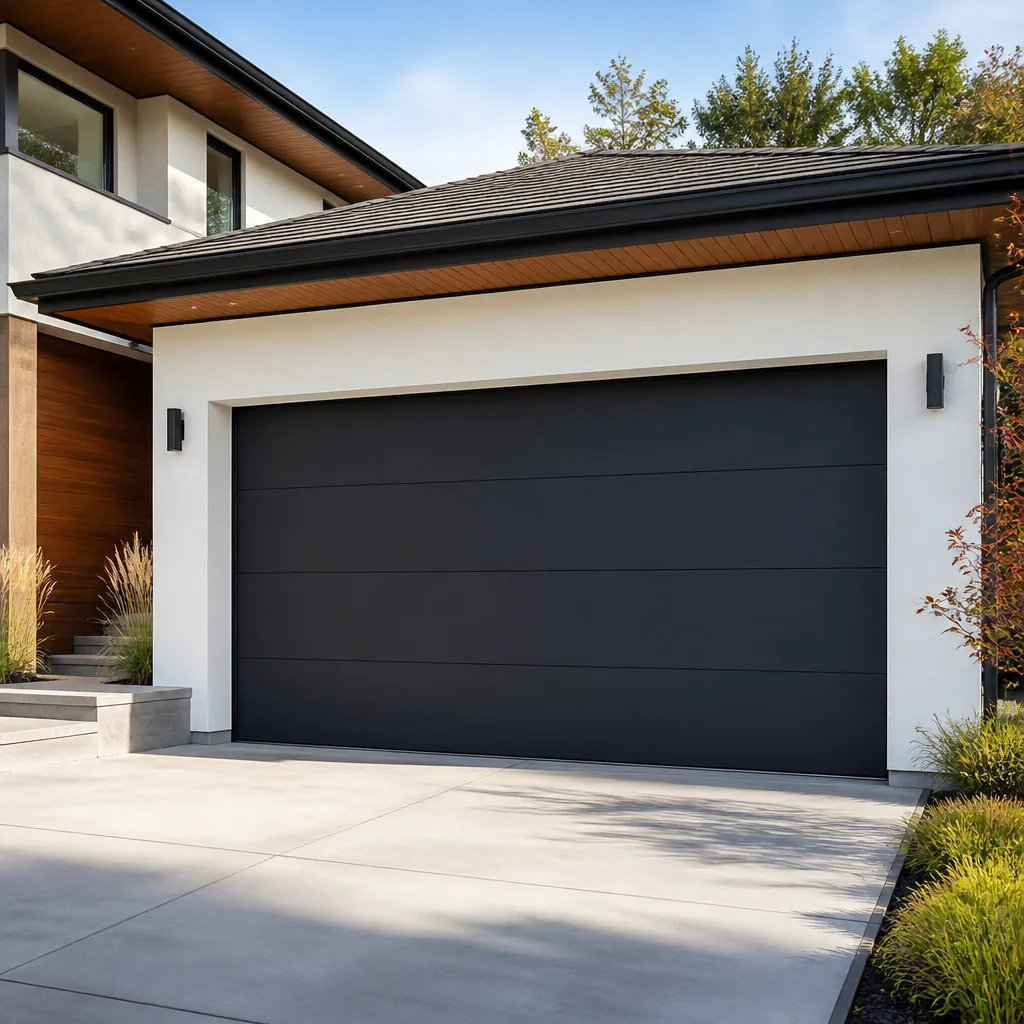 Modern flush
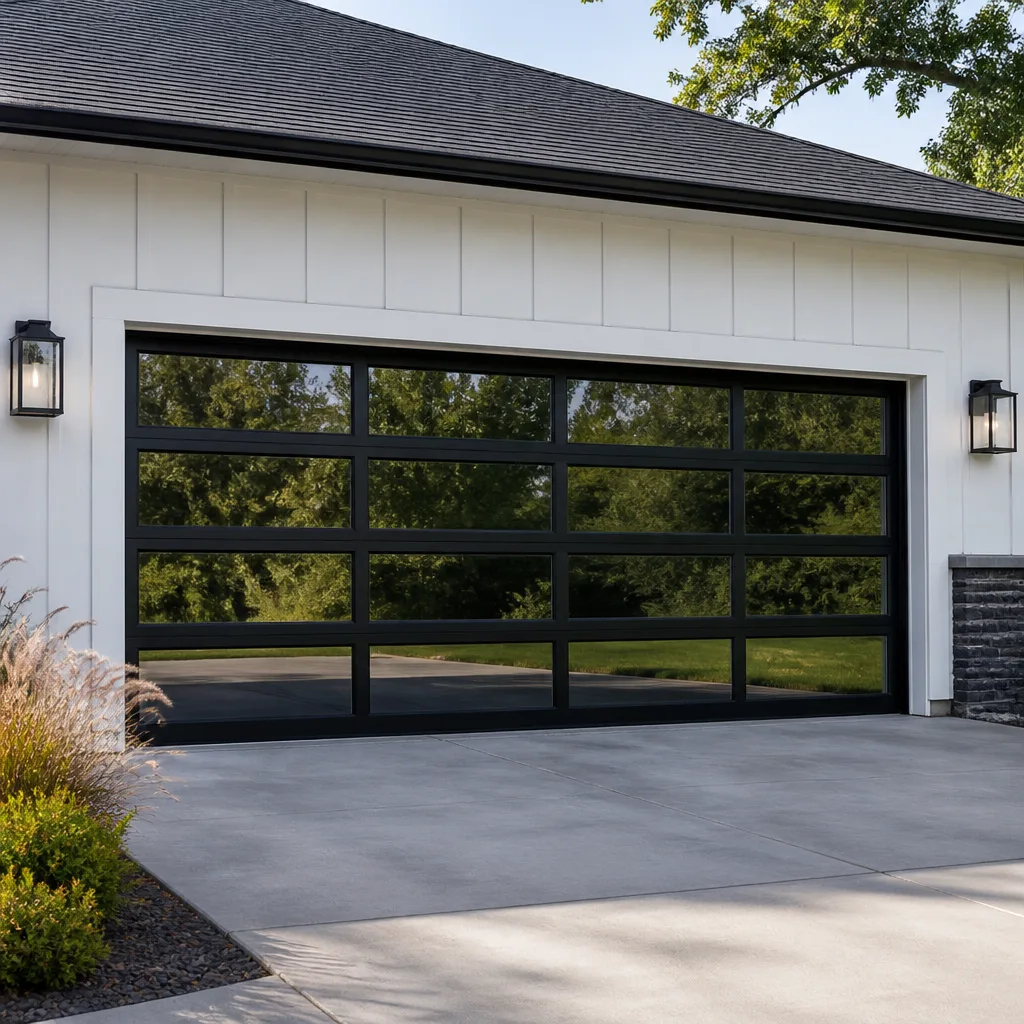 Full-view glass
 LiftMaster openers
 Chamberlain openers
Full 25-point door and opener safety check with every visit - springs, cables, rollers, tracks, and your LiftMaster or Chamberlain opener included
You get a price before we start. It does not change when the pro arrives.
Get your free estimateGarage Door Repair Troubleshooting in Meridian: Common Problems and How to Fix Them
A door that reverses before it reaches the floor and a door that won’t move at all look like two very different failures. Often they’re the same problem: a safety sensor knocked slightly out of line. That’s the part most homeowners miss when they start troubleshooting. They assume every symptom points to a different broken component, when in reality almost every garage door problem in Meridian traces back to one of three root causes – mechanical, electrical, or alignment. Once you know which category your symptom fits, you know whether you’re looking at a two-minute adjustment or something to leave to a trained technician. This guide walks you through that sorting process, explains why Meridian’s climate makes certain failures more common, and shows you the point where diagnosis should stop and a professional call should start.
Quick Answer
Most garage door problems come down to three root causes: mechanical failure (springs, cables, rollers, tracks), electrical failure (opener, remote, sensors, wiring), or alignment problems (safety sensors, track positioning, balance). You can safely test alignment and electrical issues yourself with the door closed and the opener disconnected. Anything involving torsion springs or cable tension is a stop sign – those parts are under extreme tension and belong to a trained technician, not a homeowner with a ladder.
Styles & brands we work with
- Raised-panel steel
- Carriage house
- Modern flush
- Full-view glass
- LiftMaster openers
- Chamberlain openers
Table of Contents
- The Three Root Causes Behind Nearly Every Garage Door Problem
- Symptom-to-Cause Matrix: Sort Your Problem Before You Touch Anything
- The Two-Part Safety Sensor Test That Solves Most “Door Won’t Close” Calls
- Why Meridian’s Temperature Swings Cause Garage Door Problems
- Mechanical Symptoms: Grinding, Uneven Movement, and the Spring Question
- Electrical Symptoms: When the Opener Is the Problem, Not the Door
- How to Document Your Symptoms Before You Call
- Where DIY Diagnosis Ends: The Stop Signs
The Three Root Causes Behind Nearly Every Garage Door Problem
Garage doors aren’t complicated machines, but they have a lot of moving parts working together under tension. When one fails, the symptom often shows up somewhere else – a door that moves unevenly might have a bad roller on one side and a slightly bent track on the other. That’s why sorting by root cause works better than chasing individual parts.
Mechanical failures involve the physical components that carry the door’s weight and guide it up and down: springs, cables, rollers, hinges, and tracks. These are the parts that wear out from use.
Electrical failures involve the opener system, the wall button, the remotes, the safety sensors, or the wiring that connects them. Modern openers from LiftMaster, Chamberlain, and Genie have circuit boards and logic that can fail in specific, diagnosable ways.
Alignment problems are the sneaky third category. The door might be mechanically sound and the opener perfectly functional, but a sensor bumped by a trash can or a track shifted by a temperature change will stop the whole system cold.
In our experience across Meridian, alignment and electrical issues account for the majority of “door won’t close” calls, while mechanical failures dominate the “door is loud or uneven” calls. Knowing which camp your symptom falls into saves you from guessing. If you’ve already isolated the problem and want it handled quickly, you can start with garage door repair and get a technician out to confirm the diagnosis.
Symptom-to-Cause Matrix: Sort Your Problem Before You Touch Anything
Use this matrix to match what you’re seeing to the likely root cause. Read the symptom descriptions carefully – small differences in how the door behaves point to very different fixes.
Mechanical Symptoms
- Loud grinding or scraping as the door moves – worn rollers, dry hinges, or a misaligned track
- Door moves unevenly, one side lags behind the other – stretched cable, broken spring, or a bent track section
- Door slams down instead of lowering smoothly – spring tension loss
- Door feels much heavier than usual when you lift it by hand (with the opener disconnected) – spring or cable failure
- A loud bang from the garage, followed by a door that won’t open – almost always a snapped torsion spring
Electrical Symptoms
- Opener hums but the door doesn’t move – stripped gear, failed capacitor, or the door is locked out mechanically
- Wall button works but remotes don’t – remote battery, programming, or a failed receiver board
- Door opens but won’t close, and the opener light flashes – safety sensor issue (see the sensor test below)
- Opener runs for a second then stops – travel limit setting, force setting, or a sensor problem
- Nothing happens at all – dead outlet, tripped breaker, unplugged opener, or a failed logic board
Alignment Symptoms
- Door reverses immediately after touching the floor – sensor misalignment or a travel limit set too short
- Door reverses partway down, sometimes at random heights – sensor lens dirty, sun glare hitting the sensor, or a loose mounting bracket
- One side of the door rubs the frame – track pushed out of plumb, often after a temperature swing
- Door stops and reverses after closing on something small – this is actually the safety reverse working correctly, but the sensitivity may need adjustment
If two or three symptoms overlap, start with the alignment category. It’s the safest to check, costs nothing, and resolves more calls than any other single diagnosis. If your door has an opener from Craftsman, LiftMaster, Chamberlain, or Genie, the indicator light on the sensor itself will usually tell you what’s wrong before you’ve touched anything.
The Two-Part Safety Sensor Test That Solves Most “Door Won’t Close” Calls
The safety sensors are two small units mounted near the floor on each side of the door opening. They shoot an invisible beam across the opening, and if anything interrupts it, the door reverses. They’re the single most common cause of a door that opens fine but refuses to close, and the test takes under two minutes with no tools.
Part One: The Block Test
- Stand inside the garage with the door open and the opener powered on.
- Press the wall button or remote to close the door.
- As the door starts to lower, wave your foot or a broom handle through the sensor beam near the floor.
- Watch what happens. The door should immediately reverse and go back up. If it does, the beam is intact and the sensors are communicating.
- If the door never starts closing at all, the sensors aren’t reading each other. Move to part two.
Part Two: The Indicator Light Read
Both sensors have a small LED indicator light on them. Get down on the floor and look at both.
- Both lights solid – sensors are aligned and communicating. If the door still won’t close, the problem is elsewhere (travel limits, force settings, or the opener logic board).
- One light solid, one light off or flickering – the sensors are out of alignment, dirty, or one has failed. Wipe both lenses with a soft cloth and check again.
- Both lights flickering or amber on one side – the receiving sensor is being interfered with, often by direct sunlight hitting the lens. This is common in Meridian on doors that face east or west.
If the lights still won’t cooperate after wiping the lenses, gently tighten the wing nut or screw holding each sensor and see if the light comes back solid. A sensor bumped by a garden hose or a bicycle is a five-second fix. A sensor that won’t align at all usually means a mounting bracket has bent or the wiring has a fault – at that point, a technician can trace it faster than you can. If the sensor test doesn’t solve it, calling for garage door opener repair gets someone out to confirm whether the sensor or the opener board is at fault.
Why Meridian’s Temperature Swings Cause Garage Door Problems
Meridian sits in a high desert valley, which means summers that push past 100 degrees and winters that regularly drop below freezing. That’s a wide swing, and metal responds to it. Steel tracks, springs, and cables all expand in the heat and contract in the cold. The result is that a door that worked perfectly in June can act up in January without a single part actually breaking.
Here’s what’s happening physically. In summer, the steel track expands and can push slightly out of plumb, especially if it was installed snug against a wall that also expands. The door then rubs on one side or moves unevenly. In winter, the same track contracts, and springs that were perfectly tensioned in warm weather become marginally stiffer as the metal gets cold. The opener has to work harder, and the force settings that were fine six months ago now trip the safety reverse.
The other factor is wind. Meridian gets strong seasonal wind, and garage door panels catch it. A door that rattles in the wind stresses its hinges and rollers faster than one that doesn’t. If you’ve noticed your door shaking in gusts, that’s a sign the hardware needs a check before it wears into something more expensive.
There’s also the issue of a door facing the afternoon sun. The sensors on a west-facing door can be blinded by direct sunlight in summer, causing the door to refuse to close in the late afternoon but work fine in the morning. That’s not a failing sensor – it’s a sensor that needs a sun shield or a slight repositioning. Knowing that saves a homeowner from replacing perfectly good sensors.
A door that only misbehaves in extreme weather is telling you something useful. It’s not a failing component. It’s an adjustment that needs to reflect the local climate. That’s the kind of thing a technician who works in Meridian every day learns to spot in minutes.
Mechanical Symptoms: Grinding, Uneven Movement, and the Spring Question
Mechanical problems are the ones you can usually hear before you can see them. A healthy garage door is quiet – you hear the opener hum, and that’s about it. Once you hear grinding, squealing, or a rhythmic thumping, a mechanical part is telling you it’s worn.
The most common mechanical culprits, roughly in order of how often we run into them:
- Rollers wear out and start to grind in the track. Steel rollers are noisier; nylon rollers are quieter but crack with age. Rollers are inexpensive and replacing them resolves most noise complaints.
- Hinges dry out and squeal. A few drops of garage door lubricant (not WD-40) on the hinge points usually quiets them.
- Cables can fray or slip off their drum. A cable that’s visibly frayed is a stop sign – it’s under extreme tension and can snap with serious force.
- Springs are the big one. Torsion springs (the horizontal ones on the shaft above the door) and extension springs (vertical, one per side) both carry the door’s weight. When one snaps, the door becomes extremely heavy and the opener can’t lift it safely.
- Tracks can bend, dent, or slip out of alignment. A track that’s visibly bent needs replacement, not bending back.
How Spring Problems Announce Themselves
A torsion spring failure usually starts with a loud bang. The door then becomes impossible to lift by hand, and the opener either strains and stops or runs without moving the door. Extension springs fail more gradually – a door that’s getting harder to lift over a few weeks is telling you tension is dropping.
This is the point in the guide where we stop and say it plainly: springs are dangerous. Both kinds of spring are under enormous stored tension. A torsion spring carries enough force to break bones if it releases unexpectedly, and spring work is not a homeowner job. The door can be tested safely, but the spring itself should only be touched by someone trained to handle it. We work on springs every day and we still treat them with the same caution every time. When a spring is the diagnosis, the right move is to call – not to look up a tutorial.
Electrical Symptoms: When the Opener Is the Problem, Not the Door
The opener is the brain of the system, and when it misbehaves, the door acts like it’s broken when the door itself is fine. Before you assume the opener has failed, there are three things worth checking.
1. Power and Reset
Check the outlet the opener is plugged into. Openers are usually on a dedicated circuit in the garage, and a tripped GFCI outlet will kill power to the whole system. If the outlet has a reset button, press it. If the opener has a battery backup (most modern Chamberlain and LiftMaster models do), the door may still operate but with reduced force, which can look like a failing opener.
2. The Wall Button and the Remotes
If the wall button works but the remotes don’t, the problem is almost always the remotes, not the opener. Try fresh batteries. If that doesn’t fix it, the remotes may need to be reprogrammed, which is usually a matter of pressing the learn button on the opener and then pressing the remote button within a few seconds.
If the remotes work but the wall button doesn’t, the wiring to the wall button or the button itself is the issue – a loose connection at the opener terminal is a common find.
3. The Opener’s Indicator Codes
Modern openers from Genie, LiftMaster, and Chamberlain use blinking light codes to tell you exactly what’s wrong. A pattern of, say, five flashes followed by a pause means one thing; a different pattern means another. Check the owner’s manual or the sticker inside the opener housing for the code chart. This is one of the fastest diagnostic tools available, and a technician will read the code first thing when they arrive.
If the opener hums but doesn’t move, the internal gear is often stripped. That’s a repair, not a replacement, though on older openers the math sometimes favors a new unit. If the opener runs and the door moves a few inches and stops, the travel limit or force setting needs adjusting, or a sensor is interfering.
How to Document Your Symptoms Before You Call
This is the part most homeowners skip, and it’s the part that actually saves money. A technician who arrives knowing the exact sequence of what happened will diagnose faster than one who has to run a full round of tests from scratch. That translates to fewer labor hours on the invoice.
Before you call, do three things:
- Record a short video on your phone. Start recording before you press the button or remote. Capture the door’s movement, the sound of the opener, and the light pattern on the safety sensors. Fifteen seconds of video is worth more than a paragraph of description.
- Write down the exact sequence. What did you press? What happened first, second, third? Did the door reverse? Did the opener light flash? How many times? Did you hear anything before the door stopped working?
- Note the conditions. Was it the first cycle of the morning? The last of the evening? A very hot or very cold day? Had you recently had rain, snow, or high wind? Has anything changed recently – a new remote, a new sensor, a ladder leaned against the track?
Include the make and model of your opener if you can find it. The sticker is usually inside the opener motor housing or on the back panel. If you have a Clopay, Amarr, or Wayne Dalton door and a modern LiftMaster opener, let us know – we work on those systems regularly and know exactly where they tend to fail. Accurate brand and model information cuts the diagnosis down to minutes. When a homeowner calls Highland Garage Door Repair with a video ready, the conversation often resolves the problem before anyone has to open a toolbox.
Where DIY Diagnosis Ends: The Stop Signs
Some problems are safe to diagnose and fix yourself. Others are not, and no guide should pretend otherwise. Here’s the clear line.
Safe to Check Yourself
- Sensor alignment and indicator lights
- Remote batteries and reprogramming
- Break or GFCI reset on the opener outlet
- Visual inspection of tracks, rollers, and hinges (look, don’t touch)
- Lubrication of hinges and rollers with garage door lubricant
- Testing the door’s balance with the opener disconnected
Stop Signs: Call a Professional
- Any spring work. Torsion springs are under extreme tension and can cause serious injury. A wound torsion spring stores enough energy to break bones. Do not attempt to adjust, loosen, or replace them yourself.
- Any cable work. Cables are under the same tension as springs. A frayed cable can snap. If a cable looks damaged, call immediately and don’t operate the door.
- Anything electrical beyond the outlet. Opener circuit boards, capacitor replacement, and wiring inside the opener housing require the power to be off and the right tools.
- A door that’s come off its tracks. A door hanging off a track can fall. Don’t try to push it back on.
- A track that’s bent or pulled away from the wall. Track straightening can be a band-aid that fails at the worst moment, and it needs to be assessed before operation resumes.
The stop-signs list isn’t about gatekeeping. It’s about the fact that a garage door is a heavy mechanical system that can hurt you. The two-part sensor test above is safe for anyone. Spring and cable work is where the line is drawn, and it’s not negotiable. A trained technician knows how to release spring tension safely, and that’s a skill worth paying for once rather than learning about the hard way.
Common Mistakes to Avoid
- Pushing the door open or closed by hand to force it past a stuck point. This can bend the track, break a roller, or snap a cable. If the door won’t move, find out why rather than shoving it.
- Spraying WD-40 on the springs, rollers, or track. WD-40 is a solvent, not a lubricant. It strips the factory lubricant and attracts dust. Use a proper garage door lubricant on hinges and rollers, and leave the springs alone entirely.
- Adjusting the force setting on the opener to make the door close when it’s reversing. If the door reverses, something is wrong. Turning up the force masks the problem and can damage the opener, the door, or both. In Meridian’s temperature swings, a door that suddenly needs more force is telling you something changed – find out what.
- Replacing the opener when the door itself is the problem. An opener that strains and stops is often working correctly against a door that’s out of balance or dragging. Replacing the opener doesn’t fix the door, and you’ll spend the money twice.
- Ignoring a bent track because the door still works. A bent track forces rollers to grind, which wears the rollers and eventually the door. It’s a cheap fix when caught early and an expensive one when ignored.
- Trying to straighten a bent track yourself. Track alignment is more precise than it looks, and a track that’s been “straightened” by hand is often worse than one that was left alone. If you can see a bend, call.
- Watching a video tutorial and deciding to replace a spring. We understand the temptation, and we’ll say it plainly: the videos are real, and so are the emergency room visits. This is the one repair we’ll always recommend against for homeowners.
If you’ve made one of these mistakes and the door is now worse, don’t panic. Most of these are recoverable by a technician. Just stop operating the door and describe what happened when you call – the details help the technician know what to expect on arrival.
See the difference
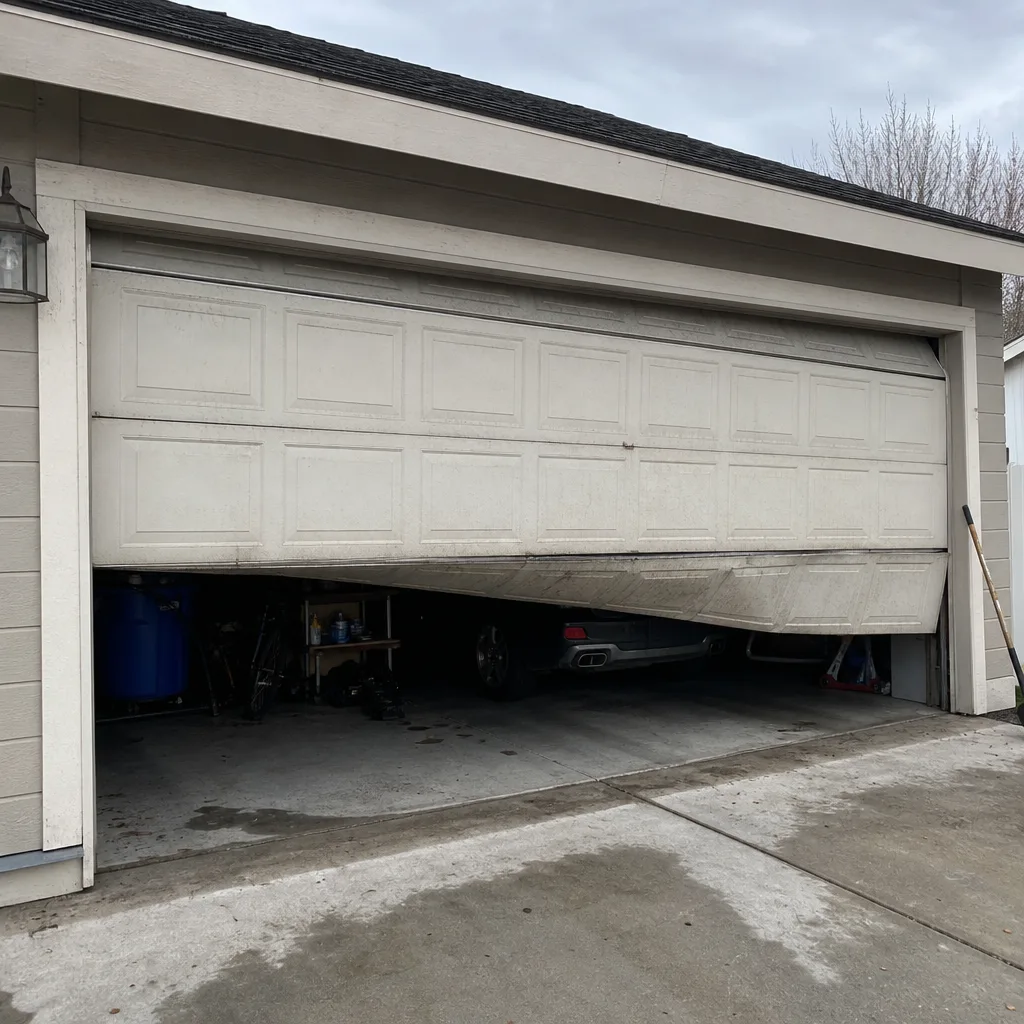 Before
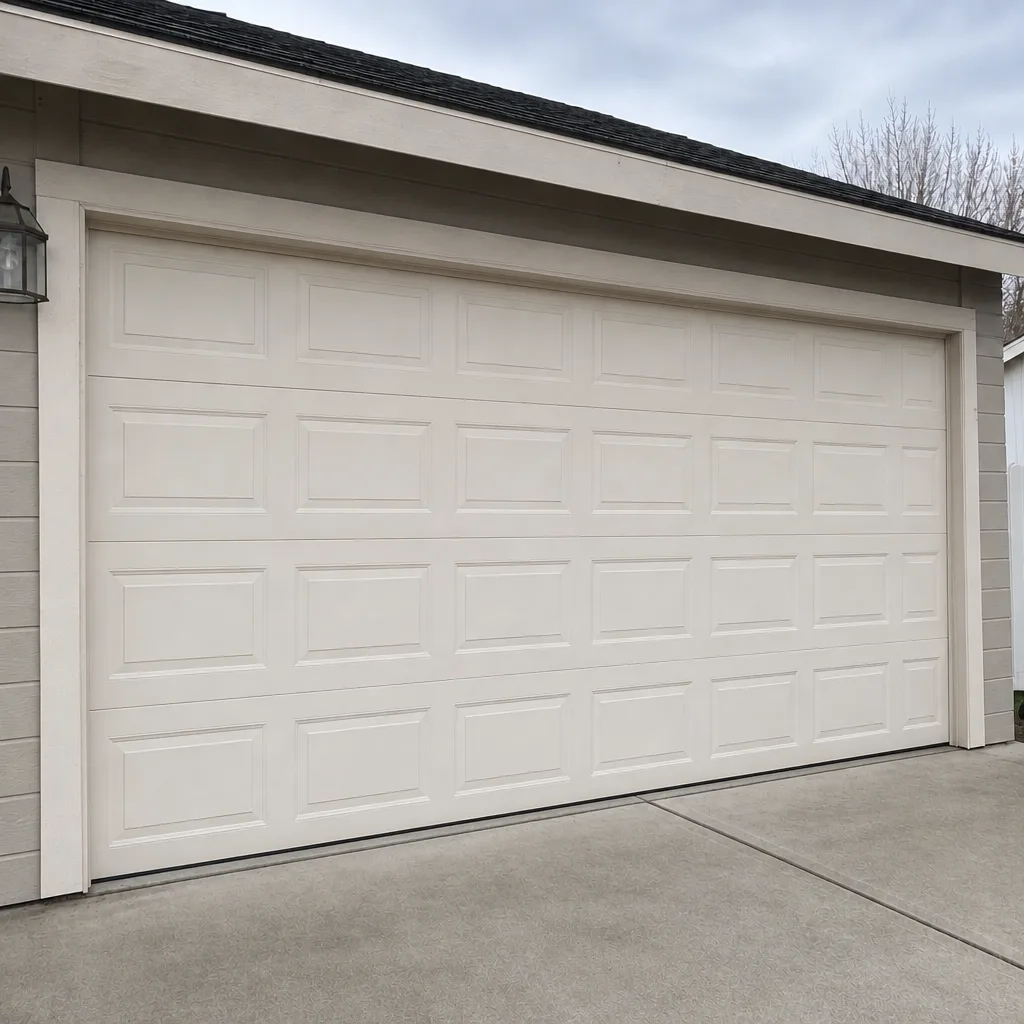 After
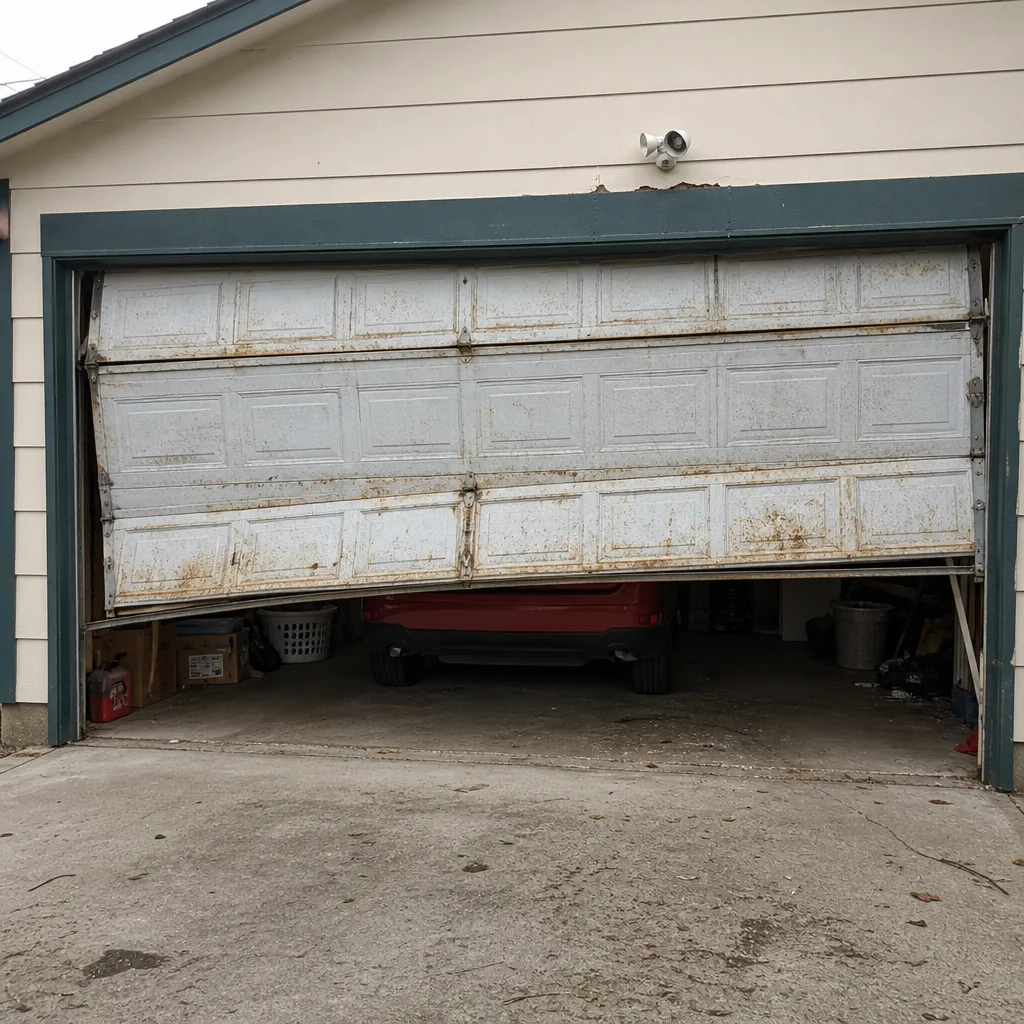 Before
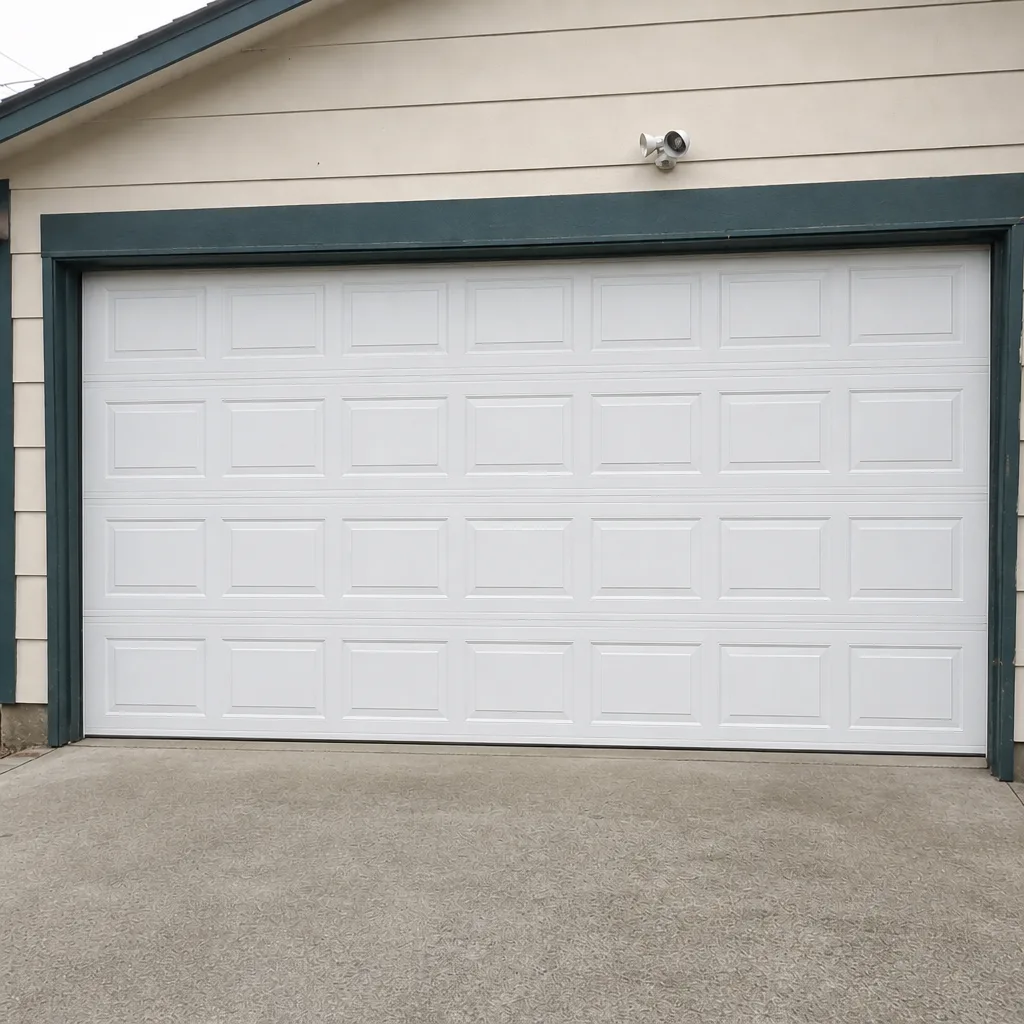 After
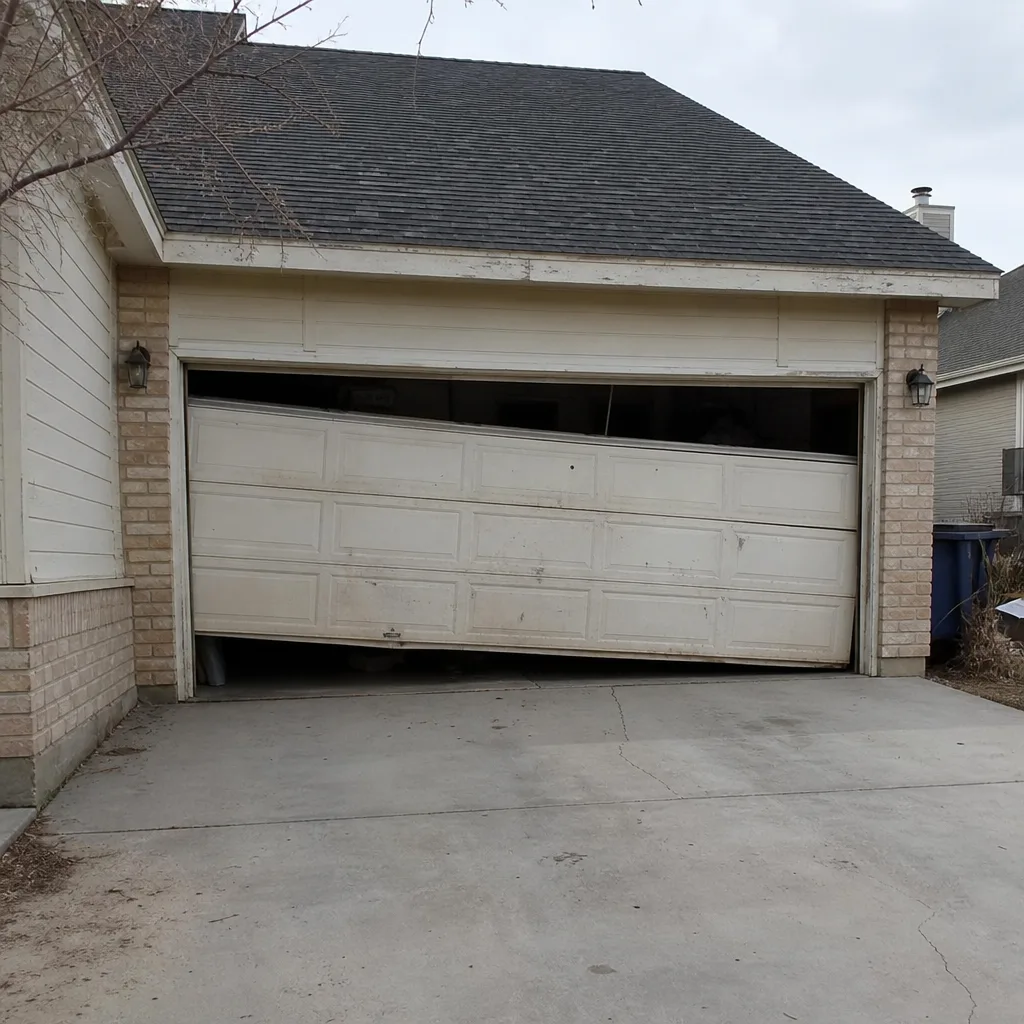 Before
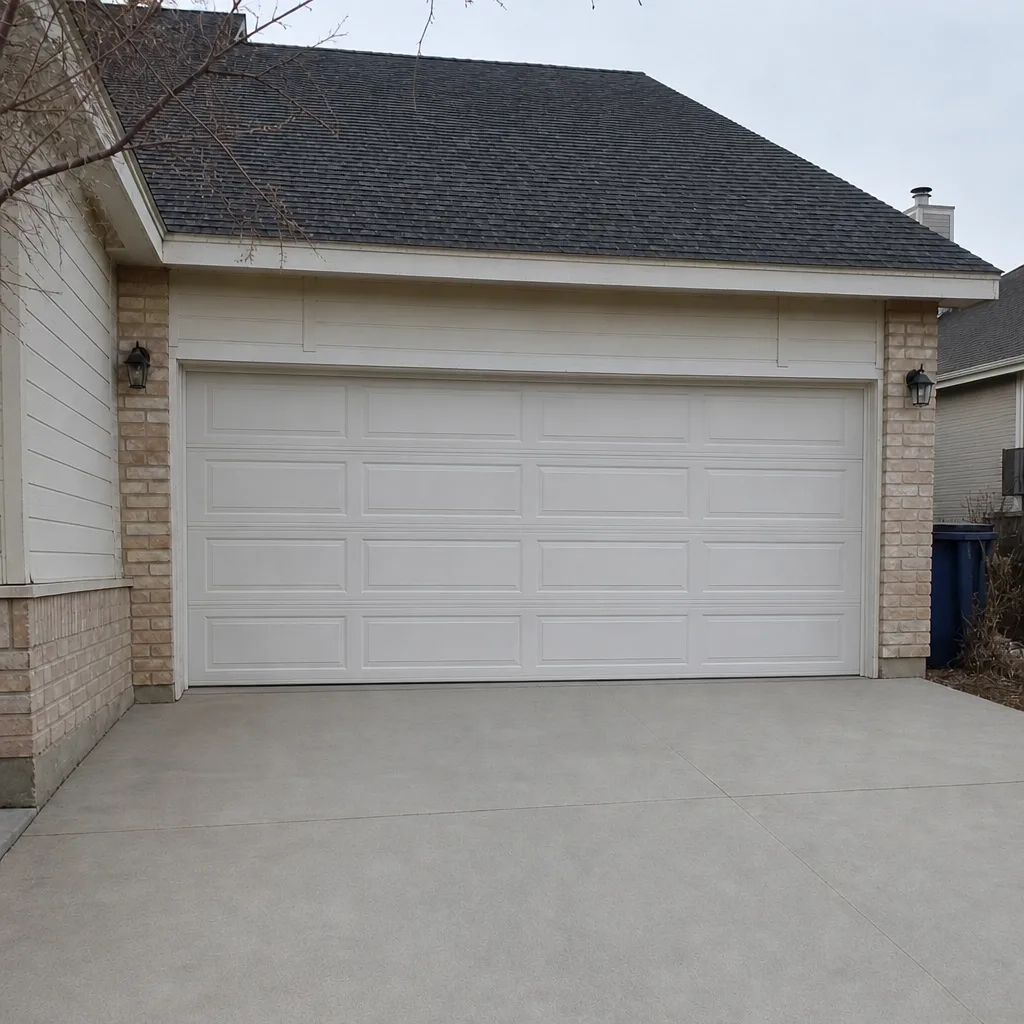 After
When to Call a Professional
Call a technician when the symptom falls into the mechanical category and involves a spring or cable, when the door has come off its tracks, when the opener has a problem the manual’s codes can’t resolve, or when a symptom you’ve tried to fix keeps coming back. Also call if the door has become noticeably harder to lift, if it moves unevenly, or if it makes a sound it didn’t make last week. These are all signals that a component is on its way out, and catching them early is cheaper than waiting for a failure.
If you’ve been through the sensor test and the door still won’t close, that’s a call too. You’ve done the safe part of the troubleshooting. The next step needs hands and the right tools.
Highland Garage Door Repair offers free estimates in Meridian – call (833) 361-4641. We answer 24/7, and crews are dispatched Sunday through Friday, 7am to 7pm. Our technicians have up to 15 years of experience, and garage doors are all we do. Whether it’s a snapped spring or a smart opener that won’t respond, we’ve diagnosed it before.
Frequently Asked Questions
In most cases, the safety sensors are misaligned, dirty, or a sensor is out of the beam’s line. Run the two-part sensor test: block the beam and see if the door reverses, then check the indicator lights on both sensors. If one light is off or flickering, clean the lenses and check the mounting brackets. If the sensors are fine, the travel limit needs adjusting. Call (833) 361-4641 for an exact quote if the fix isn’t obvious – estimates are free.
No. Torsion springs are under extreme tension and can cause serious injury if they release unexpectedly, which is why we never recommend homeowners attempt spring repair. Extension springs carry the same risk. If you suspect a spring problem – a loud bang, a door that won’t lift, or a door that slams – stop operating the door and call a professional. Call (833) 361-4641 for a free estimate.
Cold contracts the metal track and stiffens the springs, which can throw off balance, force settings, and alignment that worked fine in warm weather. A door that misbehaves only in the cold is usually asking for an adjustment, not a replacement. If the door also gets harder to lift by hand, the springs need a technician’s assessment. Call (833) 361-4641 for a free estimate.
We set the price per job by written estimate, quoted and agreed before any work starts. The written quote is the price, and it doesn’t change after the technician sees the door unless you approve additional work. Call (833) 361-4641 for an exact quote – estimates are free.
It depends on the diagnosis. Sensor alignment, remote reprogramming, and travel limit adjustments often take under 30 minutes. Roller and hinge replacements usually take an hour or two. Spring, cable, and opener board repairs take longer because the door has to be secured and rebalanced before it’s operated again. Same-day service is available, and we answer 24/7 so you can call as soon as you notice a problem.
Yes, same-day service is often available for repair calls. We answer 24/7, and crews are dispatched Sunday through Friday, 7am to 7pm. If your call comes in outside dispatch hours, we’ll book you into the next opening. Call (833) 361-4641 for a free estimate.
The Bottom Line
Most garage door problems in Meridian fall into three camps: mechanical, electrical, or alignment. Sorting your symptom into the right camp is the single fastest way to know whether you’re looking at a quick fix or a call to a professional. The sensor test alone resolves a large share of “door won’t close” problems with no tools and no risk. Meridian’s temperature swings explain a lot of seasonal misbehavior – doors that work in summer and fail in winter are usually asking for an adjustment, not a replacement. And the stop signs are real: springs and cables belong to a trained technician, every time. If your situation isn’t sorted out after the safe checks, Highland Garage Door Repair is here to help. Call (833) 361-4641 for a free estimate.
Written by the team at Highland Garage Door Repair.