
Last updated November 14, 2026
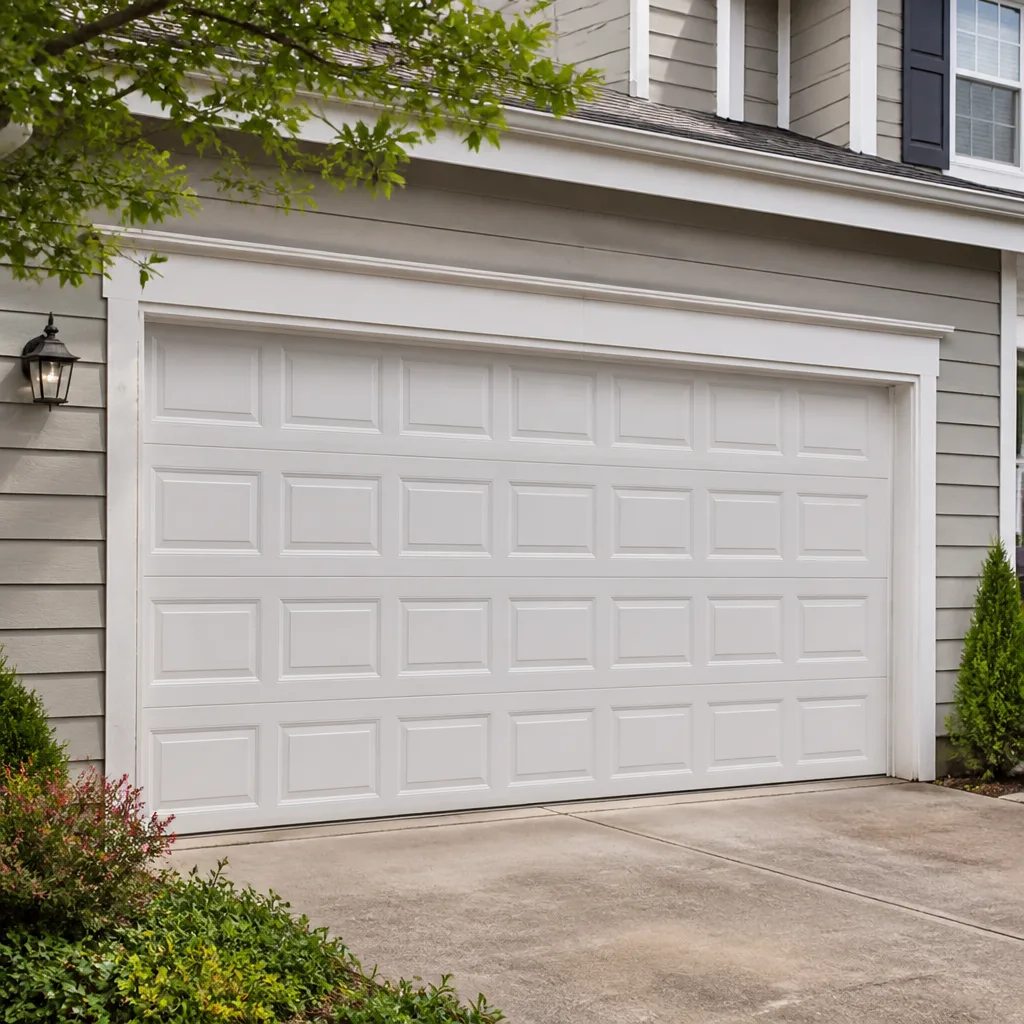 Raised-panel steel
 Carriage house
 Modern flush
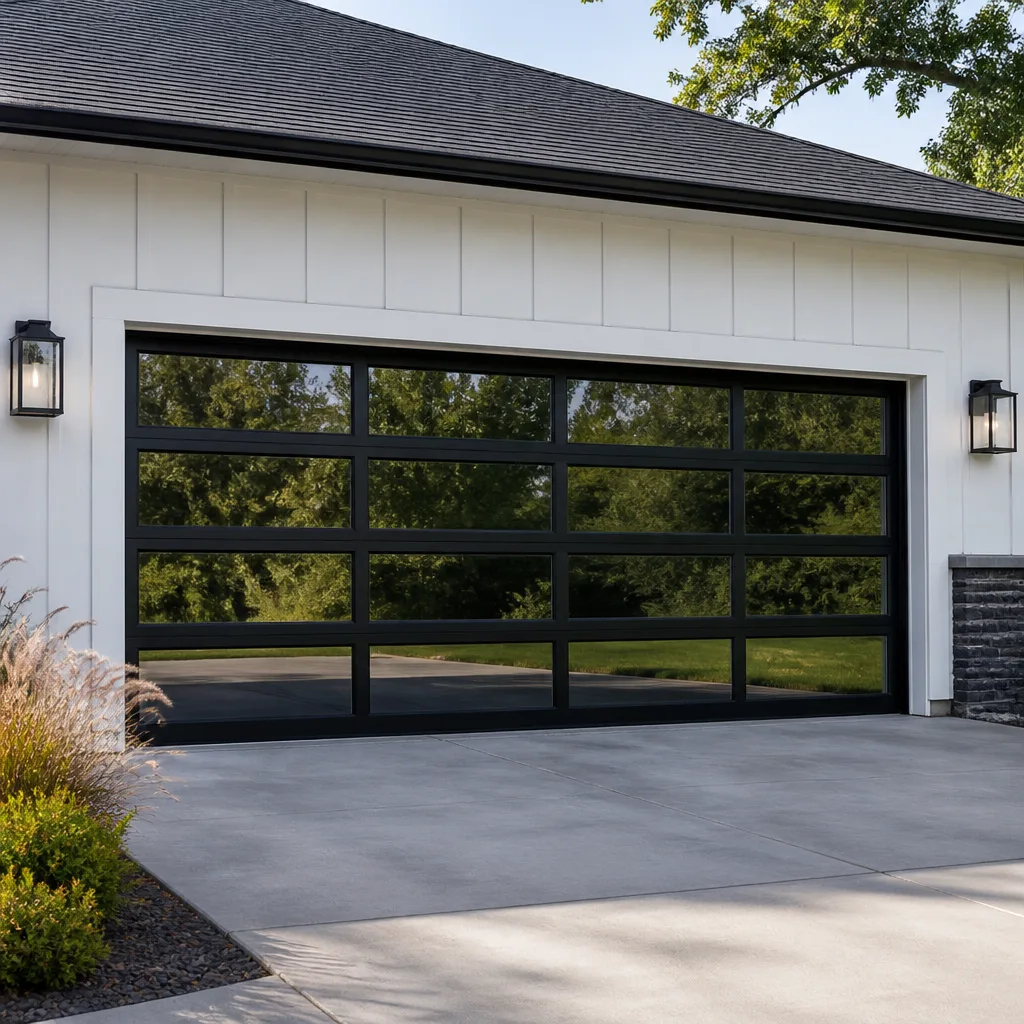 Full-view glass
 LiftMaster openers
 Chamberlain openers
Full 25-point door and opener safety check with every visit - springs, cables, rollers, tracks, and your LiftMaster or Chamberlain opener included
You get a price before we start. It does not change when the pro arrives.
Get your free estimateGarage Door Warning Signs: A Meridian Homeowner’s Reference Guide
Most garage door warning signs guides describe end-stage failures: the snapped spring, the door hanging crooked, the opener that finally gives out. By that point, the repair is already expensive. In our experience, the signals that matter most show up weeks or months earlier, when the door hesitates for half a second before rising, when a pop sounds once and then stops, when a cable starts to look a little fuzzy. Those early clues are the repair window. Read them right, and a modest fix stays modest. Ignore them, and a small problem compounds into a larger one. This guide maps the subtle signs to their mechanical causes, shows you how to check your door safely, and gives you a clear severity framework: what to schedule this week, what to stop using immediately, and what’s safe to monitor.
Quick Answer
The main garage door warning signs are a door that hesitates or jerks before moving (usually a worn spring or worn rollers), grinding or popping sounds (dry or failing bearings and hinges), a door that reverses before closing (opener sensor or track issue), and visible damage to springs or cables (imminent failure). In Meridian, most of these signal a mechanical problem that’s cheaper to repair early than after a failure. If you see a frayed cable or a stretched spring, stop using the door today and call a specialist.
Styles & brands we work with
- Raised-panel steel
- Carriage house
- Modern flush
- Full-view glass
- LiftMaster openers
- Chamberlain openers
Table of Contents
- The Four Signals a Hesitating Door Is Sending
- What Each Sound Tells You (and Which Are Benign)
- Visual Signs on Springs and Cables You Can Check Safely
- Opener Problem or Door Problem? How to Tell Them Apart
- The 10-Second Balance Test
- The Severity Framework: This Week, Today, or Monitor
- Why Meridian Doors Show These Signs Differently
- Simple Habits That Delay the Big Repair
The Four Signals a Hesitating Door Is Sending
A door that hesitates or jerks before it moves isn’t “just getting old.” That half-second of resistance points to one of four specific mechanical problems, each with its own repair path. Identifying which one you’re seeing is the difference between a quick fix and an unnecessary replacement.
The four likely causes:
- A weakening torsion spring. The spring carries most of the door’s weight. As it loses tension, the opener has to work harder for that first inch of travel, so you feel a lag. This is the most common cause of hesitation on heavier doors.
- Worn rollers. Nylon or steel rollers flatten over time and stop rolling smoothly in the track. You’ll feel a stutter rather than a lag, often at the same point in the door’s travel every time.
- Dry or worn bearings and hinges. Metal-on-metal friction builds up gradually and produces a stiff, sticky start that eases once the door is moving.
- An opener struggling against a misaligned track. If the door binds in the track, the opener compensates briefly before the resistance trips its safety reversal. This one looks like hesitation but is really a track problem.
Here’s why the order matters. A weak spring that’s caught early can sometimes be adjusted or replaced on its own, and the door is back to normal. Left too long, that same weak spring puts extra strain on the opener, the cables, and the tracks, and you end up replacing more than the spring. In Meridian, where doors sit through hot summers and cold winters, springs cycle through wide temperature swings, which is exactly the kind of cycling that wears tension. When we look at a hesitating door, the first thing we check is the spring tension, not the opener, because the door leads and the opener follows. Diagnosing it in that order saves customers from paying for an opener they didn’t need.
What Each Sound Tells You (and Which Are Benign)
Garage doors make sounds. Not all of them are problems. The trick is knowing which noise signals a mechanical failure and which is just normal operation. Here’s the mapping we use every day.
- Grinding – usually dry or failing bearings, or a roller that’s seized and dragging through the track. Grinding is worth checking soon, because seized hardware scrapes the track and can lead to a full track replacement.
- Popping – often a torsion spring that’s slipped or a cable that’s jumped its drum. A single pop followed by normal operation can mean something shifted; repeated popping means the spring or cable is under uneven load. This one is a stop-and-inspect sound.
- Scraping – the door panel dragging on the frame or a bent track section. It wears the door edge and can mean the door is out of alignment.
- Rattling – loose hinges, bolts, or a slightly loose panel. Rattling is usually the most benign of the group and the cheapest to resolve with a tightening pass.
- A dull thud at the top or bottom of travel – the door hitting its limits hard because the opener’s travel limits are set too far. It’s benign once adjusted.
- A quiet hum with no movement – the opener motor runs but the door doesn’t move. That’s a stripped gear or a broken drive in the opener, not a door-mechanics problem.
Two of these belong together: grinding and popping. Grinding is gradual wear; popping is a sudden shift. If you hear both, the wear has probably reached the point where something slipped. Scraping and rattling are the pair you can live with briefly while you schedule a repair. That leaves the thud and the hum, which are minor adjustments rather than failures. In our experience across Clopay and Wayne Dalton doors, the sound is often the first clue a homeowner has, before they ever see a problem, so treating sound as a diagnostic tool rather than background noise pays off.
Visual Signs on Springs and Cables You Can Check Safely
You can assess your springs and cables from a safe distance, standing on the floor with the door closed and the opener disconnected from any movement. Do not touch the springs or cables, and do not try to adjust them. High-tension springs and cables store enormous energy and can cause serious injury if handled without the right tools and training. This section is about looking, not doing.
What to look for, from the floor:
- A visible gap in a torsion spring. A torsion spring is the coil mounted horizontally above the door. A clean gap anywhere along the coil means the spring has broken. That’s an immediate stop-use sign.
- A stretched or uneven extension spring. Extension springs run along the sides. If one looks noticeably longer or looser than the other, it’s lost tension or is close to failing.
- Frayed or kinked cables. The cables are the thin steel lines running from the bottom corners up to the drums. Fuzzing, a kink, or a strand sticking out means the cable is compromised and could snap.
- Springs that look rusty or corroded at the coils. Corrosion weakens the wire, and a weakened spring is a spring that’s closer to breaking. Meridian’s dry climate slows rust compared to wetter regions, but irrigation overspray and humid garages still push it along.
- Drums with cable wound unevenly or overlapped. Uneven winding puts side load on the spring and cable and is a sign something has shifted.
If you see any of the first three, stop using the door and call a specialist. If you see the last two, schedule a visit soon. A door with a compromised spring or cable is not something to “watch for a while,” because failure can happen mid-cycle with the door partway up. That’s when a repair becomes an emergency, and when an inexpensive fix can turn into damage to the door, the opener, or whatever’s parked underneath.
Opener Problem or Door Problem? How to Tell Them Apart
Misdiagnosing an opener problem as a door problem, or the reverse, is how homeowners end up replacing the wrong component. A new opener on a door with a failing spring won’t fix the door, and a new spring won’t fix an opener with a stripped gear. There’s a simple test that separates the two.
The manual-release test:
- With the door fully closed, pull the manual release cord (usually a red handle hanging from the opener rail). This disconnects the opener from the door.
- Lift the door by hand about halfway, then let go. A healthy door holds its position or drifts only slightly. A door that drops or feels very heavy is a door problem: the springs aren’t carrying the weight.
- With the door still disconnected, run the opener by itself. If the opener’s carriage moves smoothly along the rail, the opener is fine and the problem is in the door. If the opener hums, stutters, or doesn’t move the carriage, the opener is the issue.
That one test narrows most jobs down before anyone arrives. It’s also why we ask customers which of the two systems they think is failing: the answer changes what we bring and how we diagnose. We service both sides of the system, from mechanical doors to smart-home-compatible openers, so the test tells us which direction to go. Genie and LiftMaster units, in particular, have characteristic failure points in the drive and logic board that present differently from a door that’s out of balance. Running the manual test first keeps a door problem from being billed as an opener problem, and the reverse.
The 10-Second Balance Test
The balance test tells you whether your door is putting dangerous extra tension on its springs. A door that’s out of balance forces the opener and the springs to fight the door’s weight every cycle, which accelerates wear and can lead to a spring failure. Do this test with the door disconnected from the opener and the door down.
- Pull the manual release to disconnect the opener.
- Lift the door by hand to about waist height. Use your legs, not your back, and keep your hands on the door’s bottom rail, not near the springs or cables.
- Let go and watch. A balanced door stays put or drifts an inch or two. A door that drops quickly, or that rises on its own, is out of balance.
- Lower the door gently and reconnect the opener.
If the door drops, the springs have lost tension and are no longer holding the door’s weight. If it rises on its own, the springs are over-tensioned. Either way, the opener is now doing work the springs should be doing, and that’s when the whole system starts to wear faster. Never adjust the springs yourself to correct this. Torsion and extension springs are under enough tension to cause serious injury, and the adjustment requires the right winding bars and training. A door that fails the balance test is a “schedule this week” item at minimum, and if it drops hard, it’s a “stop using the door” sign. In Meridian, we run this test on nearly every service call because it catches spring wear before the homeowner hears a single odd sound.
The Severity Framework: This Week, Today, or Monitor
Not every warning sign means the same thing. Sorting them by urgency helps you decide whether to pick up the phone now, book a visit soon, or just keep an eye on things. Here’s the framework we use.
Stop using the door today (call now):
- A visible gap in a torsion spring or a clearly stretched extension spring.
- A frayed, kinked, or visibly damaged cable.
- A door that drops hard when you run the balance test.
- A door that comes off its track or hangs visibly crooked.
- Repeated loud popping from the spring area.
Schedule this week:
- A door that hesitates, jerks, or struggles before moving.
- Grinding or scraping that’s getting louder.
- An opener that reverses the door before it closes, or that runs but doesn’t move the door.
- A door that fails the balance test but doesn’t drop hard.
Monitor (safe to watch for now):
- Rattling that’s new but hasn’t gotten worse.
- A single dull thud at the travel limits.
- Slightly stiff operation in cold weather that eases as the door warms up.
This framework is the heart of keeping a repair small. The “stop using” signs are the ones where continuing to run the door risks a real emergency; the “this week” signs are where a technician can often fix one component before it damages the next. If you’re unsure which category you’re in, call us and describe it. We answer 24/7, and fast dispatch runs from 7am to 7pm, so we can usually get eyes on a Meridian door the same day.
Why Meridian Doors Show These Signs Differently
Meridian sits in a high-desert valley with hot summers, cold winters, and wide day-to-night temperature swings. That pattern matters for garage doors because the metal components expand and contract far more than they would in a mild climate. A spring that’s at the edge of its tension can behave differently on a 100-degree afternoon than on a 20-degree morning, and rollers and bearings can stiffen overnight and ease by midday. It’s a real reason a Meridian door might feel “sticky” in winter and fine in summer, and it’s why temperature-linked hesitation is easy to dismiss.
Housing stock matters too. Meridian has a wide mix of newer builds and older homes, and the door hardware tends to follow the era of the house. Newer doors often use modern torsion systems and smart-home-compatible openers, while older homes lean on extension springs and legacy openers, which fail in different ways. Brand also tells you something: Amarr and Clopay doors are common, and each has hardware that wears on its own schedule. The dry air helps in one way, slowing the rust you’d see in wetter regions, but it also means less natural lubrication, so dry bearings and hinges show up sooner than you’d expect.
None of that changes the warning signs themselves, but it changes how fast they progress. A door that hesitates in July can behave better in October, which fools homeowners into thinking the problem fixed itself. It didn’t; the temperature masked it. If you’re in Meridian and your door only acts up in extreme weather, treat that as a real signal rather than a seasonal quirk.
Simple Habits That Delay the Big Repair
The single best thing you can do for a garage door is listen to it. Most of the failures we see announce themselves days or weeks in advance, and the homeowners who catch them are the ones who notice the door sounding different from last month. Beyond that, a few habits genuinely help.
- Run the balance test a couple of times a year. Two minutes of checking tells you whether the springs are still carrying the weight.
- Watch the door cycle start to finish. A door that jerks at one point in its travel every time is pointing to a specific problem, and catching it early keeps it small.
- Keep the tracks clear of debris. Dust, leaves, and grit in the track wear the rollers faster. A clean track is a cheap way to extend roller life.
- Note sounds that are new. A new grind or pop that wasn’t there last month is worth calling in before it gets worse.
- Check the safety reversal. Put a small object under a closing door and confirm it reverses. If it doesn’t, that’s a safety issue to fix now.
You don’t need to lubricate or adjust springs yourself, and you shouldn’t. The preventive work that matters is watching and listening. When something changes, that’s the moment to act, and acting early is the whole point of this guide. For the mechanics behind the repair side of things, our garage door repair page walks through what we do once we’re on site, and our garage door opener repair page covers the electronics side of the system.
Common Mistakes to Avoid
- Assuming an intermittent problem is fixed. A Meridian door that hesitates only in cold weather isn’t cured; it’s masked. The underlying wear keeps progressing, so book the visit while it’s still a small repair.
- Replacing the opener when the door is the problem. If a door is out of balance, a new opener will just wear out faster. Run the manual-release test first, and replace the part that’s actually failing.
- Ignoring a single pop. One pop from the spring area that doesn’t repeat can still mean a spring slipped. It’s cheap to have it checked and expensive to ignore it.
- Assuming dry-climate doors don’t need attention. Meridian’s dry air slows rust but also means fewer natural lubricants, so bearings and hinges dry out sooner than you’d expect. Quiet stiffness is still wear.
- Adjusting springs yourself. Torsion springs are under enough tension to cause serious injury, and the tool and training gap isn’t worth the risk. Leave spring work to a specialist.
- Treating a bent track as cosmetic. A door that scrapes the frame on a bent track wears itself down every cycle. The track needs realigning, not bending back by hand.
- Waiting for a total failure before calling. The economics of garage door repair favor early action: a single component caught early usually replaces one part, while a failure caught late often takes the door, the opener, or both with it. The warning signs in this guide are your chance to stay on the early side.
See the difference
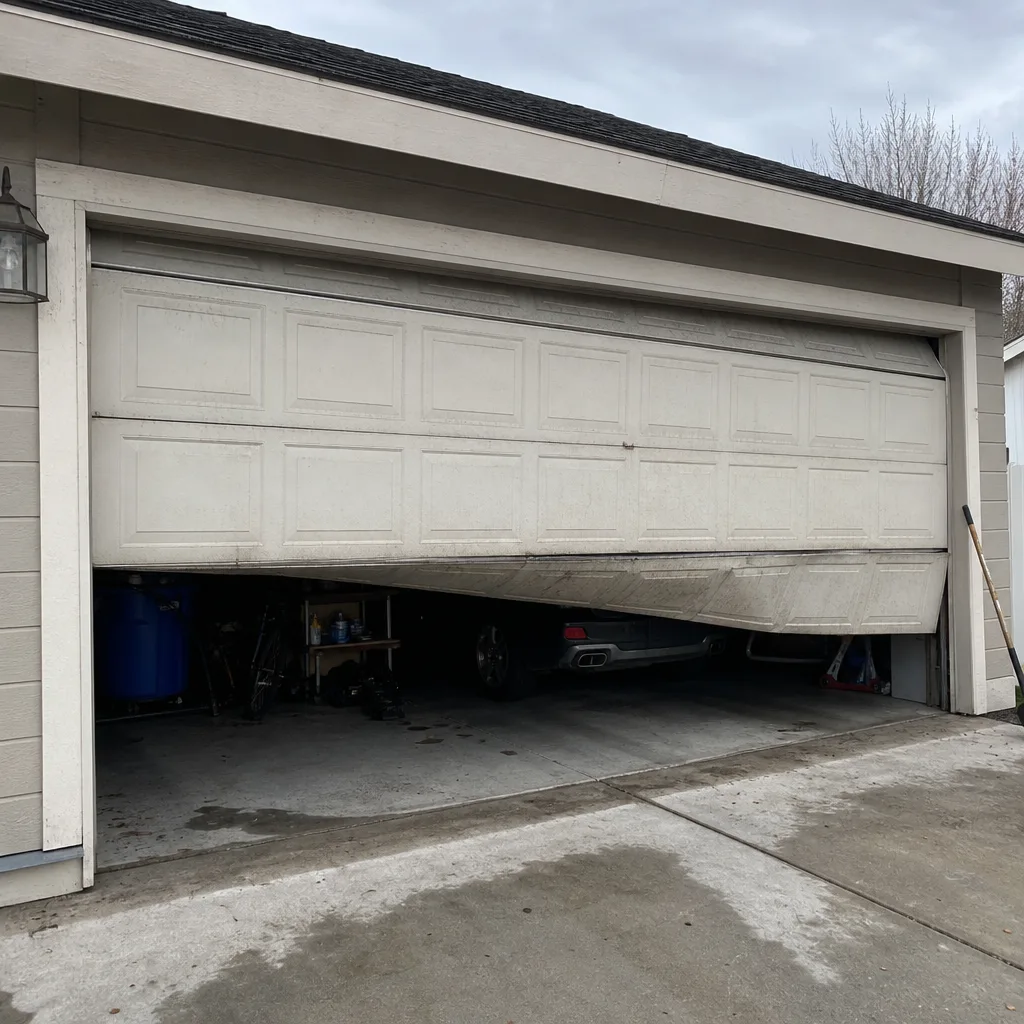 Before
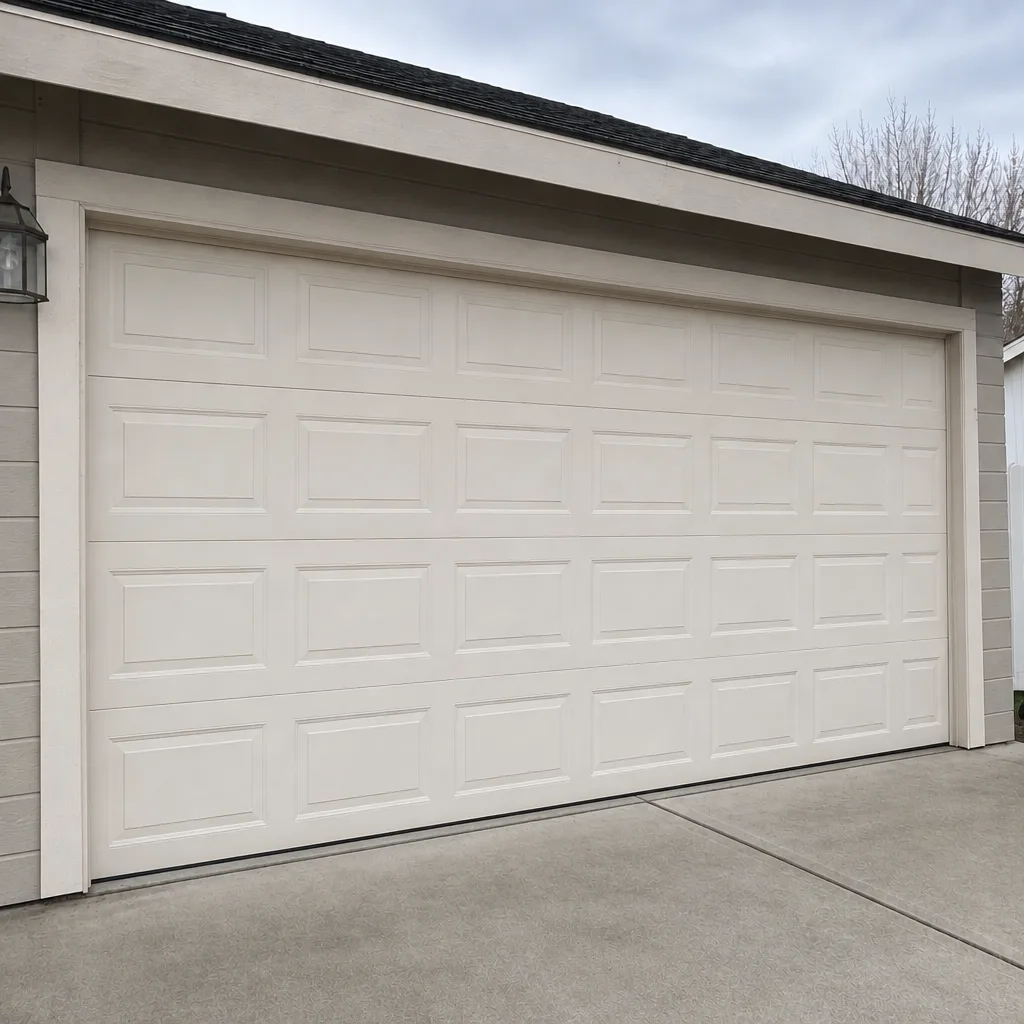 After
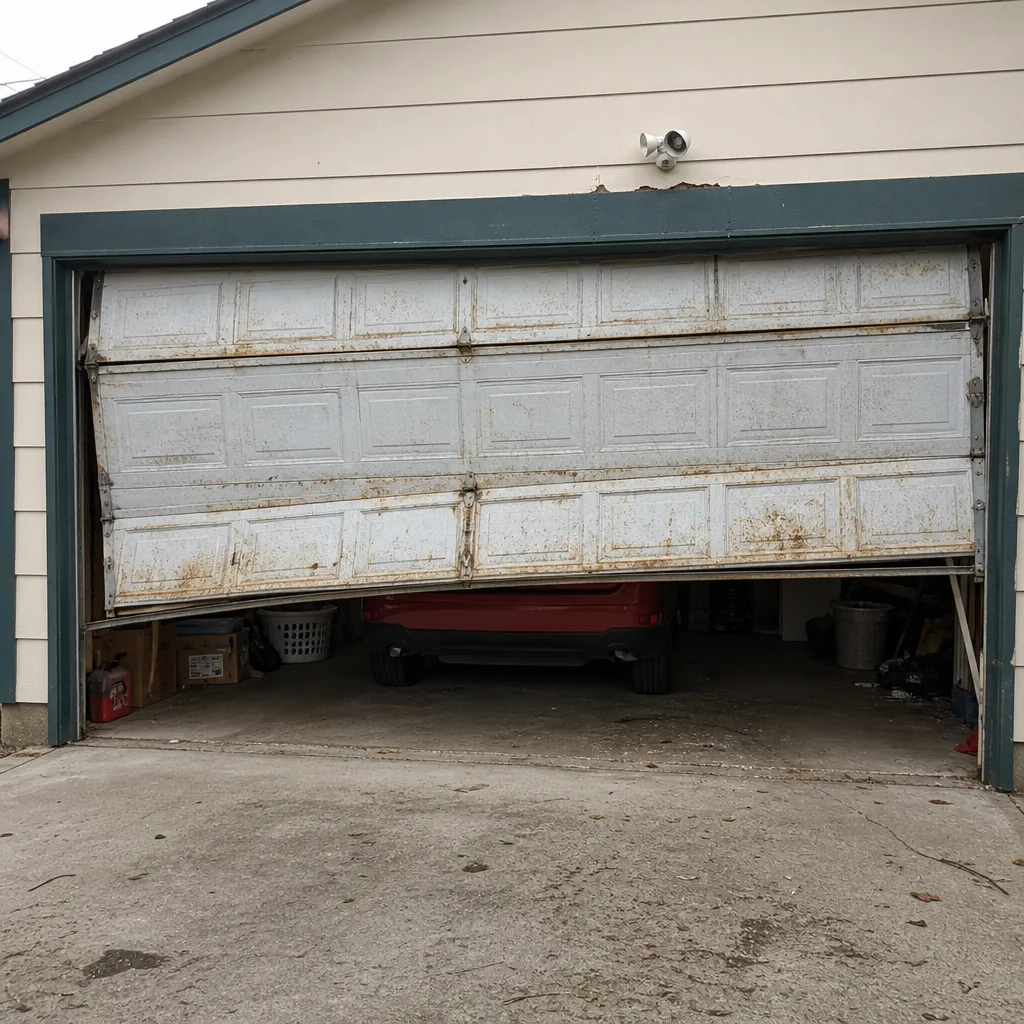 Before
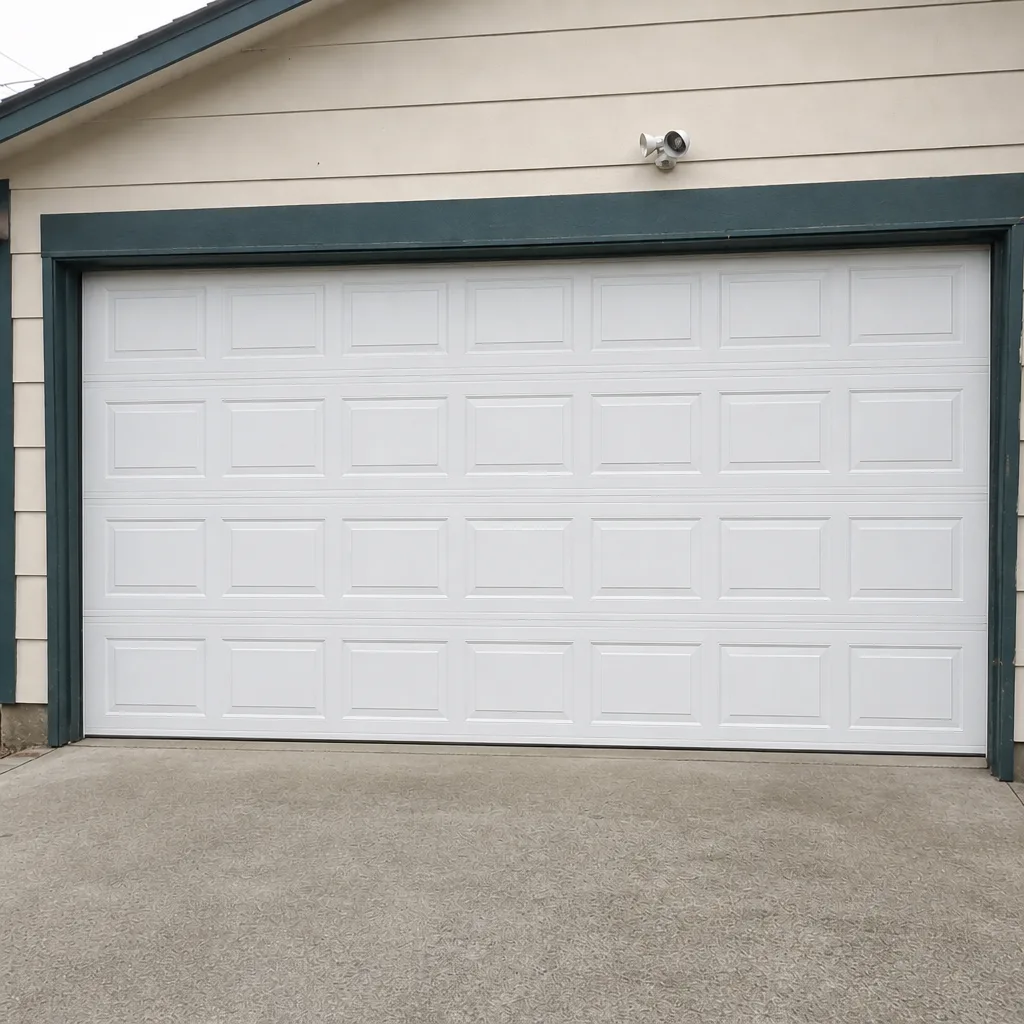 After
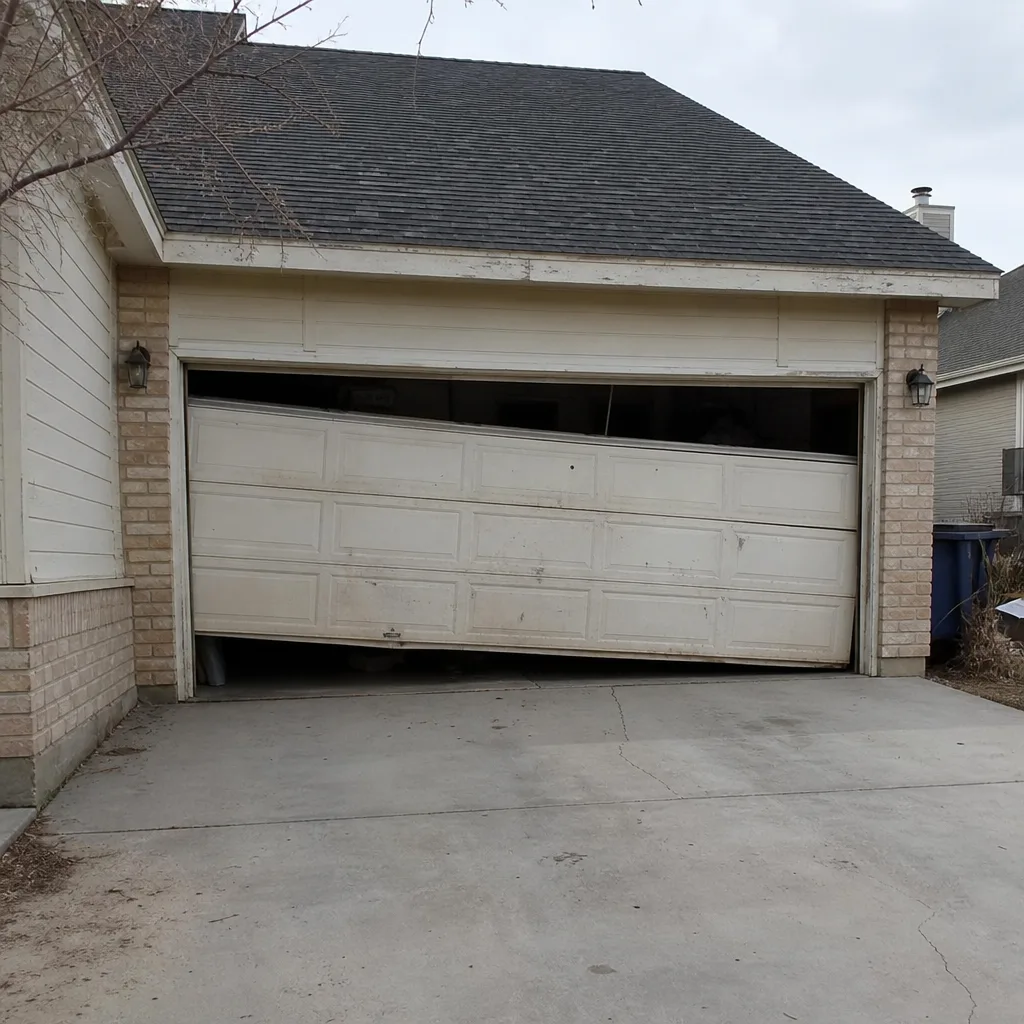 Before
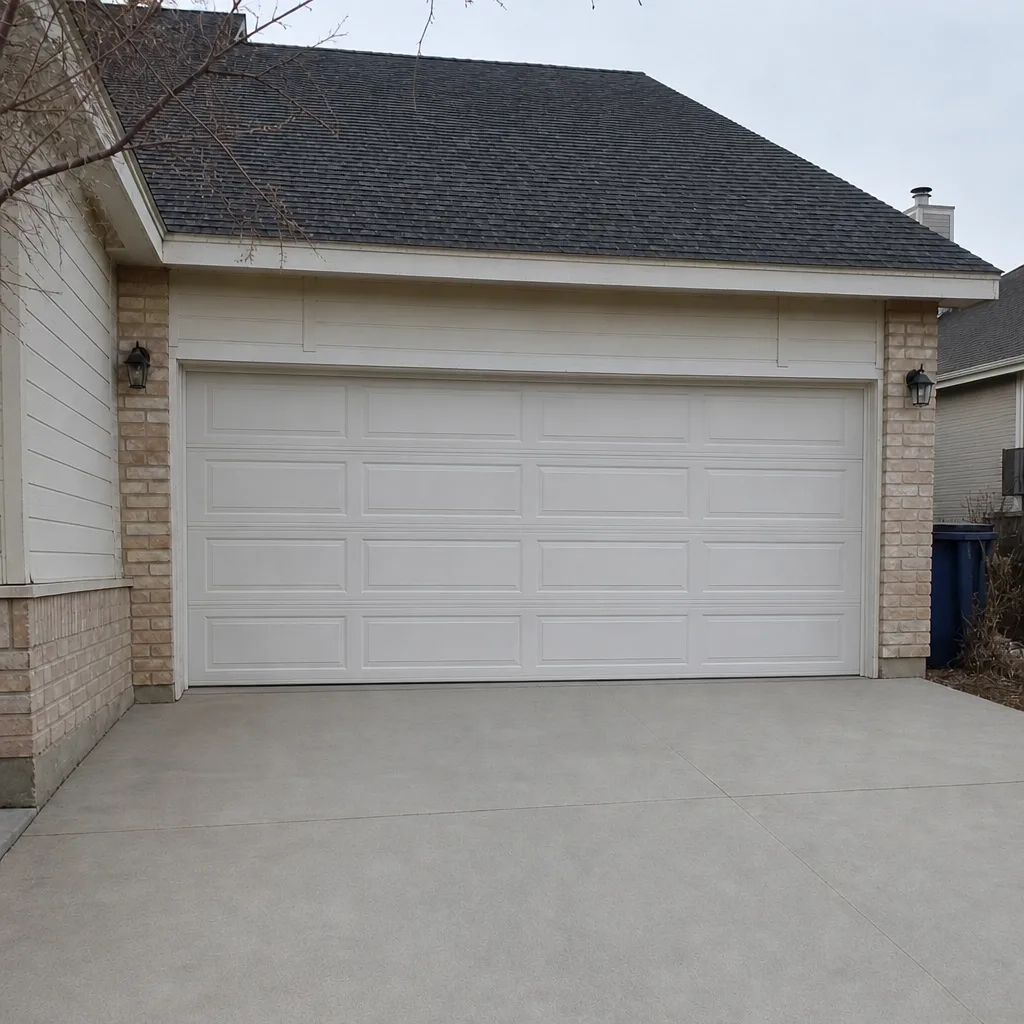 After
When to Call a Professional
Call a professional if you see a broken spring, a frayed or snapped cable, a door that drops hard in the balance test, or a door that’s off its track. Those are stop-use conditions, and running the door risks injury or damage. Call soon if you hear repeated popping, grinding that’s getting louder, or if the door hesitates before moving or reverses before closing. And call before winter if your door only acts up in cold weather, since a Meridian door that struggles in the cold will keep struggling. Highland Garage Door Repair offers free estimates in Meridian, and we work on the door, the hardware, and the opener under one company, so you don’t need a second call. Reach us at (833) 361-4641 to talk through the symptoms. Our technicians have up to 15 years of experience diagnosing exactly these problems, and garage doors are all we do. Fast dispatch runs 7am to 7pm.
Frequently Asked Questions
The most common signs are a door that hesitates or jerks before moving, grinding or popping sounds, a door that reverses before closing, and visible spring or cable damage. A door that fails the balance test or only acts up in extreme weather is also showing early wear. If any sign appears suddenly, call (833) 361-4641 for a free estimate so the problem can be confirmed before it gets worse.
Not always, but you should have it checked soon. Grinding usually means dry or failing bearings or a seized roller, which gets worse with every cycle. If the noise is paired with popping, or the door hesitates too, stop using the door and call a specialist. Call (833) 361-4641 and describe the sound; we’ll tell you whether it’s a stop-now or schedule-this-week situation.
Pull the manual release to disconnect the opener, then try lifting the door by hand. A door that feels very heavy or drops is a door problem; if the opener runs but won’t move the carriage, the opener is the issue. That single test settles most cases before a technician arrives. Call (833) 361-4641 if you want help reading the result.
Cold weather stiffens the door hardware and reduces spring performance, so wear that’s already there shows up more clearly in winter. Meridian’s wide temperature swings make that visible, but the underlying problem doesn’t go away when it warms up. A door that struggles in the cold is worth a visit. Call (833) 361-4641 for a free estimate.
A single pop can mean a spring slipped or a cable jumped its drum, which is serious even if it doesn’t repeat. Don’t run the door until someone checks it. Call (833) 361-4641; we answer 24/7, and fast dispatch runs 7am to 7pm so we can usually get eyes on it the same day.
Stop now if you see a broken spring, a frayed cable, a door that drops hard, or one that’s off its track. Watch it if the only sign is new rattling or a single thud at the limits. Anything in between, like hesitation or grinding, is a schedule-this-week item. Call (833) 361-4641 if you’re unsure, and we’ll help you sort the symptom.
Most hesitating doors can be repaired rather than replaced, usually by fixing the spring, rollers, or track alignment. Full replacement is the smarter call only when multiple systems are worn past repair. We work on Clopay, Amarr, Wayne Dalton, and the other major brands, so we can fix the door you already own. Call (833) 361-4641 for a free estimate before deciding.
The Bottom Line
The signals that matter most are the early ones: the half-second hesitation, the new grind, the door that only acts up in cold weather. Sort them with the severity framework, stop using the door when a spring or cable is compromised, and treat the “schedule this week” signs as an invitation to keep a repair small. The balance test and the manual-release test are two-minute checks you can run yourself, and everything else is a job for a trained specialist. If you’re in Meridian and your door is showing any of these signs, call (833) 361-4641 for a free estimate. We answer 24/7, with fast dispatch from 7am to 7pm, Sunday through Friday. For a broader look at how we help Meridian homeowners, see our full range of services.
Written by the team at Highland Garage Door Repair.