
Last updated November 14, 2026
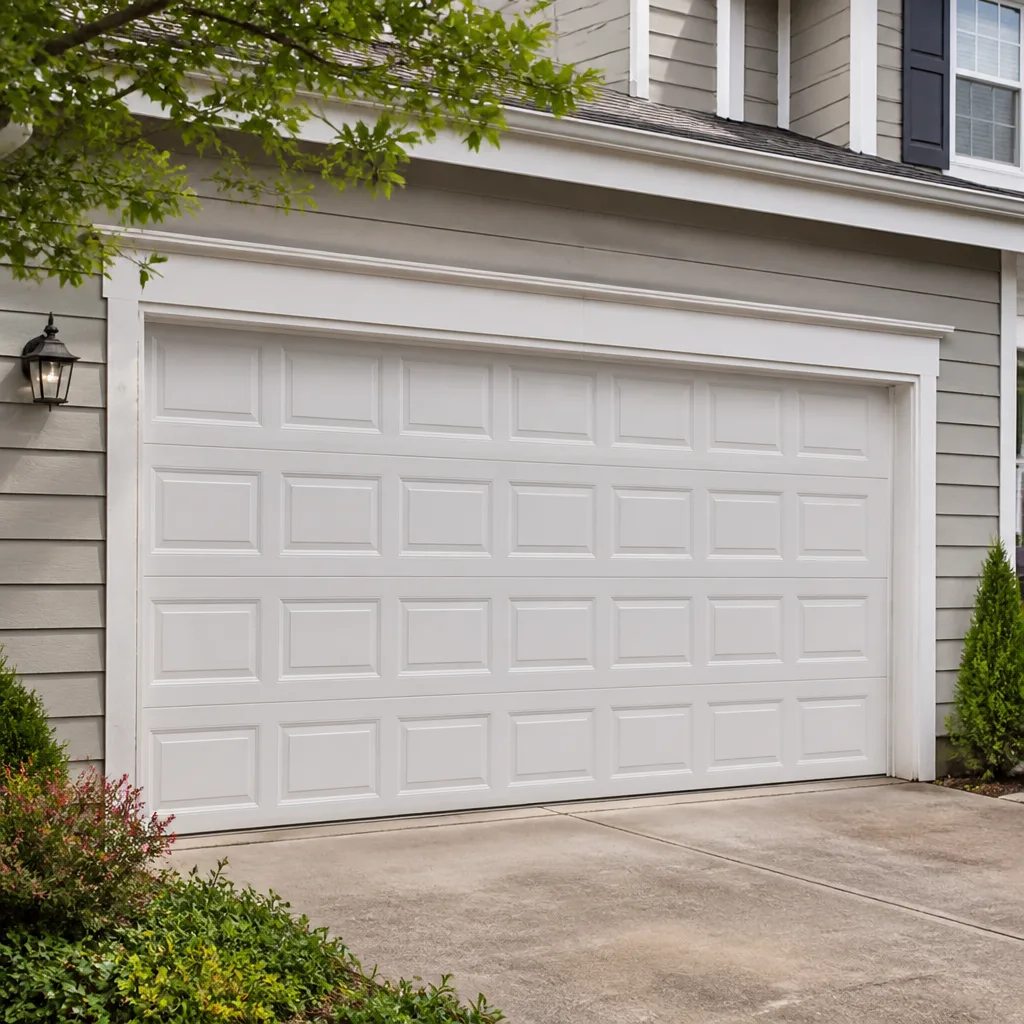 Raised-panel steel
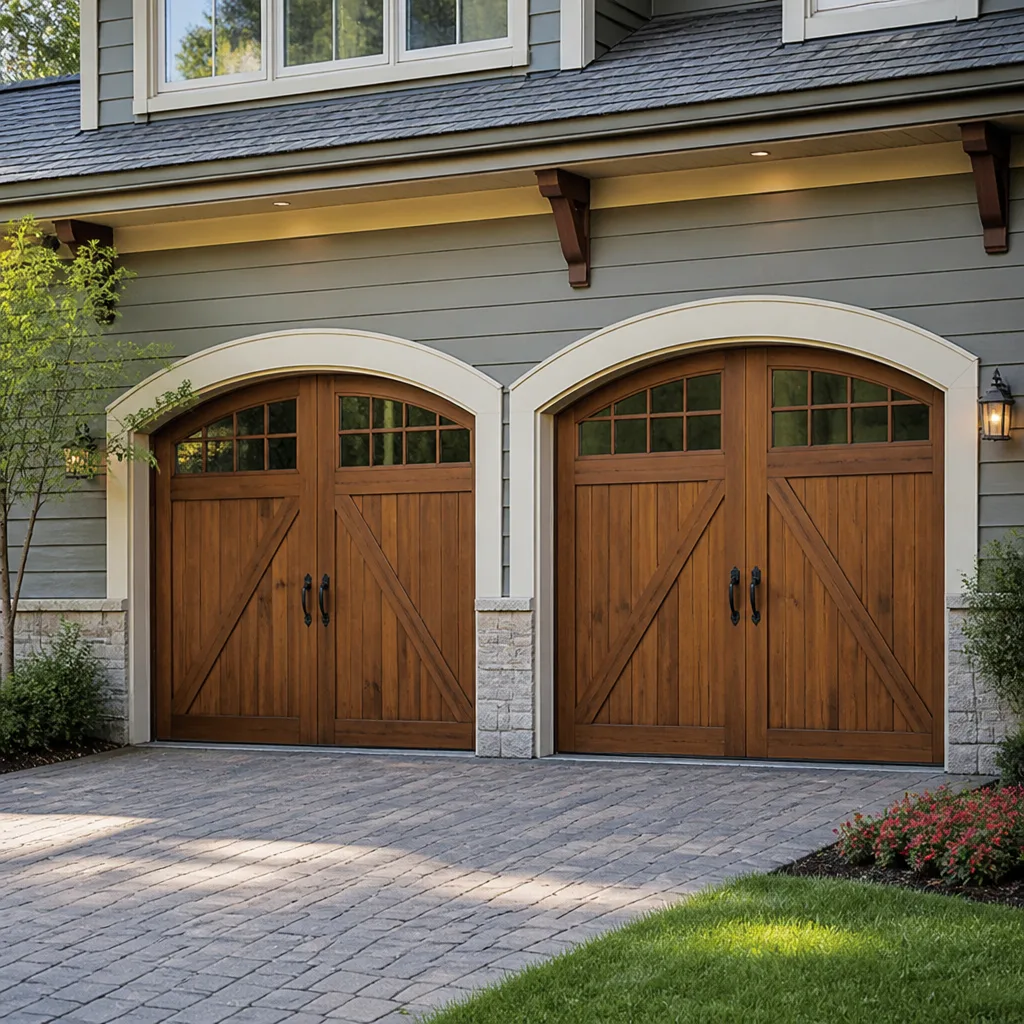 Carriage house
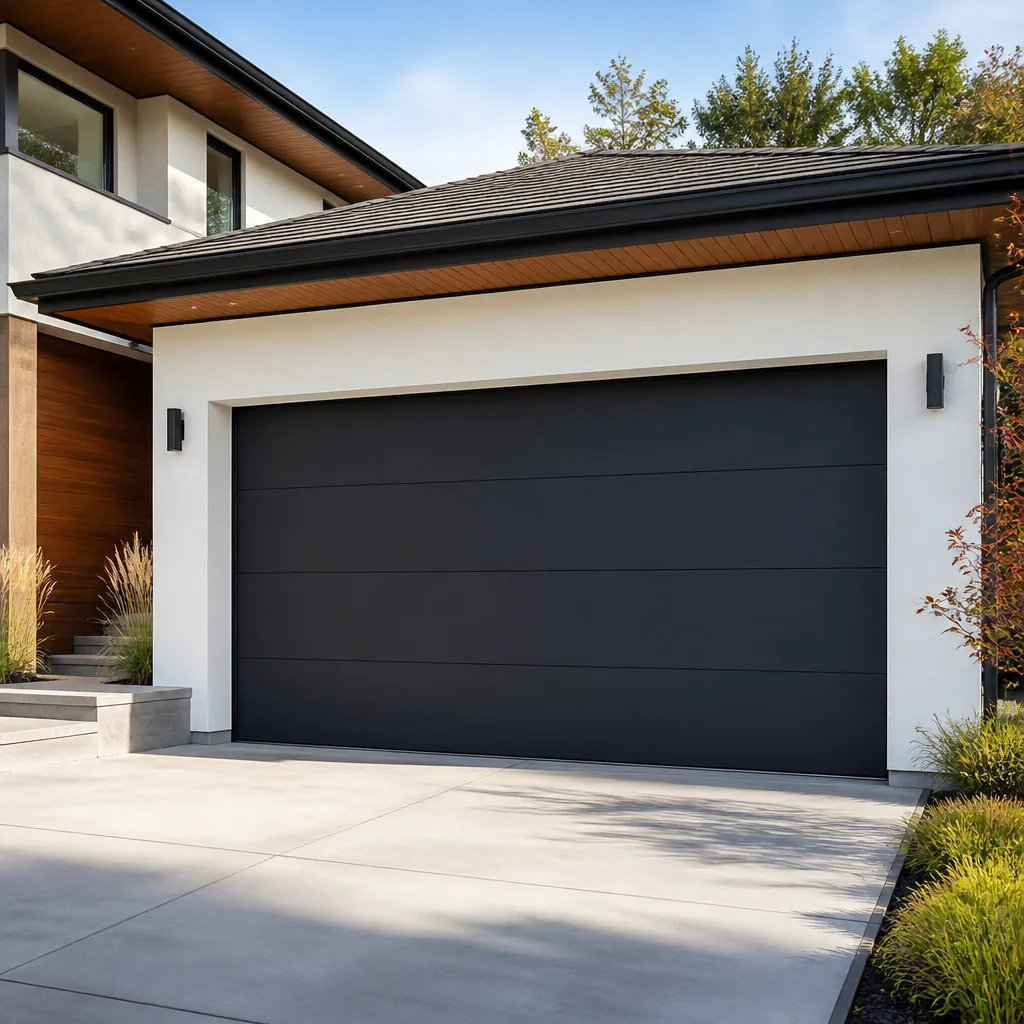 Modern flush
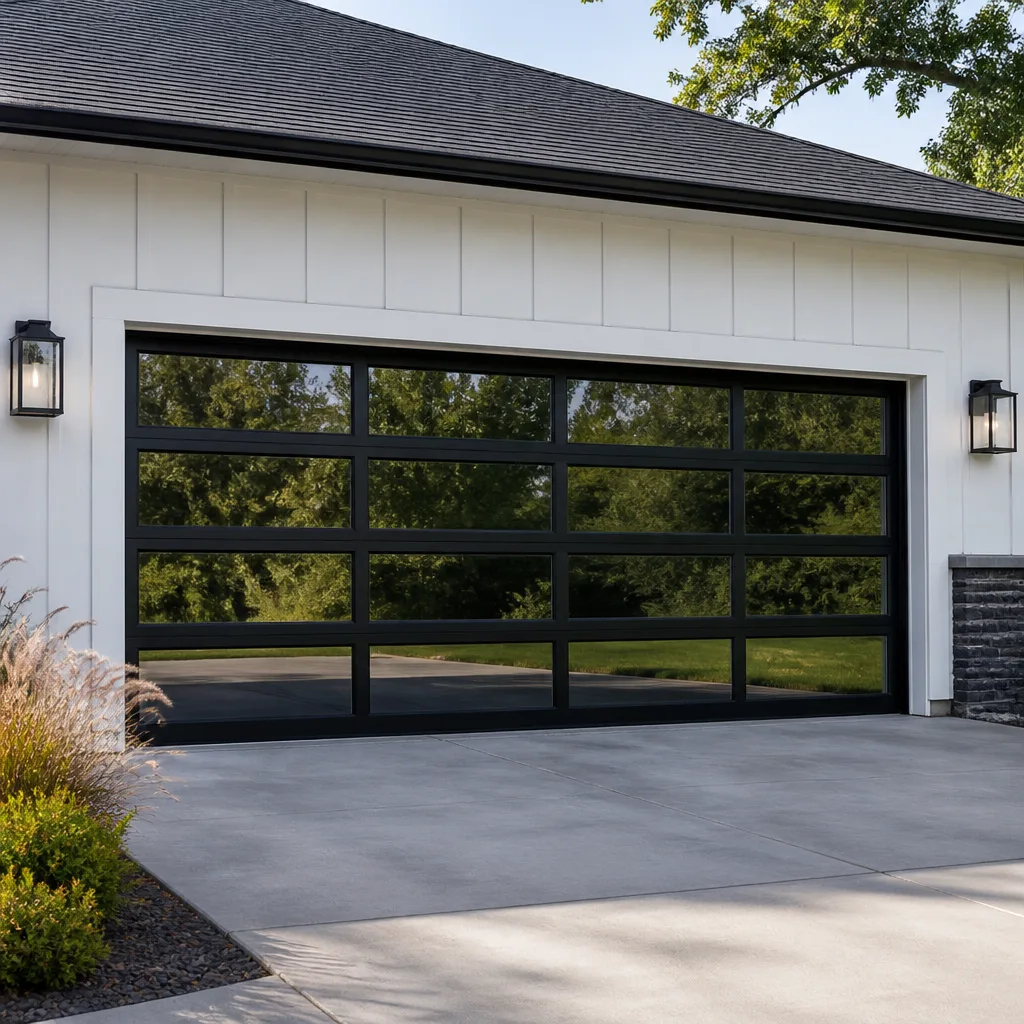 Full-view glass
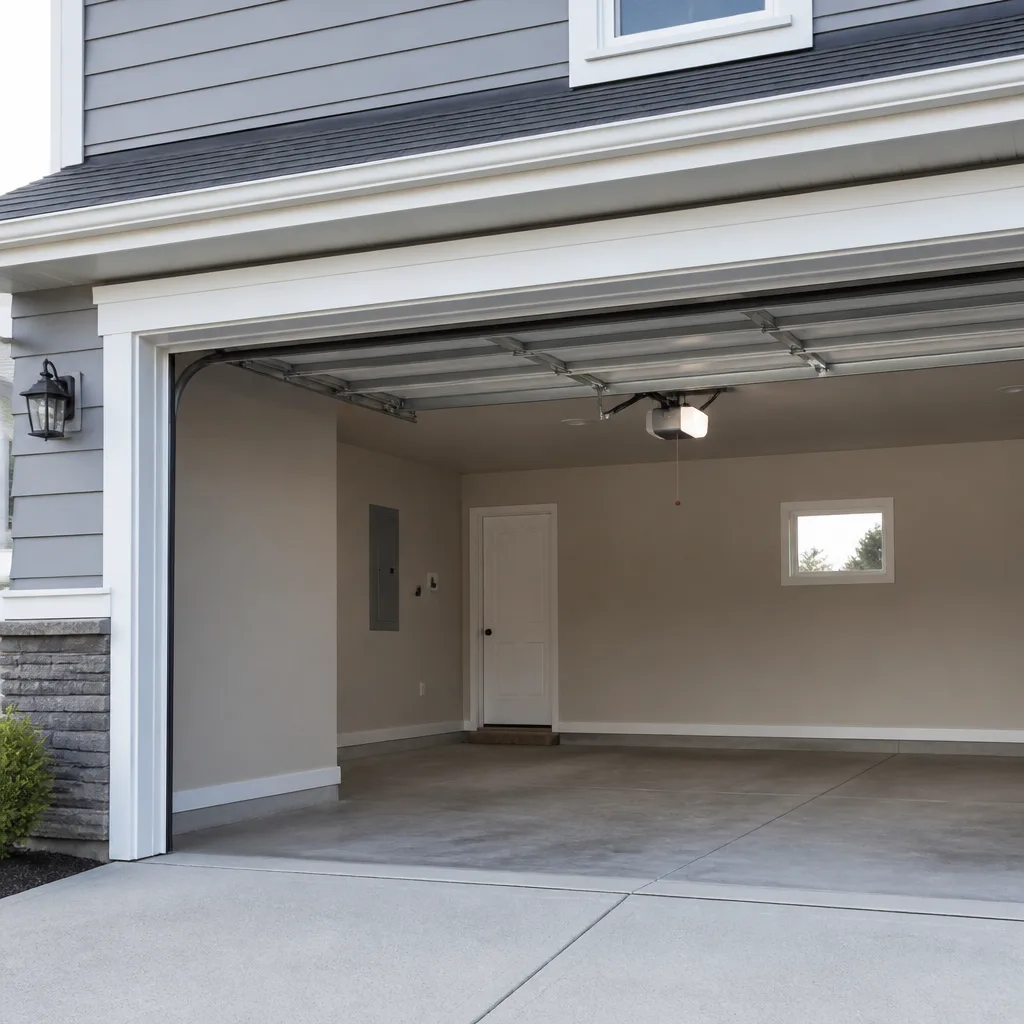 LiftMaster openers
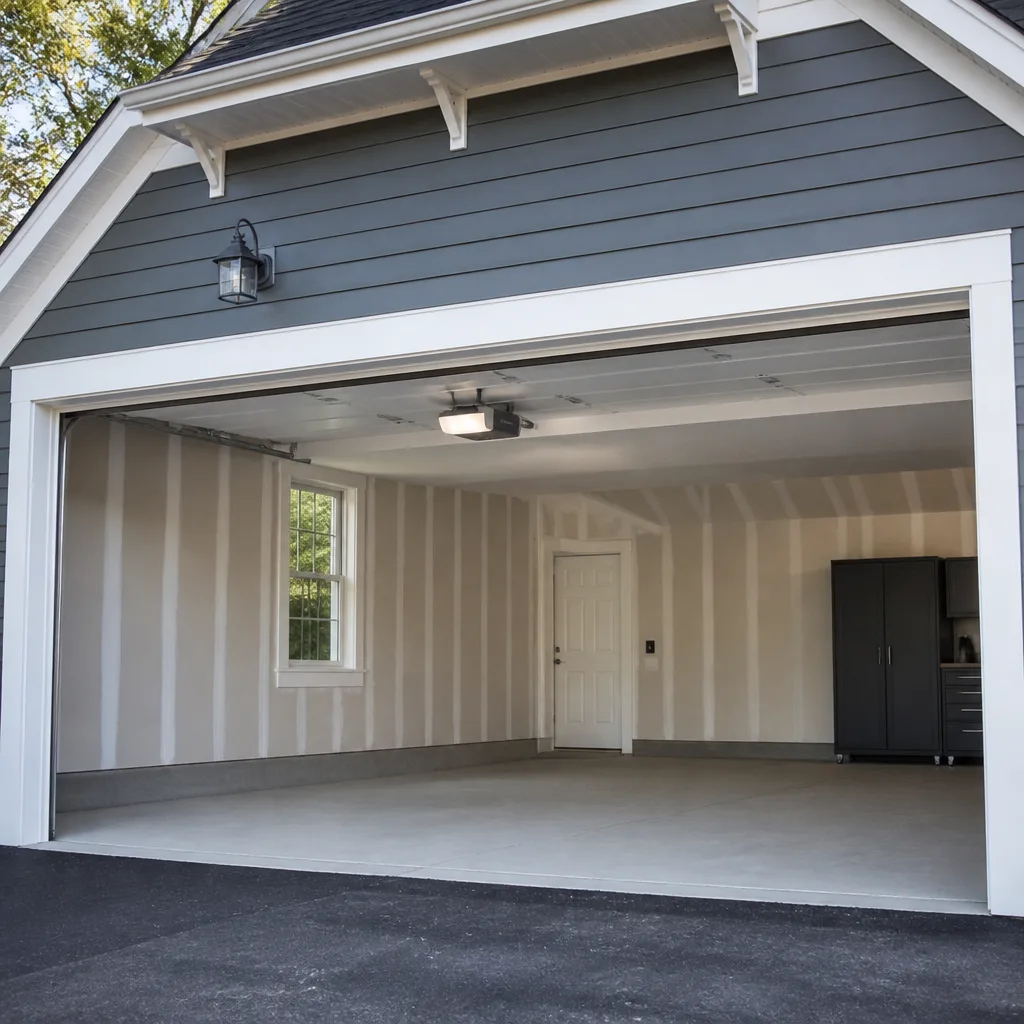 Chamberlain openers
Full 25-point door and opener safety check with every visit - springs, cables, rollers, tracks, and your LiftMaster or Chamberlain opener included
You get a price before we start. It does not change when the pro arrives.
Get your free estimateSeasonal Garage Door Care for Meridian: Year-Round Homeowner’s Guide
The garage door that won’t open on a frigid January morning in Meridian almost never fails in January. It fails in October, quietly, when nobody checks the bottom seal or listens to the spring. That’s the counterintuitive part of owning a garage door in the Treasure Valley: the breakdown you notice in one season is usually set up by conditions in the season before. Meridian’s climate isn’t a simple “hot summers, cold winters” story. It’s a specific mix of hard freezes, fast spring temperature swings, months of high-altitude UV, and dry dust that each wear down different parts of the same door. This guide organizes care around the actual hazard each season creates, not the calendar, so you can prevent the failures that catch most homeowners off guard.
Quick Answer
Seasonal garage door care in Meridian comes down to four checkpoints: inspect the bottom seal and spring tension before the first hard freeze, watch weatherstripping and paint through the high-UV summer, check door alignment after the ground thaws in spring, and keep the tracks and opener hardware clean and lubricated year-round. Organizing maintenance around the specific hazards of freeze-thaw cycles, dry heat, and dust matters more than following a generic monthly checklist. Most winter breakdowns are preventable with two fall tasks done correctly.
Styles & brands we work with
- Raised-panel steel
- Carriage house
- Modern flush
- Full-view glass
- LiftMaster openers
- Chamberlain openers
Table of Contents
- Why Meridian’s Climate Is Harder on Garage Doors Than You’d Think
- Fall Prep: The Two Tasks That Prevent Most Winter Failures
- The Freeze-Thaw Window and Why It Stresses Torsion Springs
- Winter Care: What to Watch When Temperatures Drop
- Summer UV and Heat: Weatherstripping, Paint, and Panels
- Spring Post-Winter Inspection: Checking for Alignment Shift
- What to Do When Your Door Freezes to the Floor Seal
- Dust, Tracks, and Opener Hardware: The Year-Round Basics
Why Meridian’s Climate Is Harder on Garage Doors Than You’d Think
A garage door in Meridian lives through four distinct stress patterns each year, and they don’t all hit the same components. Understanding which parts take the beating in which season is the whole point of seasonal care. A door that gets the same generic treatment in July and January is being under-served in both months.
The Treasure Valley sits at high altitude with low humidity, and that combination changes how materials age. Steel panels here spend months under intense UV that breaks down paint and clear coats faster than in lower, more humid climates. Paint is a door’s first line of defense against rust; once it fails, moisture finds bare steel. Vinyl and rubber weatherstripping dries out and cracks under the same UV load, and the low humidity means the material doesn’t recover the way it might in a wetter climate.
Then winter arrives with its own set of problems. Meridian gets genuine hard freezes, but it also gets frequent daytime thaws, and the ground under and around a garage slab goes through repeated freezing and expanding followed by thawing and settling. Doors are anchored to that slab. When the ground moves, the door’s alignment can shift with it.
Dry dust is the year-round factor homeowners tend to overlook. It settles into tracks, rollers, and hinges, mixing with lubricant to form a gritty paste that accelerates wear on moving parts. In our experience, a neglected set of steel rollers packed with dust is one of the most common causes of a door that suddenly starts shrieking or moving unevenly.
- Winter: hard freezes plus freeze-thaw cycles stress torsion springs and floor seals.
- Spring: thawing ground can shift alignment; rapid temperature swings work the springs.
- Summer: high-altitude UV degrades paint, weatherstripping, and vinyl seals.
- Year-round: dry dust fouls tracks, rollers, and opener hardware.
That’s why we organize seasonal care by hazard rather than by month. A door checked in October against the right two failure points will handle a Meridian winter far better than one serviced on a generic schedule. Highland Garage Door Repair works on doors across the valley, and the pattern of what fails when is remarkably consistent from one neighborhood to the next.
Fall Prep: The Two Tasks That Prevent Most Winter Failures
If you do only two things to your garage door before winter, make them these: inspect the bottom seal and check the spring tension. These two components account for the majority of cold-morning failures we see in Meridian, and both give warning signs long before they fail completely if you know where to look.
1. Bottom Seal Inspection
The bottom seal (also called the bottom weatherstrip) is the rubber or vinyl strip along the bottom edge of the door. It’s the part that meets the floor, and in a Meridian winter it’s the part that freezes to it. A cracked, flattened, or missing seal lets cold air, moisture, and pests into the garage, and a moisture-soaked seal is far more likely to freeze to the concrete overnight.
Check it in the fall by:
- Closing the door fully and looking along the entire bottom edge for daylight gaps.
- Running a hand along the seal to feel for cracks, stiffness, or chunks missing.
- Checking for flattened areas that no longer spring back when pressed.
- Looking for water staining on the garage floor just inside the door, a sign of a leaking seal.
A stiff, cracked seal is a cheap and easy replacement, and it’s far better done in October than in a January freeze when the door is stuck to the floor.
2. Spring Tension Check
Torsion springs (the coiled springs mounted above the door on a shaft) are what balance the door’s weight. When they’re near the end of their life, they may still open the door but struggle through the last few inches, or the door may feel heavier than it should when you lift it by hand. A spring that’s losing tension in October is a spring that’s likely to snap in the cold.
The safe spring check is a balance test, not a hands-on adjustment: disconnect the opener (most modern units, including Chamberlain and Genie models, have a manual release pull) and lift the door halfway. A properly balanced door stays roughly in place. If it slams down or feels heavy, the springs need attention. Do not attempt to adjust or replace torsion springs yourself. They’re under extreme tension and are genuinely dangerous. Call a trained professional for any spring work.
Both tasks take a few minutes and prevent a category of failure that dominates winter repair calls. We cover this in more detail on our garage door repair page for anyone whose door is already showing symptoms.
The Freeze-Thaw Window and Why It Stresses Torsion Springs
Here’s something most garage door guides miss: sustained deep cold is usually less damaging to torsion springs than the freeze-thaw window Meridian gets in late fall and early spring. When nights drop below 32°F and days climb above 50°F, springs and the metal around them expand and contract repeatedly. That cycling is harder on a torsion spring than a steady freeze because the spring is constantly working across a temperature range, not sitting still.
Torsion springs are tempered steel under load. Cold makes steel more brittle and less able to flex; rapid temperature swings add repeated expansion and contraction on top of that. A spring already showing wear or fatigue is far more likely to snap during a freeze-thaw cycle than in steady winter cold. That’s counterintuitive but consistent with what we see in Meridian repair calls, which cluster around the transition periods rather than the deepest cold snaps.
What this means for care:
- Watch for a door that feels heavier or lifts unevenly during the transition seasons.
- Listen for a sharper metallic creak when the door moves, a sign of spring fatigue.
- Have a technician verify tension and inspect the spring cycling before and after the freeze-thaw window.
- Don’t apply lubricant to a torsion spring to “fix” a squeak; that’s a diagnosis problem, not a lubrication problem.
Springs are also the single most dangerous part of a garage door to work on. If anything about the spring’s behavior changes, treat it as a professional inspection, not a DIY project. The cost of ignoring a tired spring is usually a door that fails to open, not the catastrophic failure people imagine, but a spring under load can cause serious injury if handled incorrectly.
Winter Care: What to Watch When Temperatures Drop
Once winter settles in, your attention shifts from preparation to observation. The goal is to catch problems while they’re small and avoid doing anything that makes them worse. Several common “quick fixes” for a winter-stiff door actually do damage, and knowing which ones to avoid matters as much as knowing what to check.
What to Check in Winter
- Door speed and balance. A door that suddenly opens more slowly or jerks can signal a stiff component or losing spring tension.
- Bottom seal contact. Check after each cold snap for signs the door is freezing to the floor seal.
- Track alignment. Ground frost can shift things; watch for the door rubbing or catching in the tracks.
- Opener performance. A cold opener works harder, especially older mechanical models. Reduced opening speed can point to a worn drive gear or a door that’s become heavier than the opener can comfortably handle.
- Unusual sounds. A popping, groaning, or scraping sound in cold weather is a warning, not a nuisance.
Cold stiffens lubricant and seals, so some minor stiffness is normal. Sudden changes are not. If your door functions fine in summer and suddenly struggles in deep cold, that’s a component telling you it’s near the end of its life.
What Not to Do in Winter
Don’t force a frozen door open with the opener. If the door is stuck to the floor seal and the opener engages, the opener’s gear and drive assembly take the full force. That’s how a seal problem becomes an opener repair. Don’t pour hot water on the seal as a repeated fix, and don’t pry at the door with tools to break it loose. We have a safer method in the freeze section below. If your opener has already been strained, our garage door opener repair service covers everything from LiftMaster and Chamberlain to Genie and Craftsman units, including legacy mechanical models and newer smart-compatible openers.
Summer UV and Heat: Weatherstripping, Paint, and Panels
Summer in the Treasure Valley is where slow damage quietly accumulates. High altitude and low humidity mean UV intensity runs stronger than in lower, more humid climates, and the garage door faces it for hours a day. Two components take the biggest hit: the weatherstripping around the door’s perimeter and the paint or finish on steel panels.
Weatherstripping Under UV Load
Vinyl and rubber weatherstripping around the sides and top of the door and the bottom seal all dry out and crack under sustained UV. Once the material loses its flexibility, it stops sealing and starts letting in dust, heat, and eventually moisture. Check the perimeter seals in summer by looking for chalky whitening, fine cracks, and brittleness. A flexible seal springs back when pressed; a dying one stays compressed or cracks.
Paint, Finish, and Steel Panels
Paint is a protective layer, not just a color. On a steel door (Clopay and Amarr are common brands we see on homes across the valley), the factory finish is engineered to protect the steel underneath. When UV breaks down the clear coat and paint, bare or oxidized steel is exposed, and the next moisture cycle starts rust at the seams and panel edges. Check the door’s finish each summer, especially on south- and west-facing doors, which absorb the most sun. Small paint chips and fading aren’t just cosmetic; they’re the first stage of rust. Touch up small chips early rather than waiting for visible rust.
- Seals: press-test for flexibility; replace chalky or cracked sections.
- Paint: touch up chips before rust sets in; watch south- and west-facing doors closest.
- Panels: check seams and panel edges for oxidation or rust bloom.
- Hardware: summer heat plus dry dust makes track cleaning and roller lubrication especially worthwhile.
A garage door that’s well-sealed also keeps the garage cooler, which matters in a valley where summer afternoons get hot. If your finish has failed on a bigger scale, our page on Highland Garage Door Repair covers the full range of door repair and installation options, including whether a repair is the smarter choice than replacement.
Spring Post-Winter Inspection: Checking for Alignment Shift
After the ground thaws, the question is whether your door has shifted. Ground frost and thaw cycles move the slab, and the door’s tracks and hinges are anchored to it. A door that was perfectly aligned in October can be rubbing, sticking, or out of balance by April even if nothing appears broken. Here’s the exact sequence we recommend for checking alignment after a Meridian winter.
- Visual level check. Open the door and look at the gap between the panel edges and the tracks on both sides. The gap should be even all the way up. A door sitting closer to one track on one side is a sign of misalignment.
- Straight-line check. With the door closed, stand back and look across the bottom edge. Is it level with the floor across its full width? A gap on one side suggests a shifted hinge or track.
- Balance test. Disconnect the opener and lift the door to the halfway point. It should stay roughly in place. If it drops or feels heavy, spring tension needs attention.
- Movement check. Watch the door as it opens and closes (with the opener reconnected). It should move smoothly and quietly from start to finish. Rubbing, binding, or a shudder indicates a track or roller problem.
- Hardware check. Look at the hinges and their mounting points. Loosened or shifted hinge plates after a thaw cycle are common and cause the door to hang unevenly.
- Seal contact. Check that the bottom seal still meets the floor evenly across the full width. A gap at one end is another alignment clue.
Mild alignment issues can sometimes be resolved by a technician adjusting the tracks and hinges. Significant shifts, especially combined with spring wear, are a sign to have the door professionally evaluated. If the door has shifted enough that it’s binding, keep using it as little as possible until it’s checked; forcing a binding door strains the opener and the spring.
For homeowners across Meridian, spring is also a good time to review whether any winter damage needs a repair visit rather than a full replacement. A surprisingly high number of doors that seem to need replacement after a rough winter actually just need realignment and a spring service, which is where repair-first thinking pays off.
What to Do When Your Door Freezes to the Floor Seal
A frozen door seal is one of the most common winter calls we get in Meridian, and it’s easy to make worse with the wrong reaction. When the rubber seal freezes to the concrete, the door and floor bond together. The right approach frees the seal gently; the wrong ones damage the seal or the opener.
The Right Method
- Don’t run the opener. Disengage it first (most openers, including LiftMaster and Genie units, have a manual release), so the opener motor can’t force the door.
- Break the bond around the full width. Gently work a plastic scraper or the flat edge of a plastic tool along the bottom edge to separate the seal from the concrete. Never use metal tools that can tear the rubber.
- Once the seal is freed, work the door open by hand first. Confirm it moves smoothly before reconnecting the opener.
The Two Wrong Methods to Avoid
Prying or forcing the door up with the opener engaged. The opener’s drive gear takes the strain, and a strain like that is a common path to a burned-out gear or a stripped drive assembly. The door stays stuck and now the opener needs repair too.
Pouring hot water or de-icing salt on the seal or floor. Hot water can warp or crack rubber and refreezes into a worse bond. De-icing salt damages concrete over time and degrades the seal rubber. Both do more damage than the original freeze.
Persistent freezing points to a worn bottom seal or a drainage issue near the door. Replacing a stiff old seal with a flexible one solves the problem at the source. If the door has frozen hard enough that the seal is torn, or the opener has already been strained, call us. We answer 24/7, and fast dispatch from 7am to 7pm, Sunday through Friday, means we can get a technician out to assess the damage.
Dust, Tracks, and Opener Hardware: The Year-Round Basics
The Treasure Valley’s dry dust is a constant. It settles into every track and roller and mixes with lubricant to form grit that grinds moving parts down. This is the one seasonal hazard that never takes a season off, which is why the year-round basics matter as much as any single seasonal task.
Here’s a simple monthly routine that covers most of it:
- Wipe the tracks. Run a dry cloth or soft brush along the inside of each track to clear dust and grit. Don’t grease the horizontal tracks; they collect dust when lubricated.
- Lubricate the right parts. A small amount of garage-door lubricant on rollers, hinges, and the torsion spring (not the tracks) keeps things moving quietly.
- Check the opener’s safety features. Test the auto-reverse function and the photo-eye safety sensors monthly. A door that won’t reverse or that closes despite an obstruction is a genuine safety concern.
- Listen for changes. A new sound is information. Catch it while it’s still a lubrication or adjustment issue rather than a broken part.
- Look at the hardware. Check bolts and hinges for looseness. Vibration loosens fasteners over time, and a loose hinge causes uneven door movement.
If your opener is a modern smart-compatible unit or an older mechanical model, the same basics apply: keep it clean, keep it tested, and watch for the small changes that predict failure. Current LiftMaster, Chamberlain, and Genie openers have diagnostics that can help identify an issue early, and a specialist who knows those systems can read them quickly. Garage doors are the only thing we work on, so a single call covers the door, the hardware, and the opener.
Common Mistakes to Avoid
- Waiting until January to think about winter. The most common winter failure (a door that won’t open on a cold morning) is set up months earlier by an unchecked seal and a tired spring. Fall is when prevention happens.
- Lubricating the tracks. Grease on horizontal tracks turns into a dust trap in Meridian’s dry climate. It collects grit and grinds the rollers down faster.
- Ignoring minor stiffness. A door that gets slightly harder to lift after a freeze-thaw cycle is telling you the spring is losing tension. Waiting is how you get a door that stops opening.
- Forcing a frozen door with the opener. Frozen seals are common in the Treasure Valley, and forcing the door strains the opener’s drive assembly. Free the seal by hand first.
- Skipping the spring balance test after a thaw. Ground frost and thaw move the slab and can throw the door out of alignment. A quick check in spring catches it before it becomes a track or hinge repair.
- Touching the torsion spring yourself. Springs are under extreme tension and can cause serious injury. Tension checks are fine; adjustments and replacements are professional work.
- Neglecting paint and seals in summer. Fading paint and chalky weatherstripping look cosmetic but are the first stage of rust and water intrusion. Deal with them in the summer, before fall moisture finds them.
See the difference
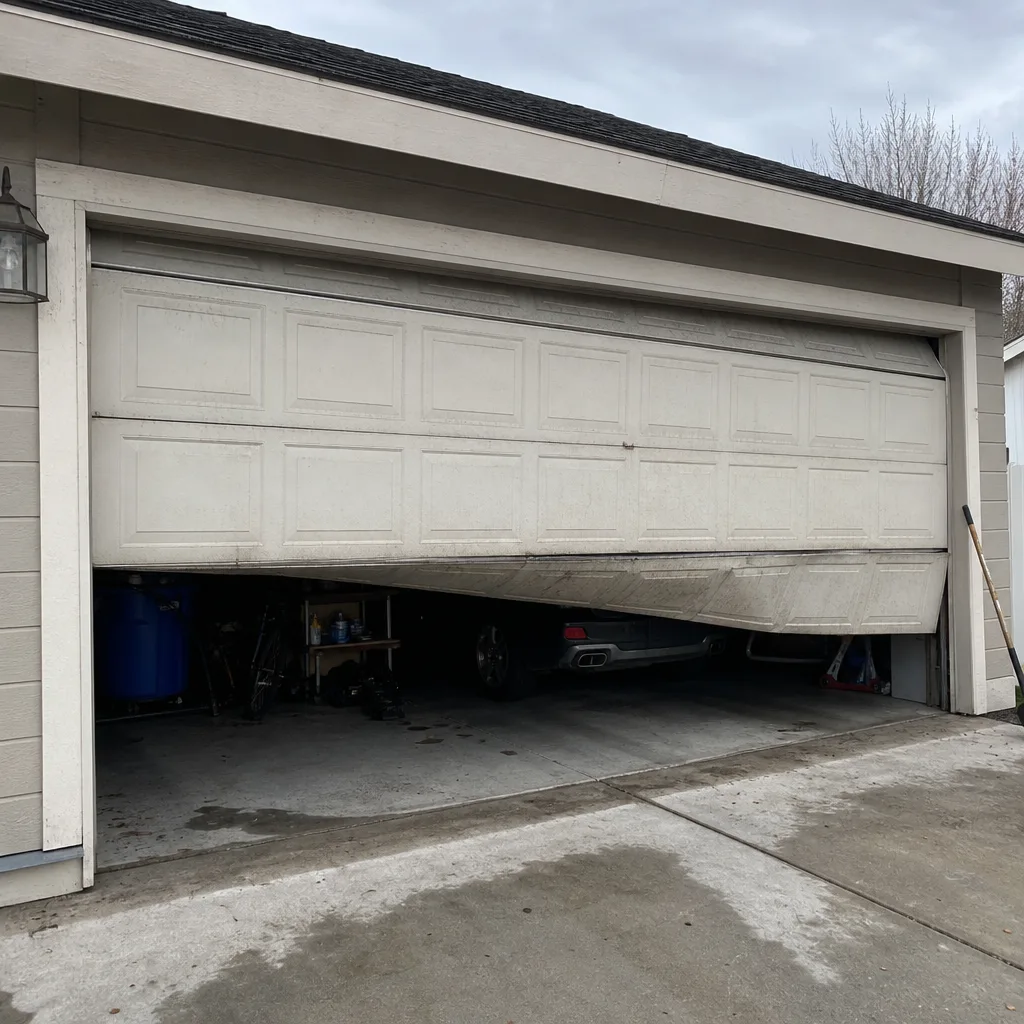 Before
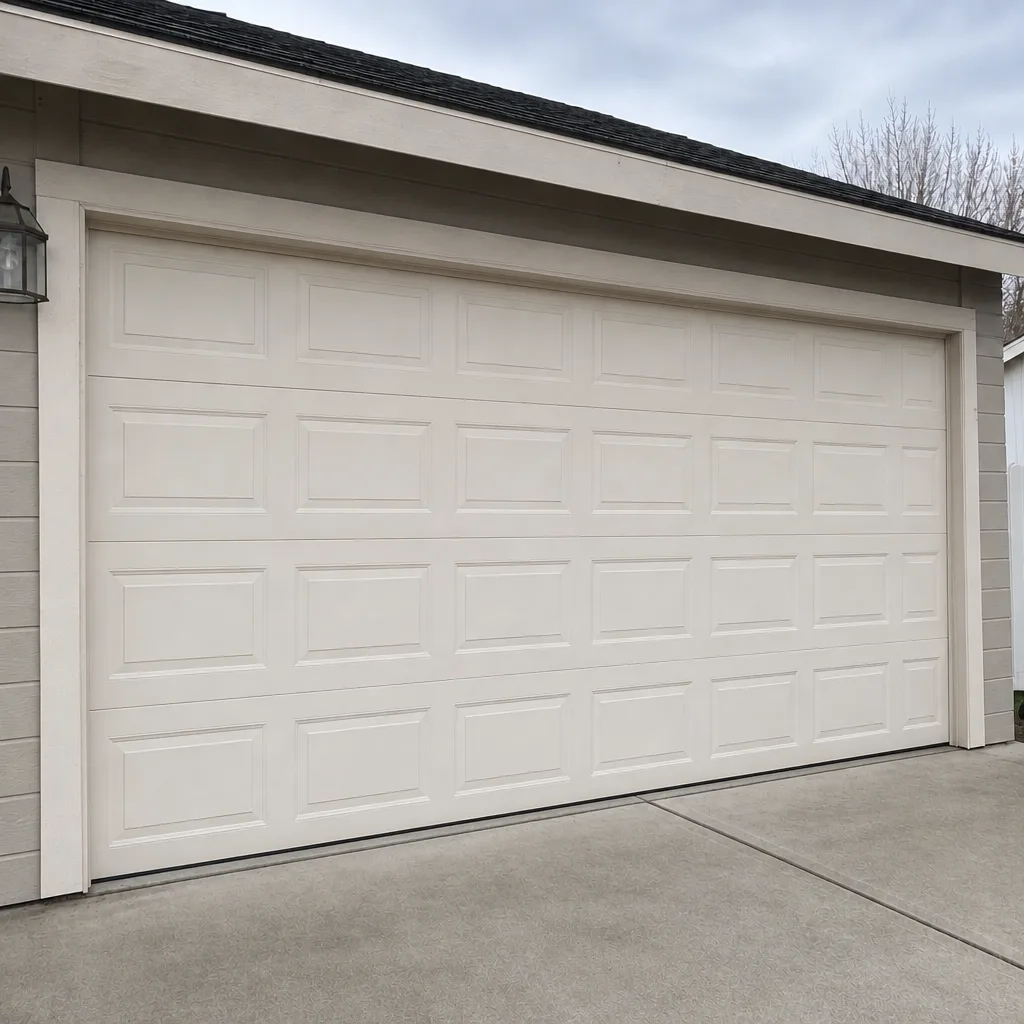 After
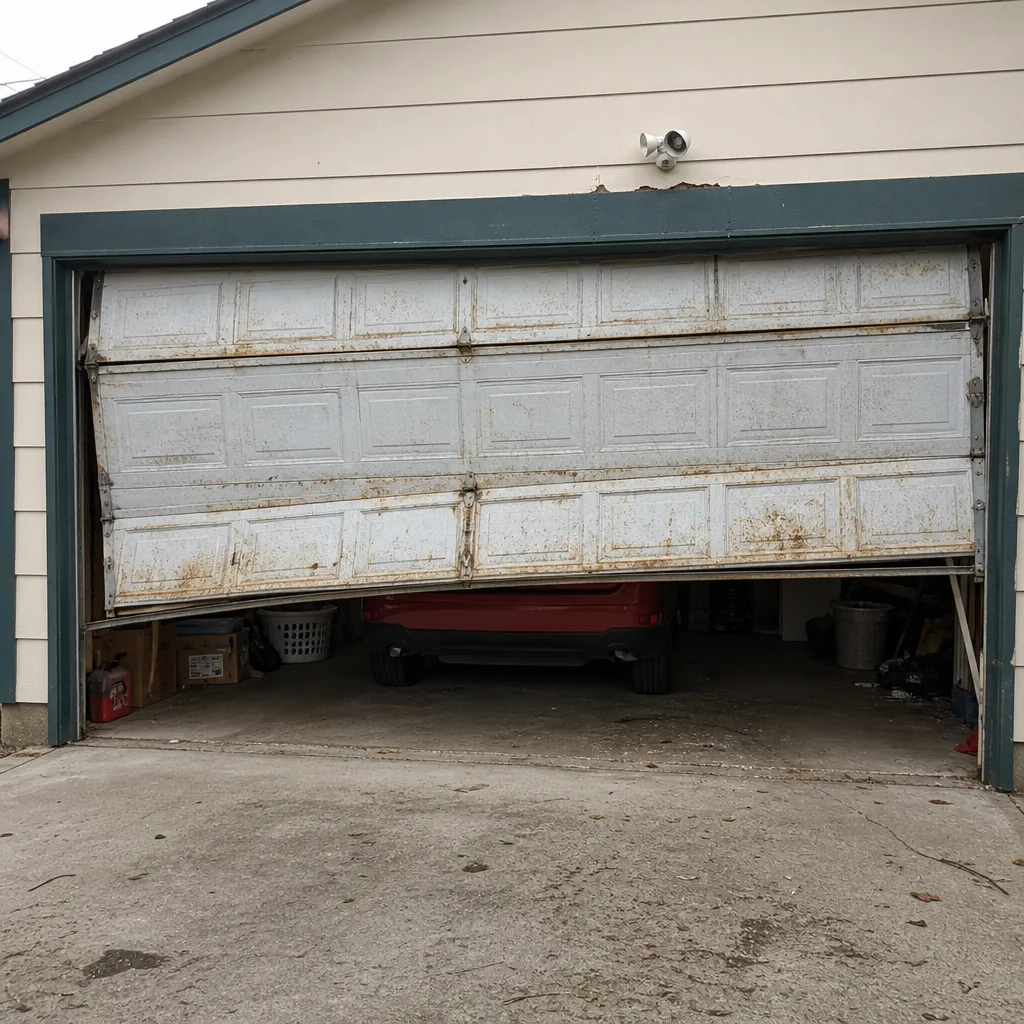 Before
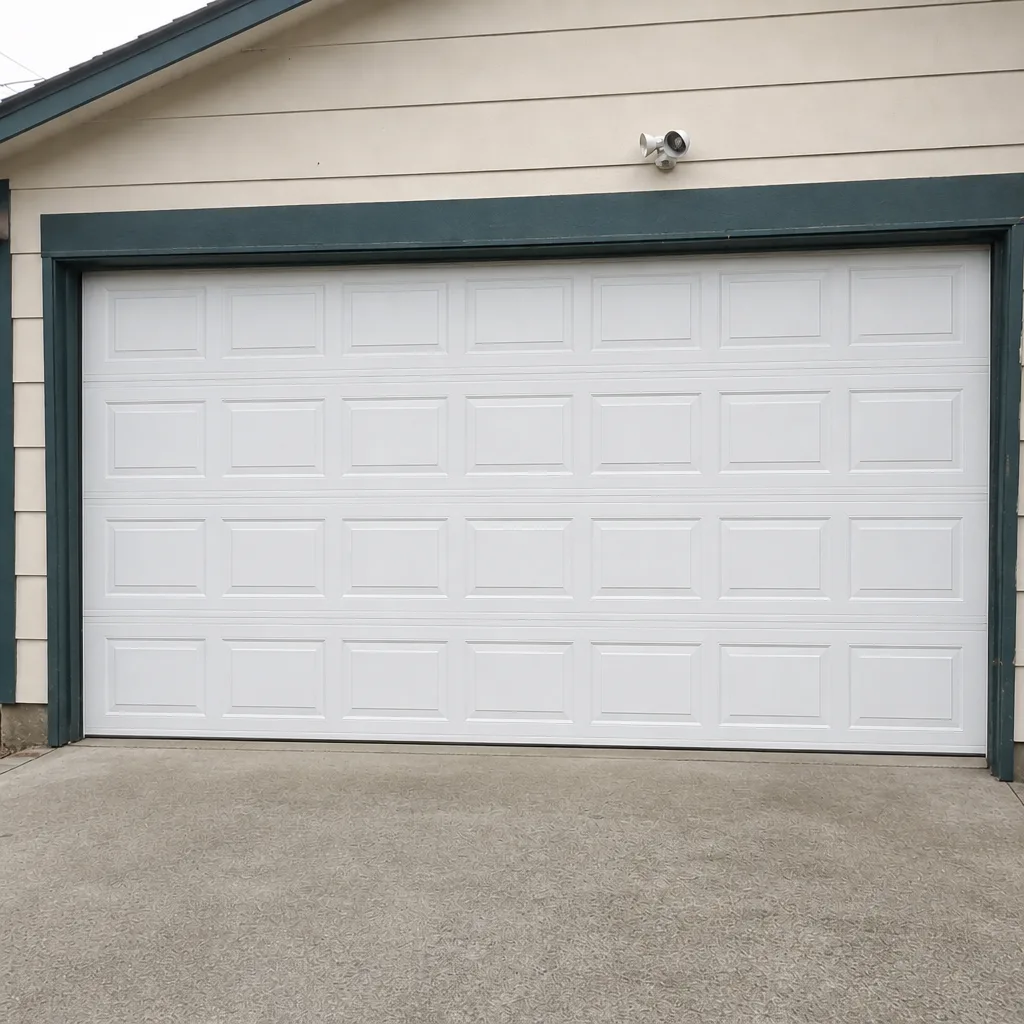 After
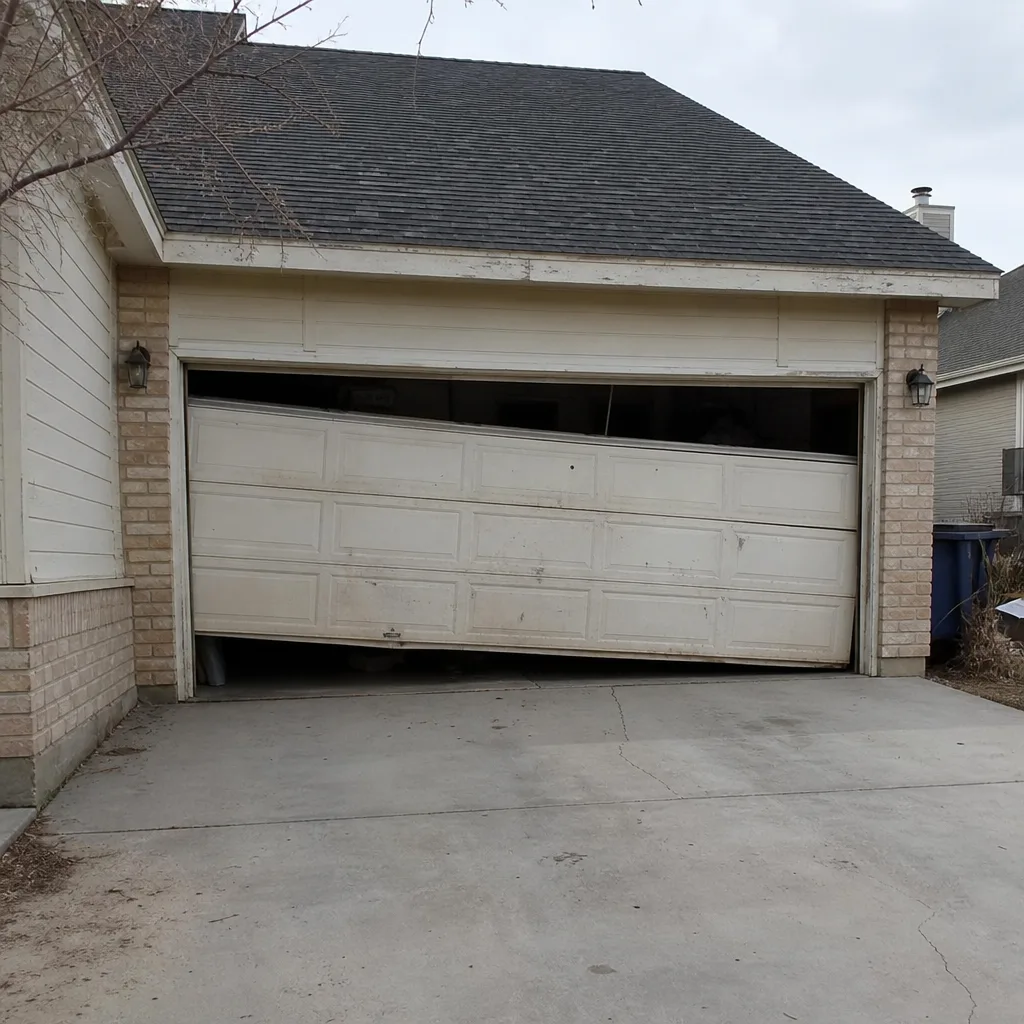 Before
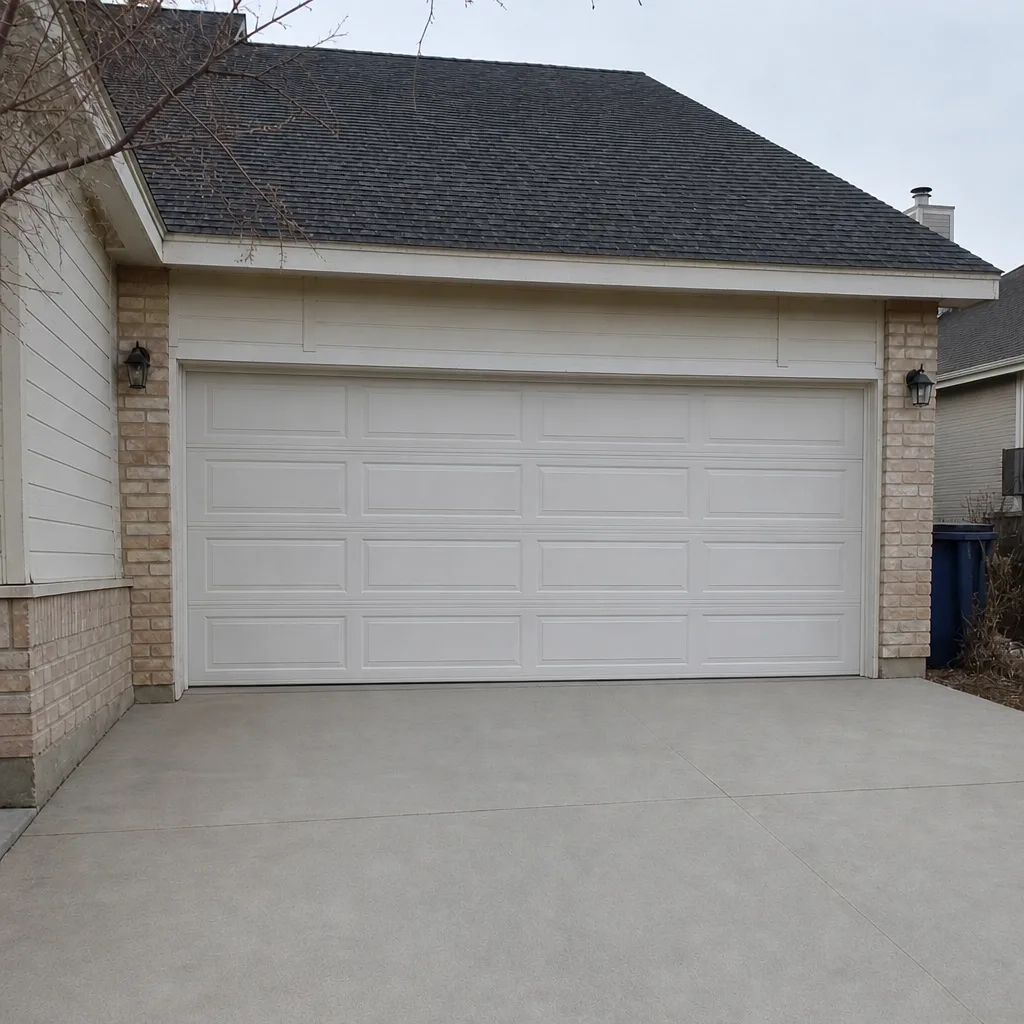 After
When to Call a Professional
Some seasonal tasks are fine for a homeowner with a few minutes and a flashlight. Others genuinely need a trained technician. Call a professional if your door has a spring that’s lost tension, a snapped or visibly worn torsion spring, a door that’s come off its tracks, an opener that’s straining or reversing on its own, or a door that’s shifted significantly out of alignment after a frost-thaw cycle. Also call if you’ve had a persistent freezing problem despite a good seal, or if the door makes a sharp crack or pop and then stops working. We can work with your opener and door brand, from Clopay and Amarr doors to LiftMaster and Genie openers, and we know exactly where these systems fail. Highland Garage Door Repair offers free estimates in Meridian; the price is quoted and agreed before any work starts. Call (833) 361-4641. We answer 24/7, and fast dispatch runs from 7am to 7pm, Sunday through Friday.
Frequently Asked Questions
The single most important task is the fall bottom-seal and spring-tension check. Those two components cause the majority of cold-morning failures in the Treasure Valley, and both show warning signs weeks before they fail. Do them in October and you prevent the problems that otherwise show up in January.
Your door freezes to the floor because the bottom rubber seal bonds to cold concrete when there’s moisture between them, usually from a worn or stiff seal. In Meridian’s freeze-thaw winters, that bond forms overnight. Replacing a stiff old seal with a flexible one and breaking any existing bond by hand before running the opener solves most cases. The right method frees the seal carefully with a plastic tool; the wrong methods (forcing the opener or pouring hot water) damage the seal or strip the opener gear.
You should check the door’s key components at each seasonal transition: fall for the seal and springs, spring for alignment after the thaw, and summer for weatherstripping and paint, with a simple monthly clean-and-test routine year-round. The seasonal checkpoints matter more than the frequency because each catches a different hazard before it becomes a failure.
No. Torsion springs are under extreme tension and can cause serious injury if adjusted or replaced incorrectly. Homeowners can and should do the balance test to check whether the springs need attention, but any adjustment or replacement should be done by a trained professional. If your spring is losing tension, call us rather than attempting a fix.
A door that gets harder to open in cold weather is usually showing a spring that’s losing tension, which is amplified by cold steel becoming more brittle and less able to flex. Freeze-thaw cycles speed this up. If the door feels noticeably heavier than it did in summer, have the springs inspected before the problem becomes a door that won’t open at all.
A seasonal inspection is typically part of a service visit, and the price depends on what the inspection finds. We quote all work before starting it, so you know the cost before anything is done. If you’re not sure whether your door needs a repair or just a tune-up, call (833) 361-4641 for a free estimate; we’ll tell you what we find. Estimates are free.
The Bottom Line
Seasonal garage door care in Meridian works best when you organize it around the hazards of each season rather than the calendar. Fall is for the bottom seal and spring tension, the two tasks that head off most winter failures. Winter observation catches problems while they’re small, and the freeze-thaw window deserves extra attention for springs. Summer is when UV attacks weatherstripping and paint, so that’s when you check and protect those. Spring is for checking whether the thaw shifted your door’s alignment. The dry dust of the valley makes the year-round clean-and-test routine the foundation everything else builds on.
If your door is already showing symptoms, or you’d rather have a trained eye do the seasonal check, we’re here to help. Call (833) 361-4641 for a free estimate. We answer 24/7, and fast dispatch from 7am to 7pm, Sunday through Friday, gets a technician out to identify the real problem and fix it correctly, without unnecessary work.
Written by the team at Highland Garage Door Repair.