
Last updated November 14, 2026
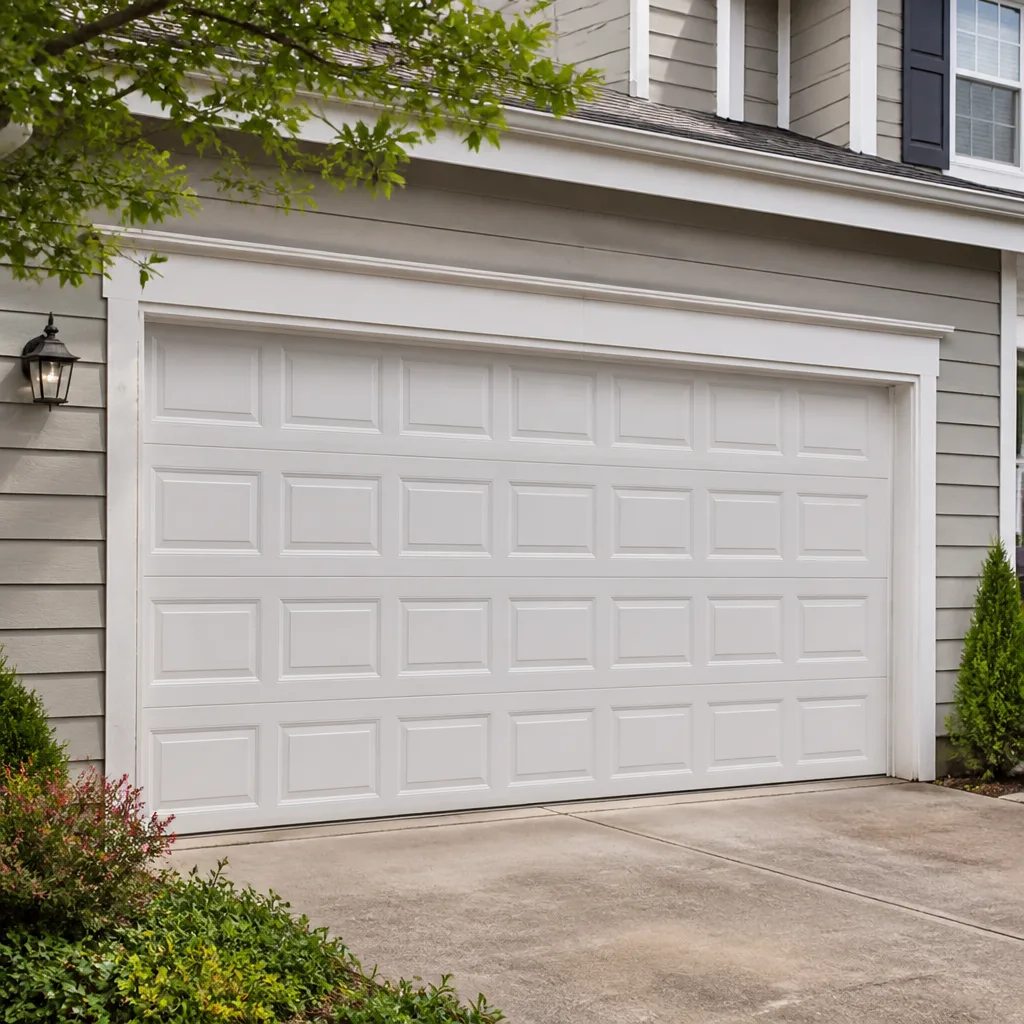 Raised-panel steel
 Carriage house
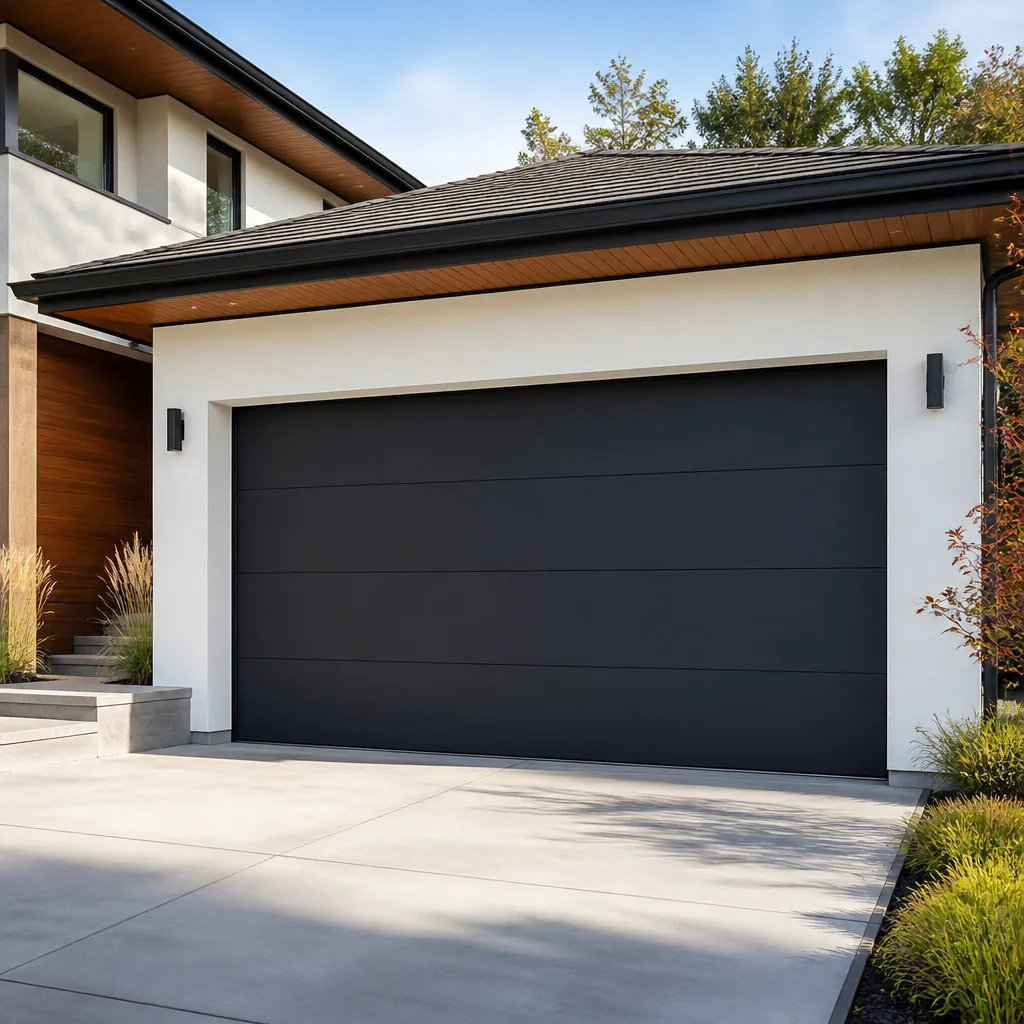 Modern flush
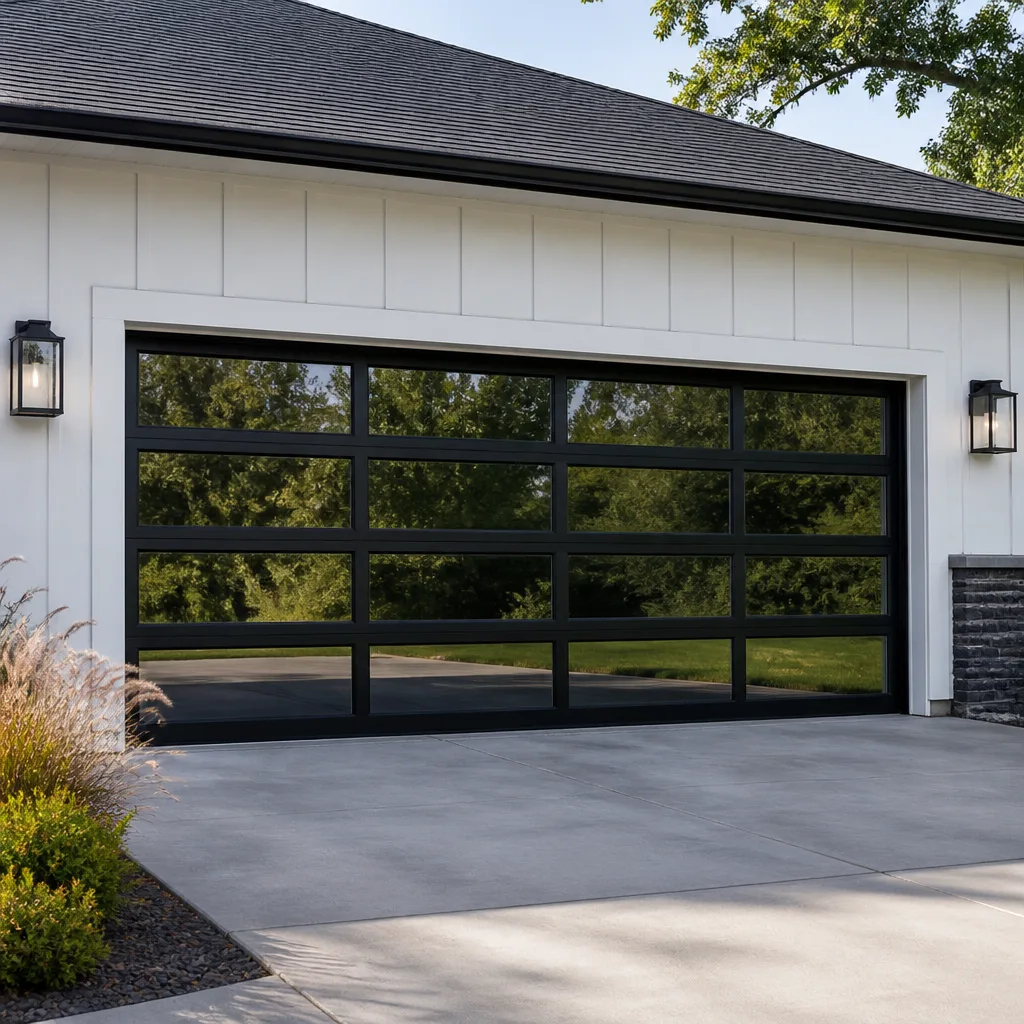 Full-view glass
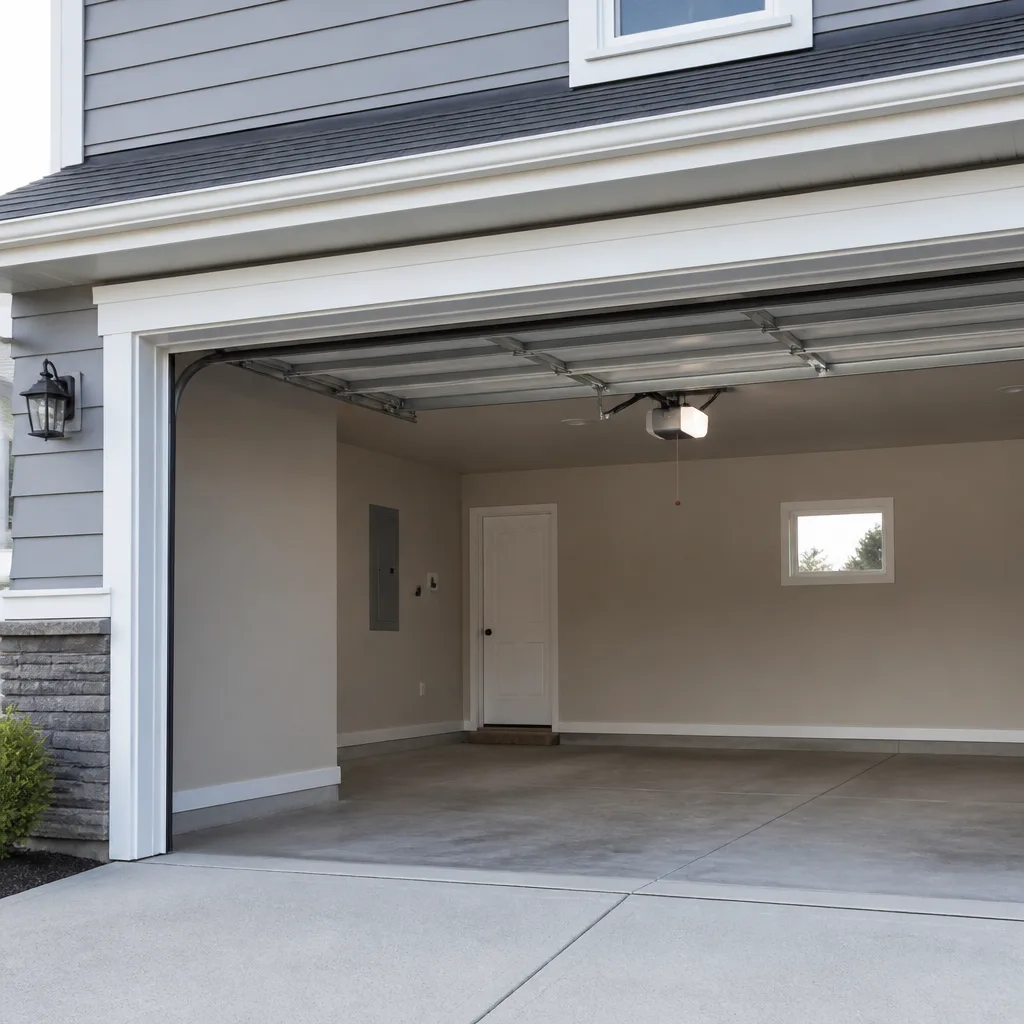 LiftMaster openers
 Chamberlain openers
Full 25-point door and opener safety check with every visit - springs, cables, rollers, tracks, and your LiftMaster or Chamberlain opener included
You get a price before we start. It does not change when the pro arrives.
Get your free estimateGarage Door Repair Maintenance Schedule: What to Do and When
Most garage door maintenance advice is written for a climate that doesn’t exist here. National checklists tell you to lubricate everything in spring, clean everything in fall, and call it done. In Meridian, that timing is off by months. The real stress on your springs, rollers, and opener arrives with the first hard freeze in November, and if you lubricated in August, that product has already thinned and migrated away by the time the cold actually hits. We’ve watched doors fail in January that were “maintained” three months earlier. This guide lays out a genuinely local schedule: what to do in October before winter, what to do in March after it, and the small monthly checks that catch problems before they become repairs.
Quick Answer
A garage door in Meridian needs two thorough maintenance sessions per year: a pre-winter tune-up in October that focuses on lubrication and balance before the freeze, and a post-winter inspection in March that catches damage from the cold months. Between those, a 60-second visual check each month catches most problems early. Springs and hardware are the priority; cosmetic cleaning can wait.
Styles & brands we work with
- Raised-panel steel
- Carriage house
- Modern flush
- Full-view glass
- LiftMaster openers
- Chamberlain openers
Table of Contents
- Why Timing Matters More Than the Checklist
- October: The Pre-Winter Session
- March: The Post-Winter Session
- The Right Lubricant for Each Part
- Your 60-Second Monthly Check
- Which Tasks Actually Extend Hardware Life
- How to Log Maintenance in 30 Seconds
- Common Mistakes to Avoid
Why Timing Matters More Than the Checklist
Meridian’s temperature swing is the whole story. Summers here push past 100°F, and winters drop well below freezing, sometimes into single digits. That range does things to a garage door that a mild coastal climate never will. Metal contracts and expands across that swing, which works fasteners loose and stresses springs every season. Rubber seals harden in the cold and crack. And the dust that builds up through a dry Treasure Valley summer turns into an abrasive paste once any moisture reaches it.
A national maintenance schedule copied from a manufacturer’s generic PDF doesn’t account for any of this. Those documents are written to be safe advice for the widest possible audience, which means they’re vague about timing and heavy on tasks that matter less than they sound. What actually matters in Meridian is simple: get the lubrication and balance right before the cold arrives, then inspect for cold-weather damage once it’s over.
We work on garage doors across Meridian, from the neighborhoods off Ten Mile Road out toward Linder, and the pattern is consistent. Doors that get a proper October session tend to sail through winter. Doors that get lubricated in summer and then left alone are the ones that call us in January with a spring that let go. Our technicians have up to 15 years of experience, and the seasonal timing is one of the first things they’ll point out when servicing a door here.
October: The Pre-Winter Session
The October session is the important one. Its job is to prepare every moving part for the coldest, hardest months, when the metal is at its tightest and the lubricant needs to still be doing its job. Do this in October, not August, and the product is fresh when the freeze arrives.
- Lubricate the torsion springs. These are the coiled springs above the door that carry most of its weight. A light coat of a proper spring lubricant reduces the friction that builds up as the metal tightens in cold. This is the single highest-value task on the list.
- Lubricate rollers, hinges, and bearing plates. Every pivot point gets a small amount of lubricant. Rollers on a nylon wheel need only a light touch; steel rollers benefit more.
- Run a balance test. Close the door, pull the release handle to disconnect the opener, then lift the door halfway by hand. A properly balanced door should stay roughly where you leave it. If it drops or rises on its own, the springs are out of adjustment or wearing out, and that’s worth a professional look before winter adds load.
- Check the weather seal along the bottom. This rubber or vinyl strip takes the brunt of the cold. Run your hand along it and look for cracks, hardening, or gaps. A failing seal lets cold air and moisture into the garage all winter.
- Tighten visible fasteners. Seasonal expansion loosens the bolts on hinges and tracks. Snug them, but don’t overtighten, and never adjust the track position itself.
- Test the safety reverse. Put a small object in the door’s path and confirm it reverses on contact. This is a safety check, not just a maintenance item.
If anything in that list turns up a real problem, a balance issue or a worn spring, book garage door repair before the cold sets in rather than after. A failing part is cheaper and easier to address in October than in a January emergency.
March: The Post-Winter Session
The March session has a different job. Winter is when things break or quietly wear, so March is about finding the damage before it compounds through spring and summer. The winter cold is over, but the wear it caused is still sitting in your hardware.
- Re-inspect springs for wear. Winter is hard on torsion springs, and a spring that survived the season may now be closer to failure than it was in fall. Look for gaps in the coil, and listen for a door that sounds heavier than it did.
- Check the door’s alignment. After a winter of expansion and contraction, the door may sit slightly crooked or rub on one side. Uneven gaps around the edges signal a track or cable issue.
- Clear out dust and grit. The dry season is coming, and any grit left in the tracks acts like sandpaper on the rollers. Wipe the tracks down with a damp cloth and dry them thoroughly.
- Re-lubricate the moving parts. A lighter application than October is usually enough. This carries the door through the hot, dusty months.
- Test the opener and safety reverse again. Run the door through a full open and close cycle and confirm the reverse works. If you have a garage door opener repair issue from the winter, now’s the time to catch it.
- Clean and inspect the panels. This is the cosmetic task, and it’s fine to put last. Paint, seal, or clean as needed now that winter’s grime has built up.
March is also when we tend to see the doors that need real attention after a hard winter. If your door has been sluggish or noisy since the cold, that’s a sign worth acting on rather than waiting for it to fail outright.
The Right Lubricant for Each Part
Not all lubricants are interchangeable, and using the wrong one can do more harm than good. Each component on your door sees a different kind of load and friction, so each one wants a different product. Here’s what goes where:
- Torsion springs: a dedicated spring lubricant or a light lithium grease. This is what protects the metal through the cold. Never use a thin spray oil here; it won’t last the season.
- Rollers: a light, non-gumming lubricant. Nylon rollers need very little; steel rollers take slightly more. Avoid anything that attracts and holds dust.
- Hinges and pivot points: a small amount of white lithium grease or a suitable lubricant applied directly to each pivot. A little goes a long way.
- Tracks: none. Tracks should stay clean and dry. This is the one common mistake worth spelling out: people reach for WD-40 and spray it down the tracks, and that’s the wrong move. WD-40 is a degreaser and light solvent, not a track lubricant, and it can strip what little natural glide the track has while attracting grit. Keep the tracks wiped clean and dry, and leave the lubricant for the parts that pivot.
- Weather seal: a silicone-based product helps keep the rubber supple through the cold. Don’t use petroleum-based products on rubber, which degrade it faster.
We’ve seen the WD-40-on-the-tracks mistake on plenty of Meridian doors. It usually shows up as a door that gets noisier after “maintenance,” which is the opposite of what the homeowner intended.
Your 60-Second Monthly Check
Between the two annual sessions, a quick check each month catches most problems while they’re still small. This isn’t a full tune-up; it’s a glance-and-listen routine. You’re looking for anything that’s changed since last month. Five things to check:
- Look at the springs. A quick visual scan for a gap in the coil or a spring that looks stretched. A broken spring is usually obvious once you know to look for it.
- Listen to the door. Run it up and down and pay attention to the sound. A door that’s suddenly louder, grinding, or squealing is telling you something changed.
- Watch for uneven movement. Does the door rise and fall smoothly, or does it seem to catch on one side? Uneven travel points to a balance or track issue.
- Check the bottom seal. Look for cracks or gaps where the seal meets the floor. A failing seal is cheap to address and expensive to ignore.
- Confirm the safety reverse. A quick object-in-the-path test each month keeps a critical safety feature confirmed.
That’s the whole routine. It takes less time than making coffee, and it’s the difference between catching a worn spring in October and discovering a broken one in January.
Which Tasks Actually Extend Hardware Life
Not every item on a maintenance checklist is equally valuable. If time is short, knowing the difference lets you spend it where it counts. Some tasks genuinely extend the life of your hardware; others are mostly about appearance.
High-value, do these first:
- Spring lubrication. This is the single task that most directly extends the life of your most expensive components. A well-lubricated spring lasts longer and is less likely to fail in the cold.
- The balance test. Catching an out-of-balance door early prevents a worn spring from taking the whole system down with it, and it protects the opener from working too hard.
- Safety reverse testing. Not a longevity task, but the most important safety check on the list.
- Roller and hinge lubrication. Reduces wear across the moving assembly and keeps the door quiet.
Lower-value, cosmetic tasks:
- Cleaning panels. Good for appearance, no effect on how the door functions.
- Painting or refinishing. Worth doing for looks, not for the mechanism.
- Polishing tracks. Wiping them clean is useful; polishing isn’t necessary.
If you can only do four things this season, do the spring lubrication, the balance test, the safety reverse check, and the seal inspection. Those four cover the vast majority of what actually protects your door in Meridian’s climate.
How to Log Maintenance in 30 Seconds
The best maintenance habit is one almost no homeowner keeps: a simple record. When a technician arrives to service your door, knowing its history saves diagnostic time and can point straight at the problem. The good news is that keeping a log takes about 30 seconds per session.
- Take one photo. Snap a picture of the whole door, and one close-up of the springs. This is your baseline for that date.
- Note the date and what you did. Create a note on your phone. “October 2026: lubricated springs and rollers, balance test passed, seal checked.” That’s it.
- Log anything unusual. A new noise, a door that felt heavier, a seal you’re watching. A one-line note is enough.
- Keep the photos in one album. Name it something obvious so it’s quick to pull up when a technician asks.
That photo-and-date system is why we can walk up to a door and understand its history before we touch it. When a homeowner shows us a photo from a year earlier next to today’s door, the change is visible in seconds. It’s a small habit with an outsized payoff, and it works no matter which brand is on your door, whether it’s a Highland Garage Door Repair service call on a LiftMaster opener or a Clopay door that’s been in place for years.
Over time that log becomes the door’s medical record. It shows a technician at a glance which parts have been serviced and which haven’t, and it makes any future conversation about repair versus replacement far more grounded.
Do Different Brands Need Different Maintenance?
The core maintenance tasks are the same across brands, but the details of your system differ enough that it’s worth knowing what’s installed. Most Meridian homes run on one of a handful of common setups: a LiftMaster or Chamberlain opener driving a door, or a Genie or Craftsman unit, with doors from makers like Clopay or Amarr. The schedule doesn’t change, but the specifics do.
A LiftMaster or Chamberlain opener, for instance, has a safety reverse and force setting that’s worth confirming each season, and those units also carry openers with smart-home features that occasionally need a firmware or app check. A Genie or Craftsman opener may behave differently in the cold. On the door side, a Clopay or Amarr steel door takes lubricant the same way any other door does, but the panel material and finish determine how much cosmetic care it wants. When we service a door, we work on the brand that’s already in the home, which means we’re tuning maintenance to the system in front of us rather than applying a generic routine.
If you’re unsure what you have, the model sticker on the opener and the label on the door will tell you. Bring that to your next service call, or note it in your log alongside the photos. It’s the kind of small detail that makes every future visit faster.
Does the Type of Door Change the Schedule?
A little. Sectional doors, the standard overhead type most Meridian homes have, follow the schedule above exactly. The parts that need the most attention are the springs, rollers, and hinges on the moving panels. A single-panel tilt-up door carries fewer moving parts, so the balance test and spring care still apply, but roller lubrication is less of a factor.
Door material matters more for the cosmetic end of the list. A steel door takes cold and heat well but shows dust and road grime, which matters more in Meridian’s dry season. A wood door wants more attention to its finish and seal, especially heading into winter, because moisture and temperature swings are harder on wood than on steel. None of this changes the two-session structure. It just adjusts where you spend extra effort within it.
When Should You Skip the DIY and Call Instead?
Almost everything on this schedule is safe for a homeowner to do: lubricating, cleaning, checking, testing, logging. But some of it isn’t, and it’s worth being clear about where the line sits.
Torsion springs are under high tension, and a spring under load can cause serious injury if handled wrong. The same goes for the cables that run alongside them. We don’t recommend adjusting, removing, or replacing springs or cables yourself under any circumstances. If the balance test, the visual check, or a new noise points to a spring problem, that’s a professional job, full stop. The same caution applies to anything involving the opener’s electrical connections or the door’s track alignment. A track that’s out of plumb or a spring that’s lost tension is not a homeowner fix. Knowing the difference between maintenance and repair is the most important judgment call in this whole guide.
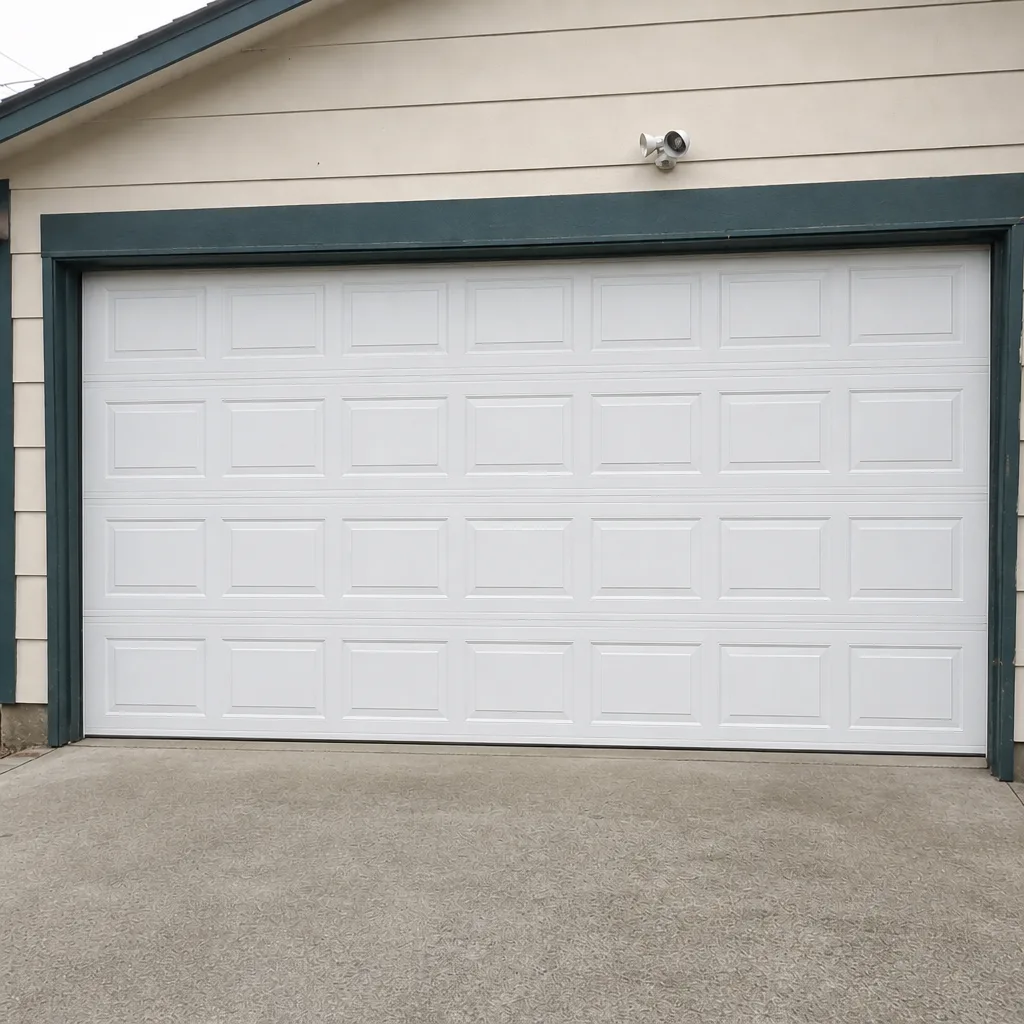
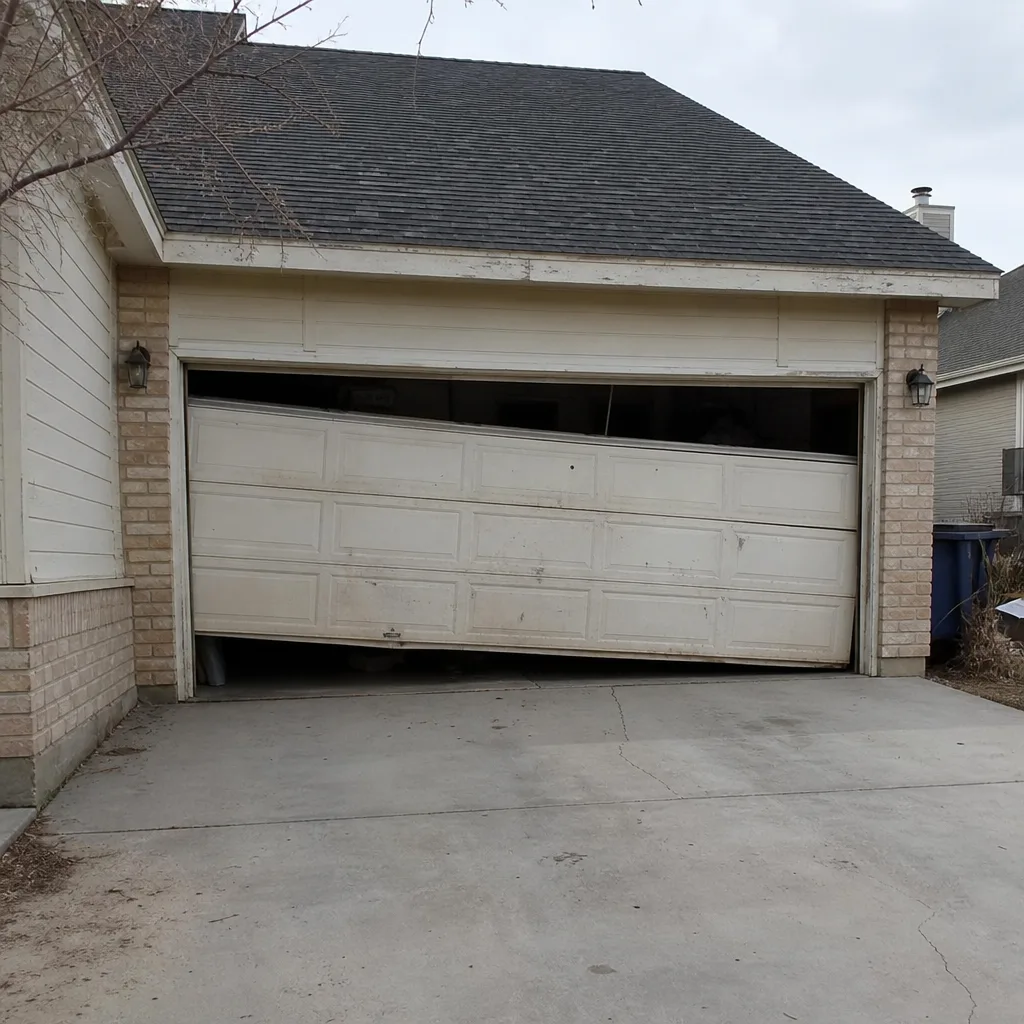
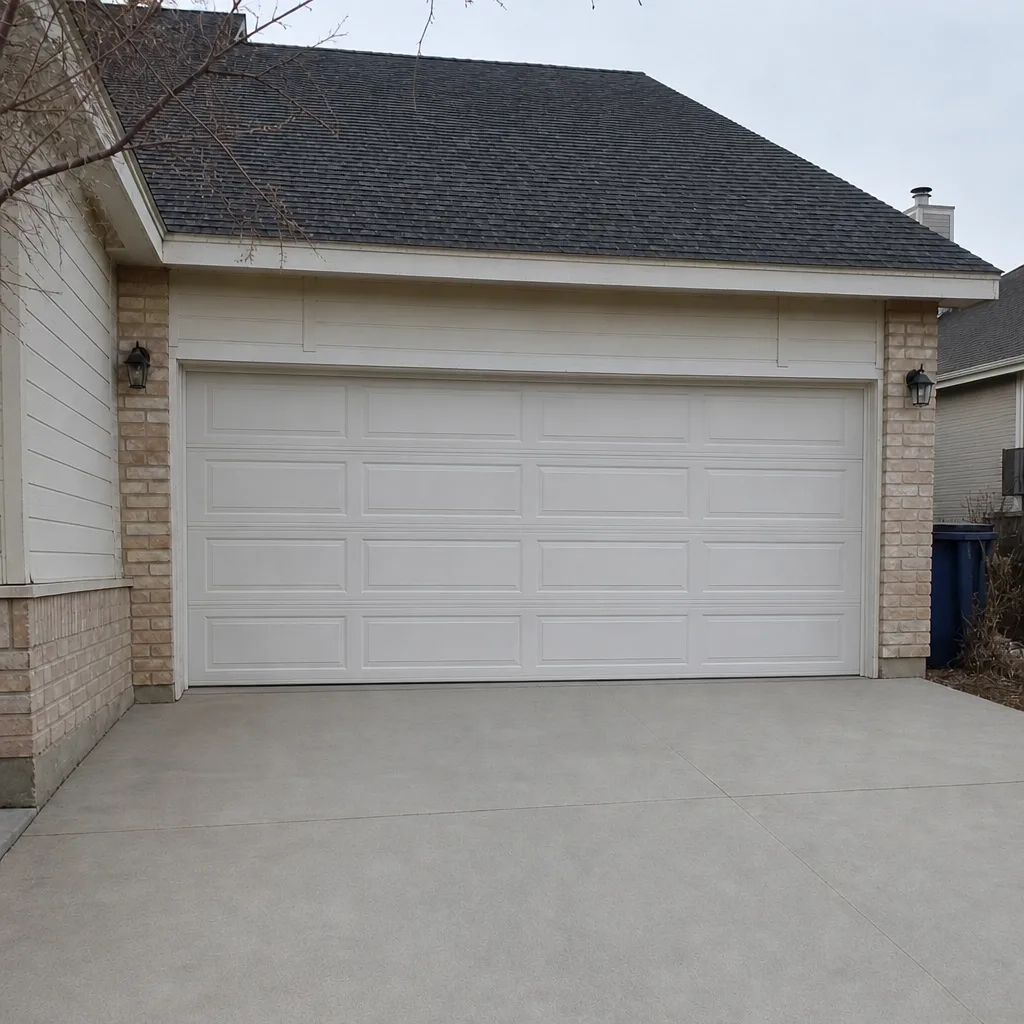
See the difference
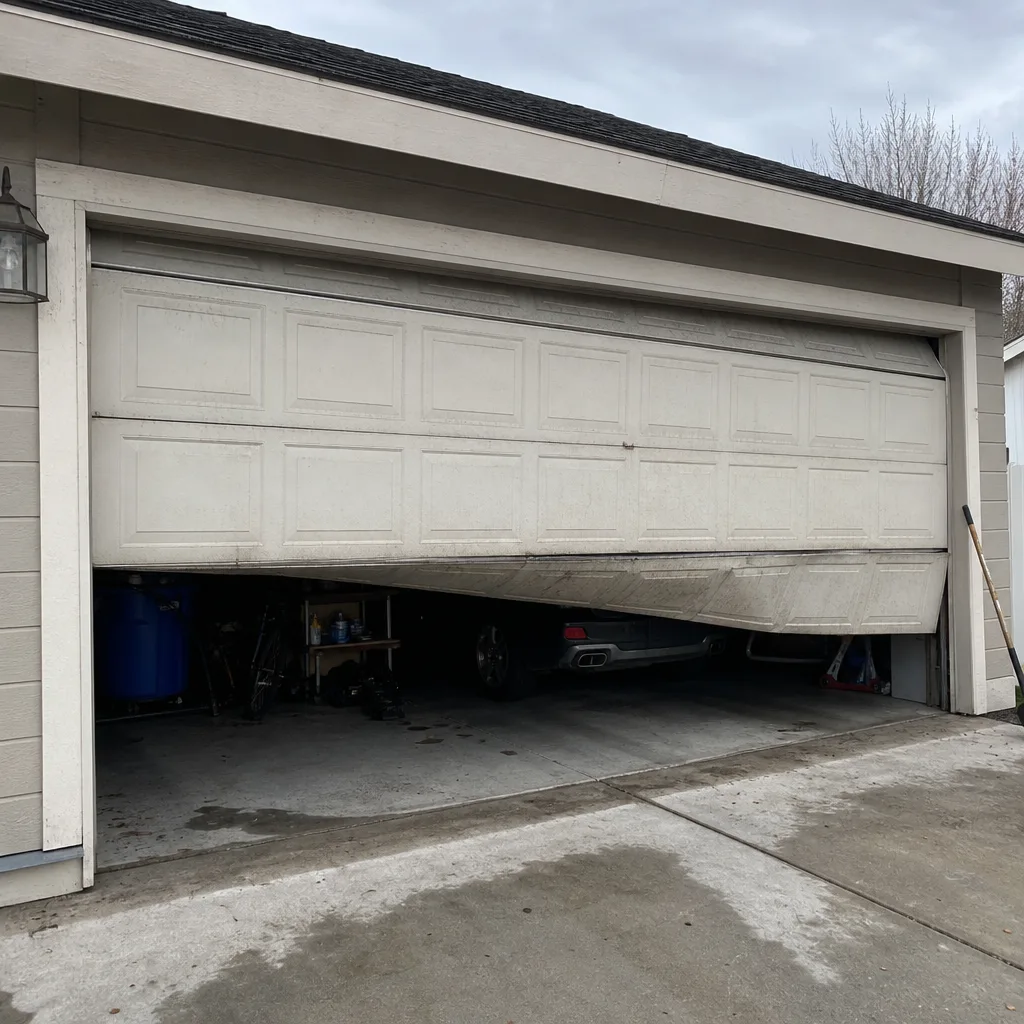 Before
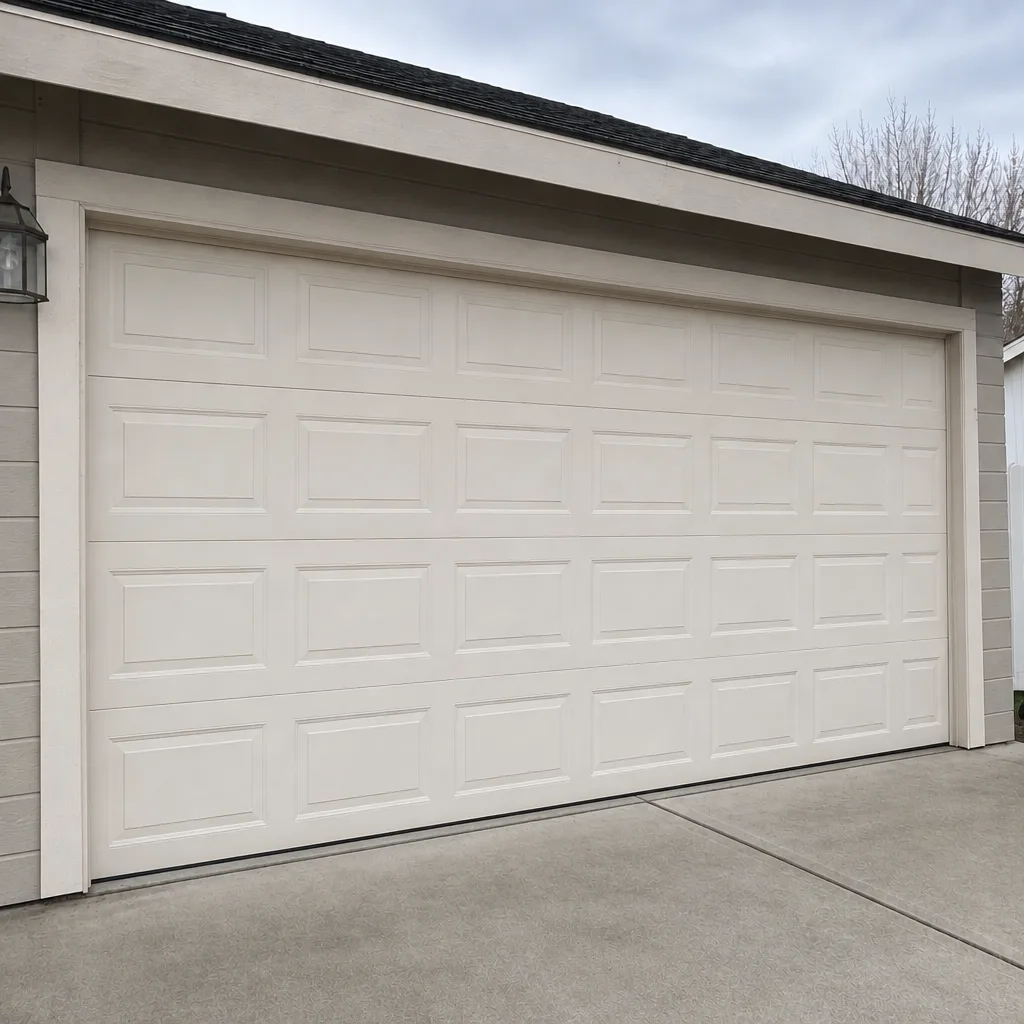 After
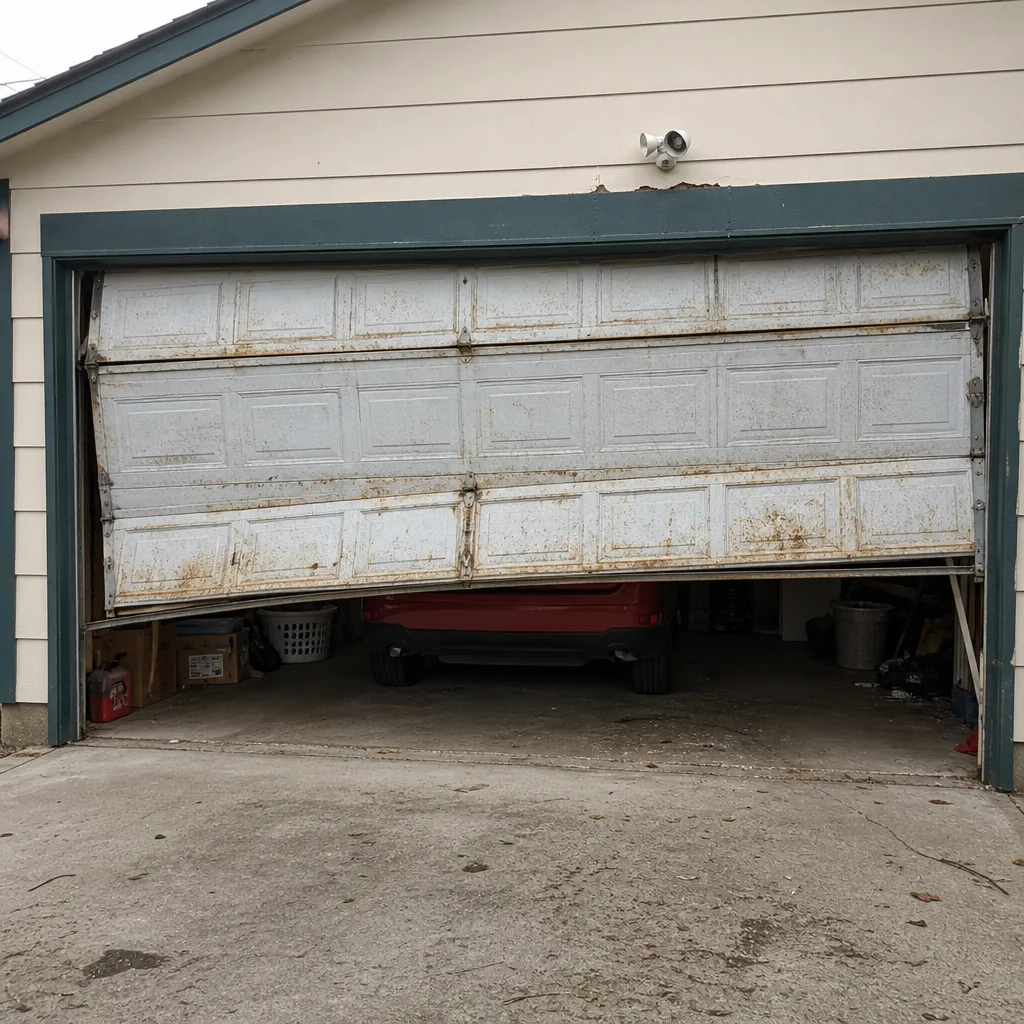 Before
 After
 Before
 After
Common Mistakes to Avoid
- Lubricating in summer instead of October. This is the most common timing error in Meridian. Applying lubricant months before the cold means it’s already thinned out by the time the freeze puts real stress on the springs.
- Spraying WD-40 on the tracks. It’s a solvent, not a lubricant, and it leaves tracks worse than they started. Tracks stay clean and dry.
- Using the wrong product for the part. A thin oil on a torsion spring won’t last the season; a heavy grease on a roller will collect grit. Match the product to the component.
- Skipping the balance test. It’s the fastest way to spot a spring that’s on its way out, and it takes under a minute.
- Ignoring a new noise. A door that’s gotten louder is telling you something changed. Treating it as normal lets a small problem grow into a breakdown.
- Adjusting springs or cables yourself. These parts are under high tension and belong to a trained professional. This is the one mistake that can cause real injury.
- Not keeping any record. Without a log, every service call starts from scratch, and small changes over a year are easy to miss.
When to Call a Professional
Call a professional any time the balance test fails, a spring shows a gap or looks stretched, a cable looks frayed or loose, or the door travels unevenly or rubs on one side. A new grinding or squealing noise that doesn’t clear up after lubricating is worth a look. And if the door has stopped working entirely, or the opener runs but the door doesn’t move, that’s a call rather than a maintenance item. Highland Garage Door Repair offers free estimates in Meridian; call (833) 361-4641, and we’ll tell you honestly whether a targeted repair solves the problem or a replacement makes more sense. Our technicians have up to 15 years of experience, and we’ve diagnosed every one of these failures before.
Frequently Asked Questions
Twice a year, timed to the seasons: a pre-winter session in October and a post-winter session in March. Add a 60-second visual check each month between them. That schedule fits Meridian’s temperature swings better than a generic spring-and-fall routine.
October. The goal is to have fresh lubricant on the springs before the first hard freeze in November, since that’s when the cold puts the most stress on the metal. August is too early, because the product has thinned out by the time it’s needed.
Yes for the safe parts: lubricating, cleaning, checking the seal, running the balance test, testing the safety reverse, and logging maintenance. No for anything involving springs, cables, or track alignment. Those parts are under high tension and should go to a trained professional.
No. WD-40 is a degreaser and light solvent, not a track lubricant, and using it on the tracks can leave them attracting grit and running worse. Keep tracks clean and dry, and use proper lubricants only on the parts that pivot.
Disconnect the opener with the release handle, lift the door halfway by hand, and let go. A balanced door should hold roughly where you left it. If it drops or rises on its own, the springs need attention, and that’s worth a professional visit.
For repair calls in Meridian, same-day service is often possible. Call (833) 361-4641. We answer 24/7. Fast dispatch from 7am to 7pm, Sunday through Friday. For a full replacement, we’ll schedule a visit to measure and give you a written price. Either way, the price is quoted and agreed before any work starts.
Call anyway. We answer 24/7, and a call outside dispatch hours is booked into the next opening, Sunday through Friday, 7am to 7pm.
The Bottom Line
Garage door maintenance isn’t complicated. It’s two real sessions a year, timed to Meridian’s seasons rather than a national calendar, plus a quick monthly check. October’s job is to lubricate and balance before the cold; March’s job is to find what winter wore down. Match the right lubricant to each part, keep WD-40 off the tracks, prioritize springs and balance over cleaning, and log it all with a photo and a date. That small habit of timing and record-keeping does more for your door’s life than any long checklist. When a balance test fails or a spring looks worn, call a professional rather than reaching for the tools yourself.
If your door is due for its seasonal session, or something’s been off since the last cold snap, call Highland Garage Door Repair at (833) 361-4641 for a free estimate. We’re a Meridian specialist across Meridian homes and the brands already installed in them, whether it’s repair, opener work, or a new door. We answer 24/7. Fast dispatch from 7am to 7pm, Sunday through Friday.
Written by the team at Highland Garage Door Repair.