
Last updated November 14, 2026
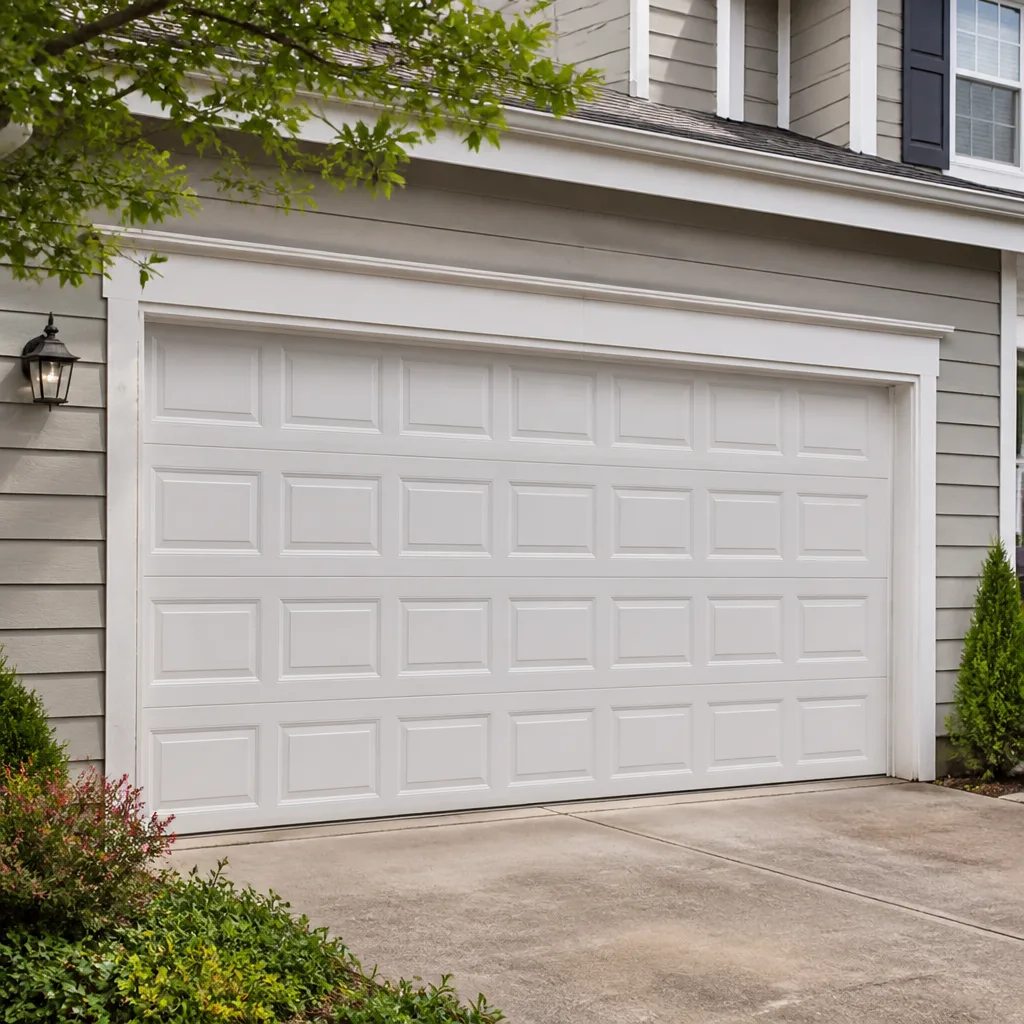 Raised-panel steel
 Carriage house
 Modern flush
 Full-view glass
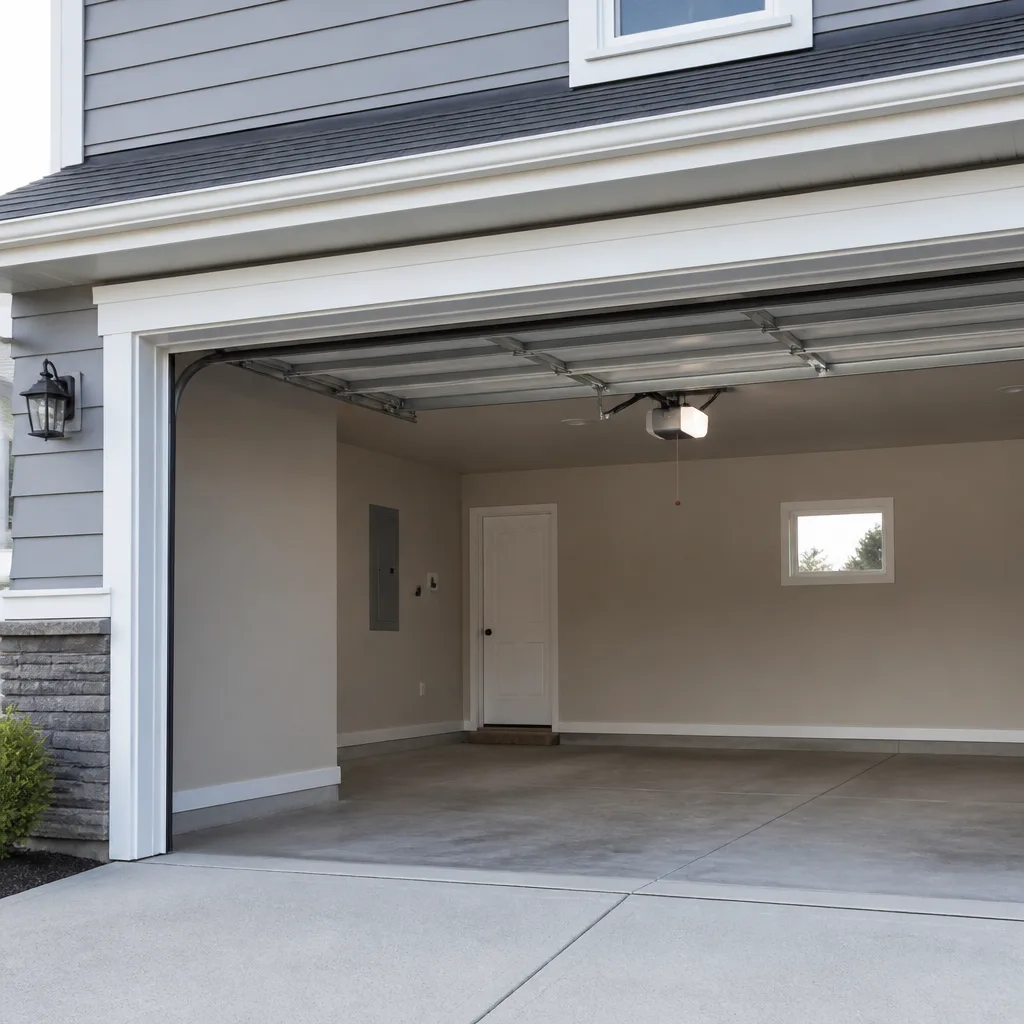 LiftMaster openers
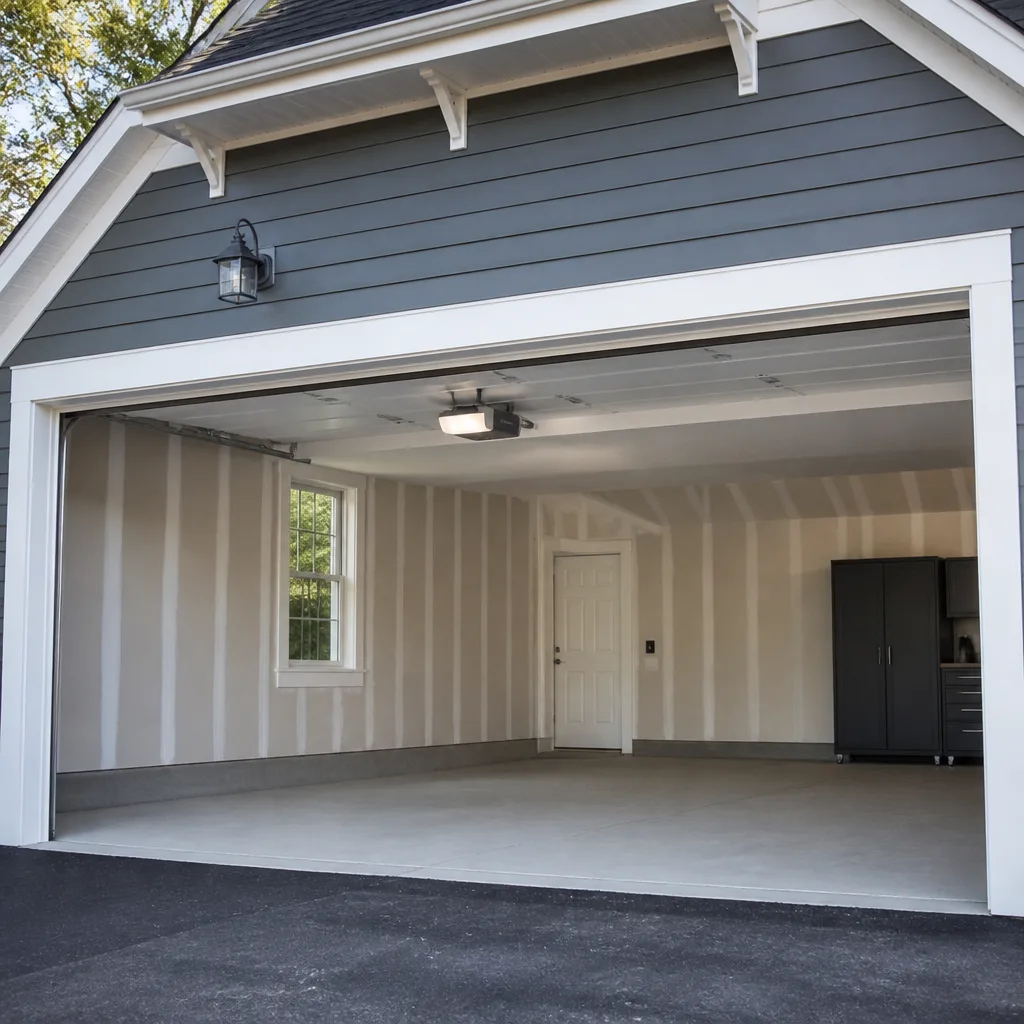 Chamberlain openers
Full 25-point door and opener safety check with every visit - springs, cables, rollers, tracks, and your LiftMaster or Chamberlain opener included
You get a price before we start. It does not change when the pro arrives.
Get your free estimateGarage Door Permits, Codes & Inspections in Meridian, ID: What You Need to Know
Swapping out a garage door panel never needs a permit. A full door and frame replacement on a finished garage in a Meridian HOA community might need three separate approvals before anyone touches a screw. Confusing the two is how homeowners end up with title problems they only discover at closing. Most people in Meridian assume garage door work sits outside the permit system entirely, and for the majority of repairs that’s true. But the moment a project crosses into structural framing, a wider opening, or new electrical for an opener, the rules change and the paperwork matters. This guide maps exactly where that line sits, who you file with, and what happens to a home sale when unpermitted work surfaces during inspection.
Quick Answer
In Meridian, ID, a straightforward garage door replacement (same size, same opening, no framing changes) is usually a non-permit project, while anything that alters the structure around the door, widens the opening, or adds new electrical circuits for an opener typically requires a city permit and inspection. Whether you file with Meridian or Ada County depends on which side of the city-limit line your home sits on, and HOA communities can add their own approval layer on top. When the door is failing and you need it working again, that’s a repair question and a different conversation entirely.
Styles & brands we work with
- Raised-panel steel
- Carriage house
- Modern flush
- Full-view glass
- LiftMaster openers
- Chamberlain openers
Table of Contents
- When a garage door project doesn’t need a permit
- The exact triggers that move a project into permit territory
- Meridian city limits vs. Ada County: who you actually file with
- The HOA layer in Meridian’s master-planned communities
- What “unpermitted work” means at resale in Idaho
- How to permit work a previous owner left unpermitted
- What a garage-related inspection actually checks
- New openers, new circuits, and the electrical question
When a garage door project doesn’t need a permit
Most garage door work in Meridian doesn’t touch the permit system. A like-for-like door replacement, a new opener on existing wiring, a spring or cable repair, panel swaps, roller and hinge replacement, track adjustments: none of these change the structure or the building’s electrical layout, so none of them trigger a permit. That covers the overwhelming majority of what homeowners actually call about.
The logic is simple once you see it. Permits exist to catch work that changes how a building is built, how it’s wired, or how it holds up under load. A door bolted to the same brackets in the same opening in the same way doesn’t change any of that. Different panel, different color, different brand: same opening, same structure, no permit.
Repairs that never need paperwork
- Replacing a broken torsion spring, extension spring, or cable
- Swapping rollers, hinges, bottom brackets, or weather seals
- Replacing a bent or noisy section with a matching panel
- Installing a new opener on existing, working receptacle wiring
- Adjusting travel limits, force settings, or safety sensors
- Replacing a bent track or a worn lift cable
If your door is failing and you’re not sure which camp you’re in, a repair-first approach is the right instinct. We work on LiftMaster and Chamberlain systems regularly, and when the door is simply not operating, the fix is technical, not structural, and no permit enters the conversation. That’s the garage door repair side of the work, and it covers far more than most people expect.
One thing worth saying plainly: even when no permit is required, high-tension springs and cables are genuinely dangerous to handle. They store serious force, and a spring that lets go under the wrong hands can do real harm. Leave those to a trained technician. The permit question is about structure and wiring; the safety question is separate and universal.
The exact triggers that move a project into permit territory
Three things reliably shift a garage door project from no-permit to permit-required in Meridian: structural header work, widening the opening, and new electrical. If your project includes any of them, you’re in permit territory and should expect an inspection before the work is signed off.
1. Structural header work
The header is the beam that carries the wall load above your garage opening. If it’s being replaced, altered, reinforced, or moved, that’s structural framing and it changes how the building holds up under load. This is the clearest permit trigger there is. It also comes up when a home has an oversized vehicle and the owner wants a taller opening, or when a sagging header is discovered during a door replacement.
2. Widening the opening
Cutting the opening wider removes wall framing and shifts load to new points. Widening an opening is a structural alteration, even though it looks like nothing more than a bigger door. New framing, a new header to span the wider gap, and re-tying the wall all around it. Permits apply.
3. New electrical for an opener
Adding a new receptacle or dedicated circuit to power a new opener, especially in a garage that never had one, is electrical work. That means a permit and an electrical inspection, separate from anything structural. If the garage already has a receptacle where the opener plugs in, swapping the opener itself on existing wiring doesn’t trigger a permit. The line is whether new wiring is being run.
Numbered summary: when you need a permit in Meridian
- Header work. Any replacement, reinforcement, or modification of the structural beam over the opening.
- Widening or raising the opening. Any change to the rough opening framing.
- New electrical circuits or receptacles for an opener where none existed.
- Full door and frame replacement where the frame itself is being rebuilt or repositioned.
- Any structural change to the walls around or above the door.
Notice what’s not on that list: door replacement, panel swap, opener swap on existing wiring, and every mechanical repair. Those stay out of the permit system. For advice on how to choose the best garage door company in Meridian, ask whether they’ll flag a permit trigger before work starts, which separates a specialist from a generalist.
Meridian city limits vs. Ada County: who you actually file with
This is where a lot of Meridian homeowners get stuck. Meridian sits inside Ada County, but the city runs its own building department, and which office you file with depends on which side of the city-limit line your property falls on. Homes near the boundary, especially toward the county edges, can sit in an area that looks like Meridian but is actually served by another jurisdiction for permits.
The practical answer: don’t guess. Before you file anything, confirm with the building department whose jurisdiction your address actually sits in. A property address that shows “Meridian, ID” can still be under county permitting for structural work depending on where the line runs. Filing with the wrong office wastes weeks and the work can be flagged later.
How to confirm your jurisdiction in four steps
- Look up your parcel on Ada County’s property records to see which taxing and permitting authority holds your address.
- Call the City of Meridian building department and give them the exact address and the scope of work.
- If they say it’s outside their jurisdiction, ask which office handles it and get that name in writing.
- Ask the permitting office directly whether the scope requires a permit, and note the name of the person who told you.
Meridian’s growth makes this more than a trivia question. New subdivisions pushing into county territory mean some homes sit right on the edge, and the office that issued the original building permit on your house may not be the one that handles your garage alteration. A quick call resolves it, and it beats discovering the problem at closing. For other permit-adjacent questions as a new resident, our guide on Meridian is a good starting point on how the city works.
One practical habit that saves trouble: keep every permit document, every inspection sign-off, and every receipt together in one folder. When you sell, that folder is proof the work was legitimate, and it answers questions before they become problems.
The HOA layer in Meridian’s master-planned communities
A city permit is not the end of the story in a master-planned community. Communities like Paramount, Bridgetower, and Trilogy sit under architectural committees and CC&Rs that can require their own approval before a door is changed, regardless of whether a city permit was needed. That’s a separate process from the city, run by the HOA, and it can add weeks and specific design requirements.
What HOAs typically want to see
- Architectural request form submitted before work begins, with photos of the existing door.
- Door style and color specification matching the community’s approved palette, which often means a specific model from a manufacturer like Clopay or Amarr.
- Contractor information including business name and contact for the application.
- Materials and finish details so the committee can confirm the visual fit with the streetscape.
- Timeline for when the work starts and finishes, so the project doesn’t drag on past the agreement.
When an HOA requires a specific door style, choosing the manufacturer matters. We work on Clopay and Amarr doors regularly, and matching an approved model to the existing opening footprint usually means a clean replacement with no structural change and therefore no city permit. Confirm the door style first, then confirm the permit question. Getting the order wrong means starting over with the architectural committee, and that’s the most common HOA hold-up we see in Meridian.
Three approvals that can stack in an HOA community
- HOA architectural approval for the style, color, and finish.
- City permit if the project crosses into structural or electrical territory.
- Contractor coordination to make sure the door delivered matches the style the committee signed off on.
Get all three lined up before the door is ordered. If the project stalls at any layer, the door can arrive before approval lands, and that’s a headache nobody wants. The HOA question is common enough that asking your community manager for the architectural request form is step one, well before choosing a door.
What “unpermitted work” means at resale in Idaho
In Idaho, a seller is required to disclose known defects and known conditions that affect the property’s value or use, and unpermitted structural or electrical work falls into that territory. When a home inspection turns up structural alteration around a garage that has no permit record, it becomes a disclosure question, and the negotiation stops being about the door.
This matters more than people expect because garage door work often gets done informally. A previous owner widens an opening to fit a taller vehicle, a contractor adds a receptacle without pulling a permit, a header gets reinforced by a neighbor who “knows what he’s doing.” None of that leaves a paper trail. When the home sells, an inspector who spots the signs asks for documentation that doesn’t exist.
How unpermitted work surfaces at resale
- The buyer’s inspector notices framing changes around the opening that don’t match the original building permit.
- The title company’s records show a permit was pulled but never inspected or signed off.
- The buyer’s lender asks for documentation on recent structural work, which the seller can’t produce.
- The HOA’s records can’t confirm architectural approval was ever given.
None of these are fatal to a sale. But they can delay closing, force a retroactive permit, or trigger a price negotiation. In Meridian’s active resale market, buyers and their agents ask for paperwork more often than sellers expect, and unpermitted garage work is one of the easiest things to catch.
What disclosures typically cover
Idaho’s residential seller disclosure requirements are about known conditions, not a full history of every permit. But structural work you know about and never permitted is a known condition. If the seller did the work themselves and knows it lacks a permit, the honest answer is to disclose it and be ready to permit it retroactively. That’s better than having the buyer discover it post-inspection, which puts the seller on the defensive in negotiation.
For anyone thinking ahead to a sale, the cleanest position is simple: if the work required a permit, have the record on file. If it didn’t, keep a record of the work anyway, with the date and the scope, so an inspector’s question has an answer.
How to permit work a previous owner left unpermitted
Retroactive permitting comes up more often in Meridian than homeowners expect, mostly because of the pace of resale here. A home that changed hands during the boom can carry structural garage work from a previous owner with no permit record. When that lands in your lap, the path to fixing it is straightforward, even if it takes a few weeks.
The retroactive permit process
- Confirm the jurisdiction. Call the City of Meridian building department (or the county office if you’re outside city limits) and describe the work already done.
- Ask what documentation is required. Most offices want a description of the scope, and some want structural drawings or photos of the existing framing.
- File the retroactive permit with the scope of work already completed.
- Schedule the inspection. An inspector reviews the work as-built and either signs it off or flags what needs to be corrected.
- Correct any flagged items. If the framing doesn’t meet current load requirements, the inspector may require reinforcement before sign-off.
- Keep the signed permit on file. That document is proof the work is now legal and recorded.
The cost of a retroactive permit is usually modest compared to the headache it prevents. What matters is starting early. If you’re planning to sell in the next year and you suspect your garage carries unpermitted work, start the process now. Trying to clear a permit during a closing timeline is where the real stress shows up.
When a retroactive permit turns into a rebuild
Sometimes the as-built work is fine and the inspector signs off. Other times the work doesn’t meet current requirements and has to be corrected. A garage opening that was widened without adequate header support is the classic example. In that case, the retroactive permit becomes a repair project, and the door and framing need to come apart to bring the structure into compliance. That’s a structural job, not a door job, and it’s why confirming the framing before you file saves time.
If you’re staring at a garage door issue right now and don’t yet know if the framing is sound, our team can help diagnose what’s actually happening. Highland Garage Door Repair works on the mechanical side of that conversation every day, and we can tell you when the problem is a door and when it’s the structure. If the door needs an opener fix, that’s garage door opener repair, and it doesn’t touch the permit system at all.
What a garage-related inspection actually checks
A garage-focused inspection, whether it’s part of a building department sign-off or a pre-sale home inspection, checks structural integrity, anchoring, safety devices, and electrical connections. It’s not looking at whether your door is pretty. It’s looking at whether the door, its framing, and its opener would fail in a way that matters.
The core inspection checklist
- Header and framing. Checked for sagging, improper spans, or signs of unpermitted alteration.
- Anchor plates and bolts. Garage door tracks are anchored to framing, and loose or missing anchors are a red flag.
- Springs and cables. Inspected for breaks, wear, and correct installation.
- Safety sensors. The reversing sensors at the bottom of the door must respond correctly.
- Opener force and travel limits. The opener must reverse under load and stop within its programmed travel.
- Electrical connections. New wiring and receptacles checked for permit and code compliance.
- Door balance. The door should stay at the halfway point when lifted manually, indicating springs are properly matched to door weight.
What a garage inspection does not check is paint, aesthetics, or door brand. The inspectors are looking at whether the door fails safely or dangerously. When you’re buying in Meridian and the inspector flags garage issues, the useful next step is a specialist who can tell you whether it’s a simple repair or a larger structural story.
A note on safety sensors and codes
Garage door safety devices need to work on every operating door with an automatic opener. Sensor failures are one of the most common things we see and one of the easiest to fix. If your sensors have a broken wire, a misaligned lens, or an intermittent connection, a specialist can diagnose and correct it. Modern LiftMaster and Genie units have specific sensor requirements and mounting conventions, and getting those right is part of the job.
New openers, new circuits, and the electrical question
A new opener plugged into an existing receptacle is a swap. A new opener wired to a new circuit is electrical work. That distinction determines whether an electrical permit and inspection enter the picture. In Meridian, as elsewhere, adding a dedicated circuit to a garage is real electrical work, and it should be permitted and inspected.
The confusion comes up when a homeowner is upgrading to a smart-compatible opener and has no receptacle near the mounting point. Running a new line becomes part of the project, and that changes the permit question. The opener itself isn’t the issue; the wiring is.
Two scenarios, two permit answers
- Swap only. Old opener out, new opener in, plugged into the same working receptacle. No new wiring. No permit.
- Swap plus new circuit. A new receptacle or dedicated circuit is installed to power the new opener. Electrical permit and inspection required.
Every garage door project in Meridian starts with the same question: what exactly is changing? If the answer is “just the door or the opener,” you’re in repair territory. If the answer involves the framing, the opening, or new wiring, you’re likely in permit territory. Walking through that scope before ordering anything is the single most useful step you can take.
Smart openers and code
Newer openers with smart-home compatibility from brands like Chamberlain and Genie still need the same safety devices as mechanical units, and the installation must meet the same force and reversing requirements. The smart features don’t change the code; they change the convenience. Making sure the unit is wired correctly and the safety systems work is where a specialist adds value beyond a generalist installer.
When we diagnose an opener that isn’t responding, the fix is usually a sensor, a limit setting, or a connection, not a new circuit. Our technicians have up to 15 years of experience and can sort out whether the problem is the unit, the wiring, or the door itself. If the door isn’t moving because the springs are shot, it’s the door. If the door moves but the opener won’t, it’s the opener. Two different diagnostics, same visit.
Common Mistakes to Avoid
- Assuming the door brand dictates the permit. The brand is irrelevant; the scope of work is what matters. A Clopay door installed in the existing opening needs no permit, while any brand installed with a widened opening does. Think in scope, not brand.
- Filing with the wrong office. Homes near Meridian’s city-limit edges can have permits handled by Ada County rather than the city. Confirm your jurisdiction before filing, or the whole submission goes nowhere.
- Skipping the HOA step in master-planned communities. In communities like Paramount, Bridgetower, and Trilogy, architectural approval is separate from the city permit, and skipping it means starting over with the door manufacturer.
- Running new opener wiring without an electrical permit. This is a common shortcut and one that comes back at inspection or resale. If new wiring is being run, permit it.
- Thinking the inspection is a formality. Inspectors catch real issues, especially around header and anchor integrity. Treat the inspection as a useful check, not an obstacle.
- Ignoring unpermitted work when you buy. If you’re purchasing a Meridian home and the garage shows signs of structural alteration without a paper trail, get disclosure or get a retroactive permit as part of the deal.
- Doing the spring or cable work yourself to save the permit question. There’s no permit for spring work, but there is a serious safety risk. Leave high-tension spring and cable work to a trained technician. The consequence of a mistake is not a failed inspection.
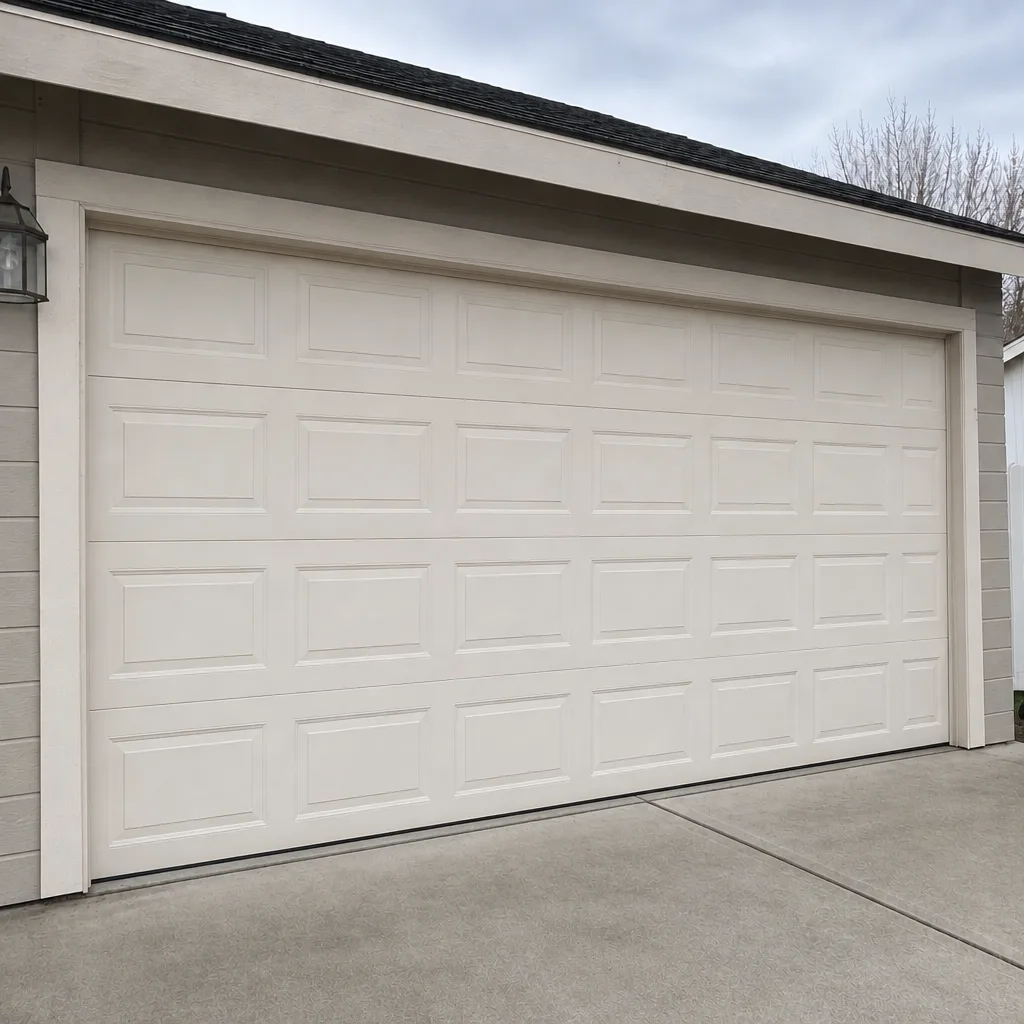
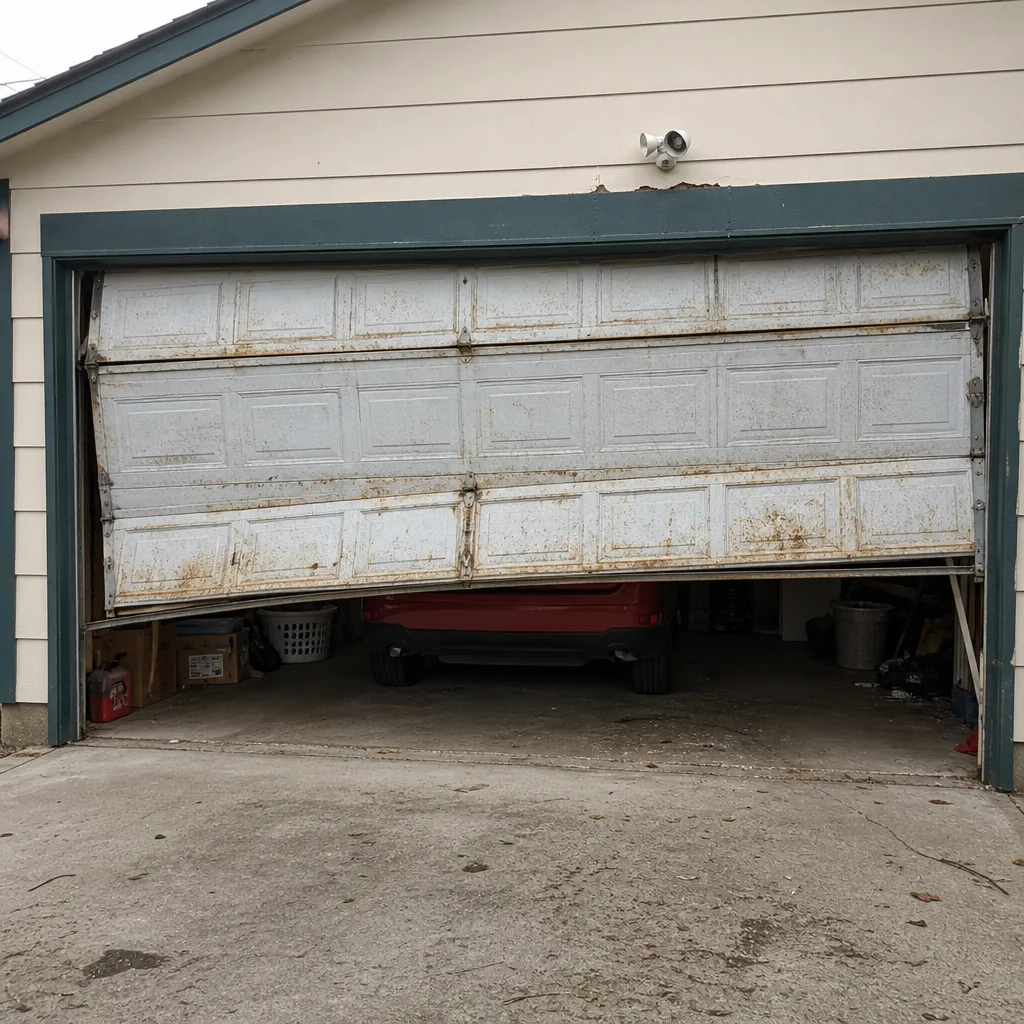
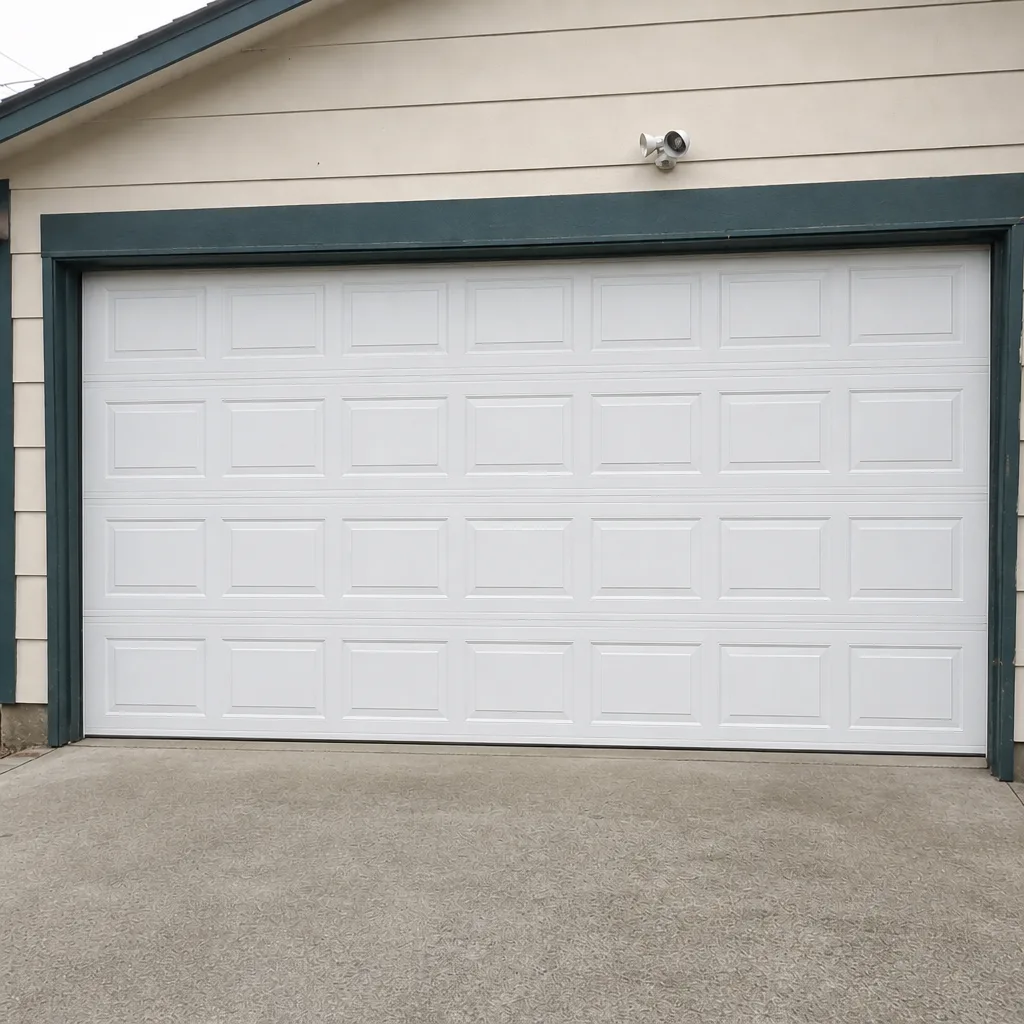
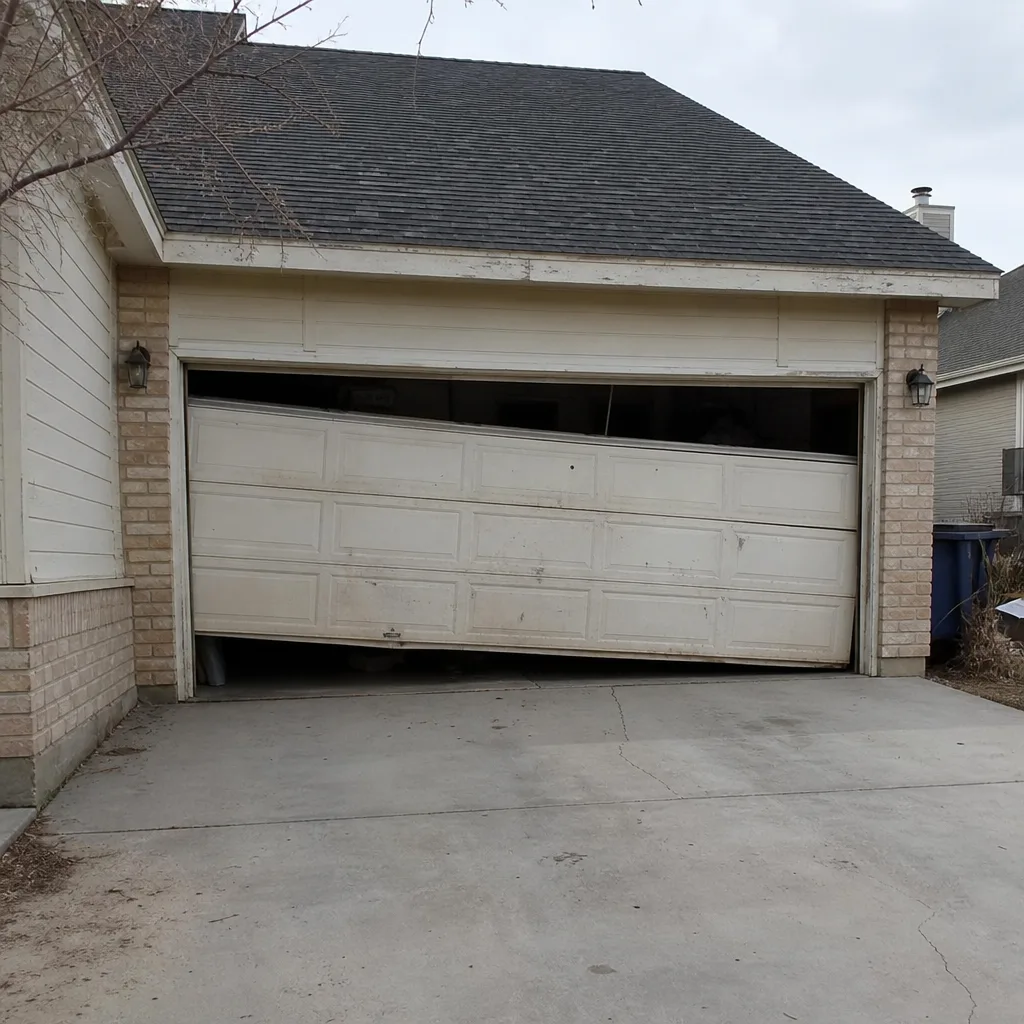
See the difference
 Before
 After
 Before
 After
 Before
 After
When to Call a Professional
Call a professional when any of these applies: the door won’t open or close and you can’t identify why, a spring or cable has snapped or is audibly failing, the door is unbalanced and drops or resists at points in its travel, the opener reverses unexpectedly or won’t respond to the remote, or the door has been struck and the tracks show visible bends. Any of those is a diagnostic job for a specialist, not a permit question, and a generalist handyman is the wrong call for all of them. Garage doors are the only trade we work on, which means we diagnose faster and more accurately than a crew that splits its attention across plumbing and HVAC. Highland Garage Door Repair offers free estimates in Meridian and can tell you in one visit whether you’re facing a repair, an opener fix, or a bigger scope. Call (833) 361-4641. We answer 24/7, with fast dispatch from 7am to 7pm, Sunday through Friday.
Frequently Asked Questions
In most cases, no. A like-for-like replacement in the same opening, with the same size and no structural changes, is a non-permit project in Meridian. You need a permit only when the project crosses into structural framing changes, opening width changes, or new electrical work. Call (833) 361-4641 for a free estimate to confirm your scope before you order a door.
Three things: structural header work, widening or raising the opening, and new electrical circuits or receptacles for an opener. Any of those three means a permit and an inspection. Door replacement, panel swaps, spring and cable repairs, and opener swaps on existing wiring do not require a permit. If the price you’ve been quoted is for a repair, the permit question shouldn’t come up at all. Call (833) 361-4641 to talk through your scope.
It depends on your address. Meridian has its own building department, but homes near the city-limit boundary can fall under Ada County permitting for structural work. Confirm your jurisdiction with the office before you file, and get the answer in writing. It’s a two-minute call that prevents weeks of confusion.
Yes, in most master-planned communities. HOAs in areas like Paramount, Bridgetower, and Trilogy typically require architectural approval for door style, color, and finish, separate from any city permit. Submit the architectural request before ordering the door so the style that arrives is the one the committee approved. Ask your community manager for the form first.
It has to be disclosed as a known condition, and it can delay closing or force a price negotiation. Idaho’s seller disclosure rules cover known structural and electrical conditions, so unpermitted garage work that changes the structure is a disclosure item. The clean fix is a retroactive permit before you list, so the buyer’s inspector has documentation to review. Call (833) 361-4641 if you need help identifying whether the issue you’ve got is structural or mechanical.
Yes. Retroactive permits are common in Meridian’s resale market. You file the permit describing the work already completed, schedule an inspection, and correct anything the inspector flags. If the as-built framing doesn’t meet current requirements, you may need to bring it into compliance, which turns the permit into a repair project. Start early if a sale is on the horizon.
The Bottom Line
The permit question for garage doors in Meridian comes down to scope. Most repairs and many replacements require no permit at all. Structural header work, opening changes, and new electrical for openers do, and the paperwork goes to the right office, which isn’t always the city. HOA communities add their own approval layer on top, and unpermitted structural work becomes a resale issue the moment a buyer’s inspector spots it. Check your jurisdiction, confirm your scope, and keep the documents together. If your door needs a repair rather than a permit, Highland Garage Door Repair can help, with free estimates and the brand fluency to work on what you already have. Call (833) 361-4641. We answer 24/7, with fast dispatch from 7am to 7pm, Sunday through Friday, and every price is quoted and agreed in the written estimate before any work begins.
Written by the team at Highland Garage Door Repair.