
Last updated November 14, 2026
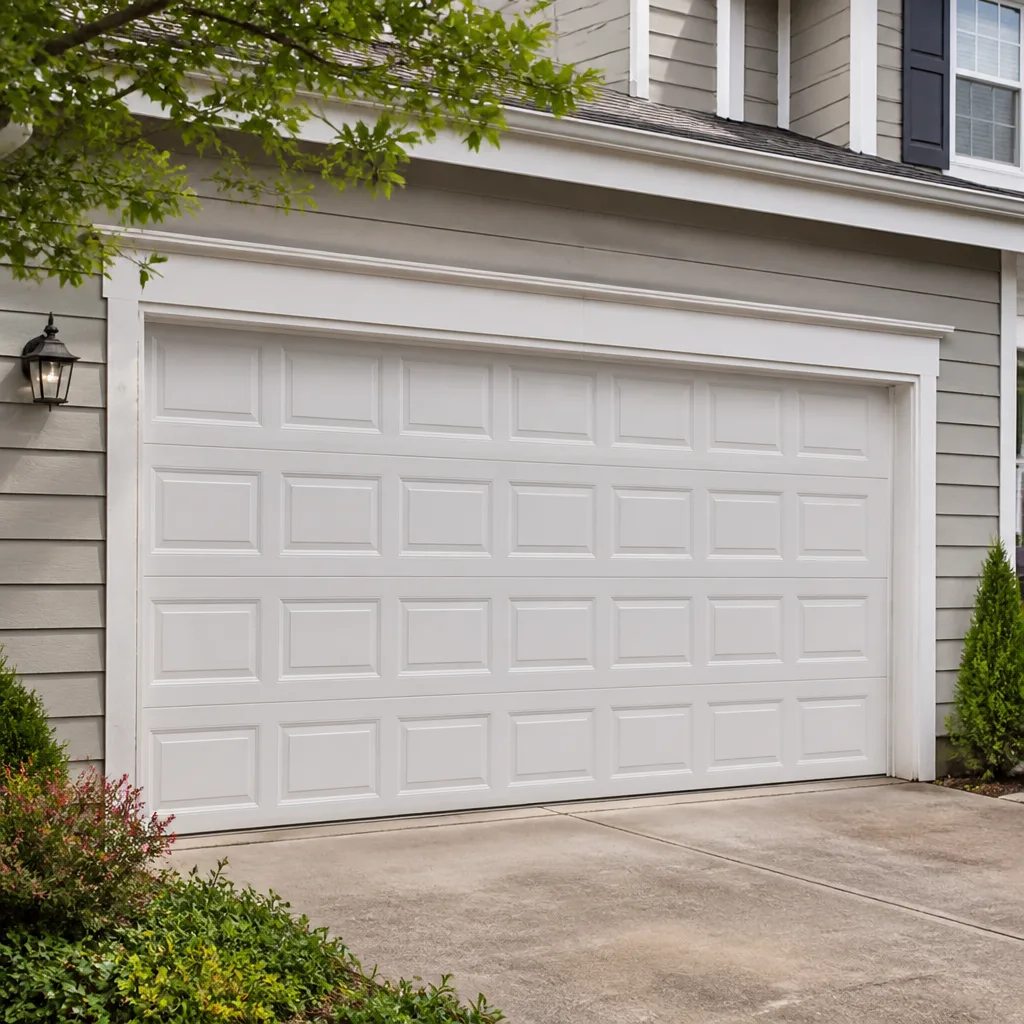 Raised-panel steel
 Carriage house
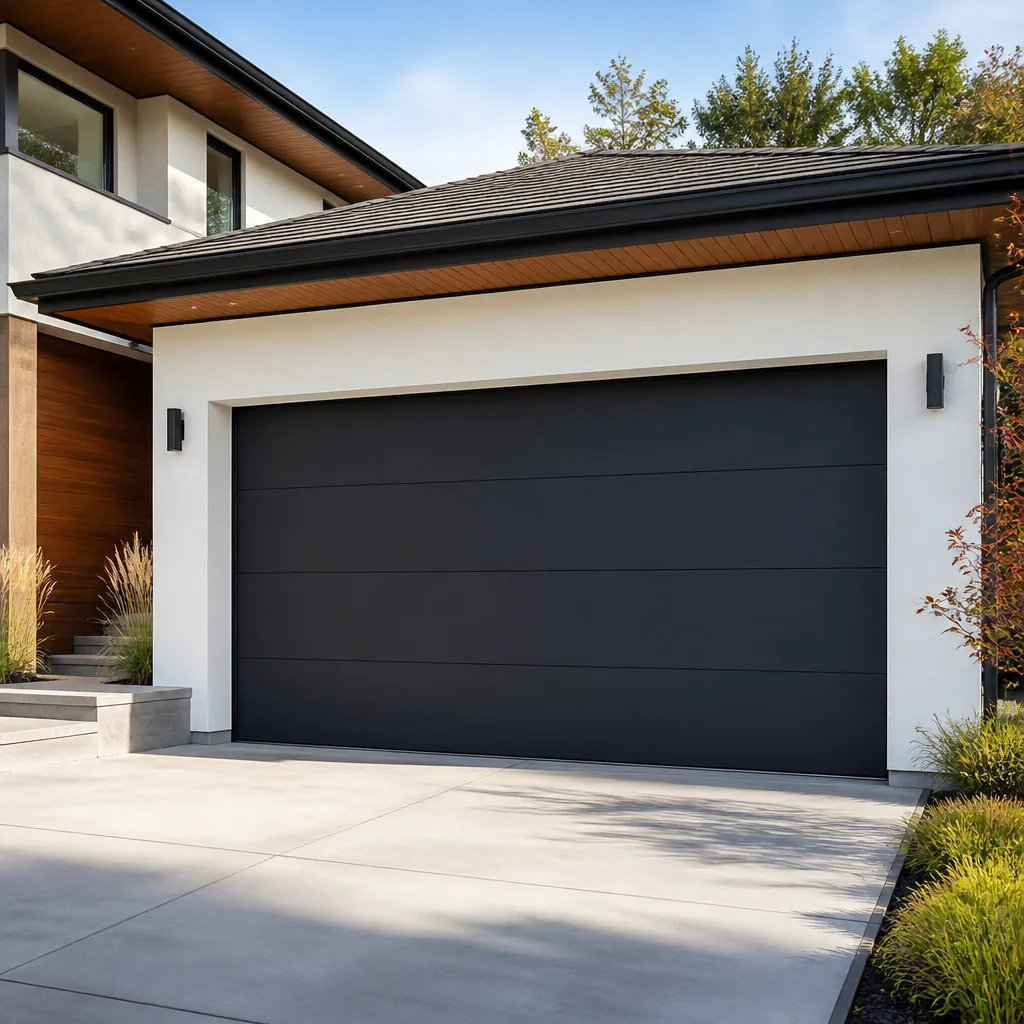 Modern flush
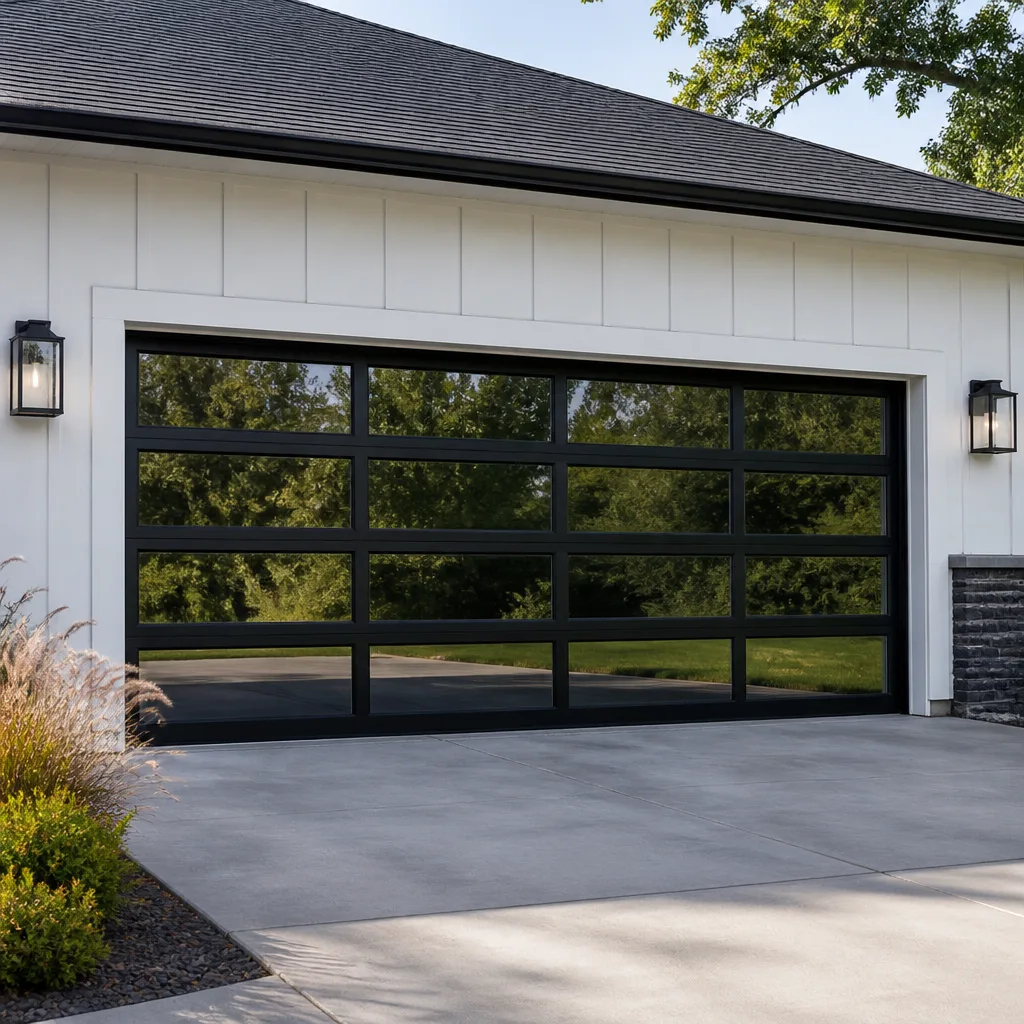 Full-view glass
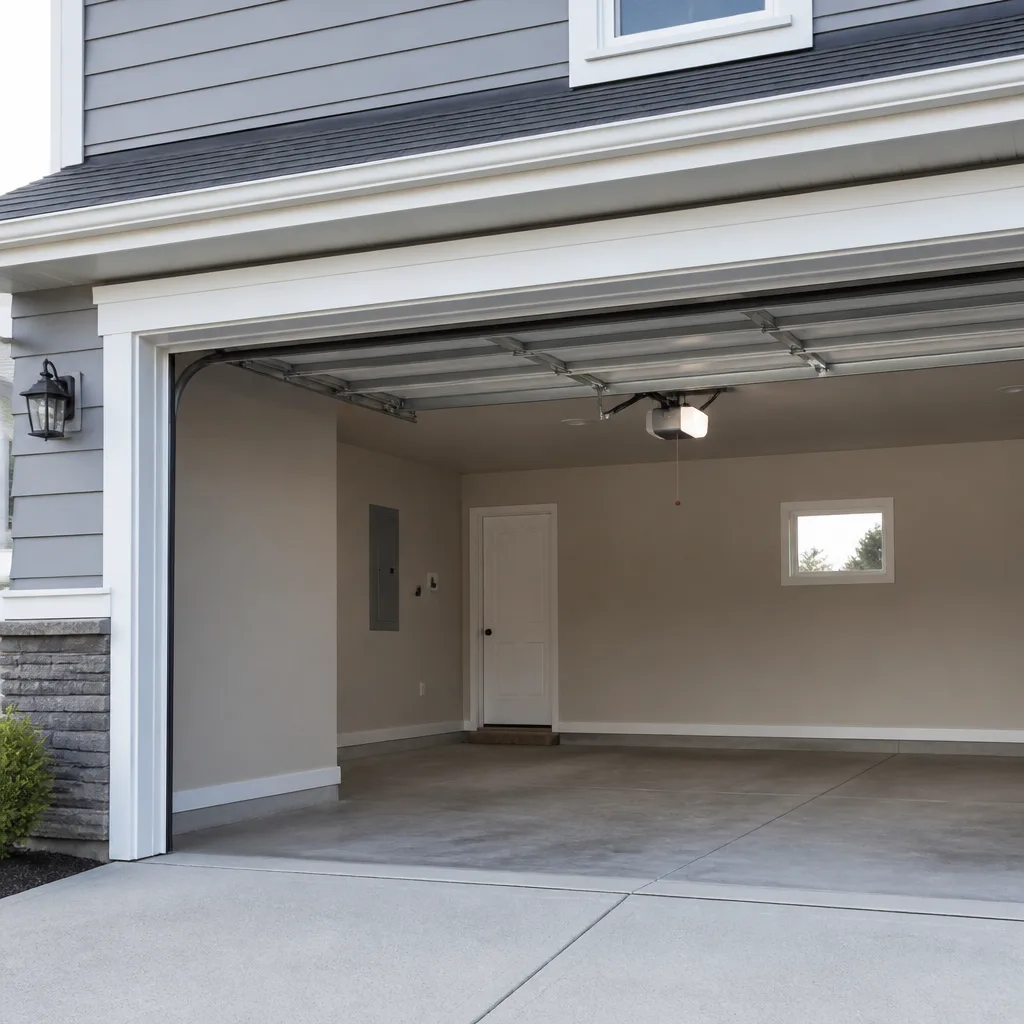 LiftMaster openers
 Chamberlain openers
Full 25-point door and opener safety check with every visit - springs, cables, rollers, tracks, and your LiftMaster or Chamberlain opener included
You get a price before we start. It does not change when the pro arrives.
Get your free estimateGarage Door Repair Maintenance Checklist for Meridian Homeowners
The biggest cause of early garage door failure usually isn’t a snapped spring or a dead opener. It’s lubrication that never happened, because most homeowners were never told which parts actually need it and which parts should stay dry. The second biggest is a bottom seal left to rot against soil and weather that wear it out faster here than in wetter parts of the country. This guide walks through both. You’ll get a maintenance checklist built for Meridian conditions, tests you can run yourself, and clear lines for when a task has turned into a repair that belongs with a specialist.
Quick Answer
A solid garage door maintenance routine in Meridian means lubricating the springs, hinges, rollers, and bearings a few times a year, keeping the tracks clean and dry, checking the bottom seal for dust and grit damage, and running a balance test and a reversal test every month. Most of this takes under twenty minutes and prevents the repairs that cost the most. Skip it, and alkaline dust, freeze-thaw swings, and summer UV will do the wearing for you.
Styles & brands we work with
- Raised-panel steel
- Carriage house
- Modern flush
- Full-view glass
- LiftMaster openers
- Chamberlain openers
Table of Contents
- Why Meridian Conditions Wear a Garage Door Differently
- What to Lubricate and What to Leave Alone
- Monthly Checklist
- Twice-Yearly Checklist
- Annual Checklist
- The Balance Test and Reversal Test, Explained
- Seals and Weatherstripping in a Dry, Dusty Climate
- When a Maintenance Task Becomes a Repair
Why Meridian Conditions Wear a Garage Door Differently
National maintenance guides are written for an average climate that doesn’t exist anywhere in particular. Meridian has its own set of stressors, and they hit garage doors in ways the generic advice doesn’t account for. The first is dust. Alkaline soil and the fine grit it produces settle on tracks, rollers, and seals, and that grit acts like sandpaper every time the door moves. A roller that would glide for years in a damp climate can start grinding here in a fraction of that time if the tracks aren’t kept clean.
The second is freeze-thaw. Winters here swing above and below freezing repeatedly, and that cycle works on every seal, every hinge, and every moving joint. Metal contracts and expands, rubber stiffens and softens, and small gaps open where water can sit and refreeze. The third is summer UV. Long, bright summers break down rubber and vinyl faster than most homeowners expect, which is why a bottom seal that looked fine last spring can be cracked and brittle by fall.
Put those three together and the maintenance priorities shift. Cleanliness matters more here than in wetter regions, because grit does the damage. Seal inspection matters more, because UV and freeze-thaw age them faster. And lubrication matters more, because dry, dusty conditions strip it away sooner. A checklist tuned to Meridian conditions isn’t busywork. It’s the difference between a door that lasts and one that keeps calling for repairs.
What to Lubricate and What to Leave Alone
This is where most guides get it wrong. They say “lubricate your garage door” and leave it there, so homeowners either grease everything or grease nothing. The truth is specific. Three groups of components need lubrication, and two should stay dry.
Lubricate these:
- Extension and torsion springs. A light coat keeps coils from binding against each other and quieting the door as it moves.
- Hinges. A drop at each pivot point keeps the metal moving freely instead of grinding.
- Rollers and their bearings. The stems and bearing surfaces benefit most, not the roller face itself.
Leave these alone:
- The inside of the track. This is the single most common mistake. Grease in the track attracts dust and grit, which then packs into the rollers and turns a smooth glide into a grind. Tracks should be wiped clean and left dry.
- The opener rail and the photo-eye lenses. The rail doesn’t need grease, and anything on the lenses can interfere with the safety beam.
Use a garage-door-specific spray lubricant, not cooking spray, not motor oil, and not heavy grease. A lithium or silicone-based product that stays where you put it and doesn’t collect dust is the right choice. Apply a light coat, wipe off any excess, and run the door up and down once so the lubricant spreads. Do this roughly every three to four months, and more often if you notice the door getting louder.
Safety note: torsion springs and the cables attached to them are under extreme tension and can cause serious injury if handled. Lubricating the surface of the coils is safe. Tightening, adjusting, or replacing a spring or cable is not a homeowner task, and we strongly recommend leaving it to a trained technician.
Monthly Checklist
A monthly walk-around takes about ten minutes and catches most problems while they’re still cheap to fix. Here’s what to do, in order.
- Listen to the door. Open and close it once and pay attention to the sound. A steady hum is normal. Grinding, squealing, or a bang means something needs attention.
- Run the balance test. Close the door, then pull the release handle to disconnect the opener. Lift the door halfway by hand. A balanced door stays put. One that drifts down or slams up is out of balance.
- Run the reversal test. With the door open, place a small object like a roll of paper towels in its path and close it. The door should reverse on contact. If it doesn’t, the opener needs adjustment.
- Wipe the tracks. A dry cloth through each track removes the grit that grinds rollers. Don’t add lubricant afterward.
- Check the bottom seal. Look for cracks, tears, or grit packed into the rubber. This seal is your first line of defense against dust and drafts.
- Look at the hinges and rollers. Any loose screws, wobbling rollers, or visible rust deserve a closer look before they become a repair.
Our technicians have up to 15 years of experience, and in that time we’ve seen the same pattern over and over: the doors that get a monthly walk-around are the ones that rarely need emergency repairs. If any of these steps turn up a problem you can’t fix with a screwdriver, that’s the point to call a specialist.
Twice-Yearly Checklist
Twice a year, at the start of spring and again before winter sets in, go deeper. These checks catch the wear that monthly rounds miss.
- Lubricate everything on the list. Springs, hinges, rollers, and bearings get a fresh coat. This is also the time to check that old lubricant hasn’t turned gummy and wiped it away first.
- Inspect the cables. Look for fraying, kinks, or rust along the length of each cable. Frayed cables are a safety issue and should be replaced by a technician.
- Check the weatherstripping around the door frame. The perimeter seal takes the full force of summer UV and winter freeze-thaw. Look for gaps, hardening, or sections pulling away from the frame.
- Test the auto-reverse and safety sensors. Confirm the photo-eye beam is clean and aligned by waving a hand through it while the door is closing.
- Tighten loose hardware. Bolts and screws work their way loose with vibration, especially at hinges and the opener bracket.
- Look at the door panels. Any new dents, cracks, or rust spots deserve attention before they spread.
We work on LiftMaster and Craftsman openers regularly, and both reward this twice-yearly attention. The mechanical parts wear more predictably when they’re lubricated, and the electronic safety systems stay reliable when you test them. If you’re seeing a problem with the opener during your inspections, opener repair is usually a faster fix than replacement.
Annual Checklist
Once a year, do the full walk-through and add the checks that matter most for long-term health.
- Full lubrication sweep with a garage-door-specific product on every moving joint.
- Full balance and reversal test with the pass/fail criteria below.
- Complete bottom seal inspection for UV damage, cracks, and grit packed against the door.
- Track alignment check. Both tracks should be plumb and parallel. A door that rubs or shimmies is a sign of misalignment.
- Hardware audit. Every bolt, screw, and hinge gets checked. Replace rusted or stripped screws.
- Opener inspection. Check the drive belt or chain tension, and test the manual release.
- Door panel review. Panels, joints, and the frame get a careful look.
The annual checklist is also a good time to think about the door’s overall condition. If you’re running through the list and finding the same items need attention every year, that’s a signal worth acting on. Replacement is worth considering when repairs start repeating. We’re happy to give a free estimate so you can compare the cost of another repair against a new door. When a full replacement makes more sense, Meridian homeowners can count on us for the installation too.
The Balance Test and Reversal Test, Explained
These two tests are the easiest way to catch a problem before it becomes an expensive repair. Here’s how to run them and what to look for.
The balance test tells you whether the springs are still doing their share of the lifting.
- Close the door fully and disconnect it from the opener using the release handle.
- Lift the door halfway up by hand and let go.
- Pass: the door stays put or drifts only slightly.
- Fail: the door falls or rises on its own. Springs that are wearing out, or an out-of-balance door, will show up here.
The reversal test tells you whether the opener’s safety system is working.
- With the door open, place a small object in its path.
- Close the door using the remote or wall button.
- Pass: the door reverses as soon as it meets the object.
- Fail: the door keeps going, or the beam doesn’t register. That’s an opener problem to look at right away.
Both tests take under five minutes. Run them monthly and you’ll know the state of your door and opener before anything breaks. If either test fails twice in a row, stop and get it looked at.
Seals and Weatherstripping in a Dry, Dusty Climate
Bottom seals and perimeter weatherstripping take the worst of Meridian conditions. The bottom seal sits directly against the slab, where alkaline soil and dust do their slow work. The perimeter seal faces summer UV and winter freeze-thaw. Together they keep out dust, drafts, and pests, so when they fail, you notice it inside the garage first.
What to look for:
- Hardening. A seal that used to flex like rubber but now feels brittle has lost what makes it seal.
- Cracks and tears along the bottom edge or the sides of the door.
- Gaps between the seal and the floor, or between the weatherstripping and the frame.
- Packed grit in the seal channels. This is a Meridian-specific issue worth checking every few months.
- Daylight visible around the closed door.
Replacing a bottom seal is one of the cheapest repairs on a garage door and one of the most worthwhile. It also protects the door itself from the moisture and dust that can accelerate wear on the hardware underneath. If your seal is showing any of these signs, that’s a maintenance item worth booking.
When a Maintenance Task Becomes a Repair
The line between routine maintenance and a repair is usually clear once you know what to look for. These signs mean it’s time to stop and call a specialist.
- A broken spring (the door won’t lift, or you hear a loud snap and the door feels enormously heavy). Springs are dangerous to replace yourself.
- Frayed or snapped cables. These are under high tension and should only be handled by a trained technician.
- A door that won’t balance after you’ve checked it twice. Springs, cables, or track alignment are the usual culprits.
- A failure on the reversal test. The opener’s safety system needs professional adjustment.
- Grinding or rubbing that doesn’t clear after cleaning and lubricating. Rollers, tracks, or hinges are worn.
- Visible damage to a panel or the structure. Dents, cracks, or sagging mean a closer look.
Repeated repairs to the same part are also a signal. If one component keeps failing, it might be time to replace the door rather than keep patching it. That’s a judgement call worth making with someone who works on garage doors every day. Highland Garage Door Repair is a single-trade specialist, which means faster, more accurate diagnosis than a general contractor. We repair garage doors from LiftMaster, Chamberlain, Genie, Clopay, Amarr, Wayne Dalton, Craftsman, and Raynor, so whatever’s already on your house, we know how it’s built and where it tends to fail.
Common Mistakes to Avoid
- Greasing the track interior. This is the number one mistake. Lubricant in the track collects Meridian dust and grit and turns a smooth glide into a grind. Tracks should be wiped clean and left dry.
- Skipping the bottom seal check. The bottom seal takes the full force of alkaline soil and dust, and it fails faster here than in wetter climates. Check it every few months.
- Using the wrong lubricant. Cooking spray, motor oil, and heavy grease attract dust or gum up over time. Use a garage-door-specific spray product.
- Ignoring a failed reversal test. The opener’s safety system is easy to forget until the day it matters. Test it monthly.
- Adjusting springs or cables yourself. These are under dangerous tension and should only be handled by a trained technician.
- Putting off lubricant because the door “seems fine.” The door that never gets noisy is the one that’s been lubricated all along. Silent wear is still wear.
- Believing a generic maintenance guide. The average-climate advice was written for someone else’s house. A checklist tuned to Meridian conditions will keep your door healthier.
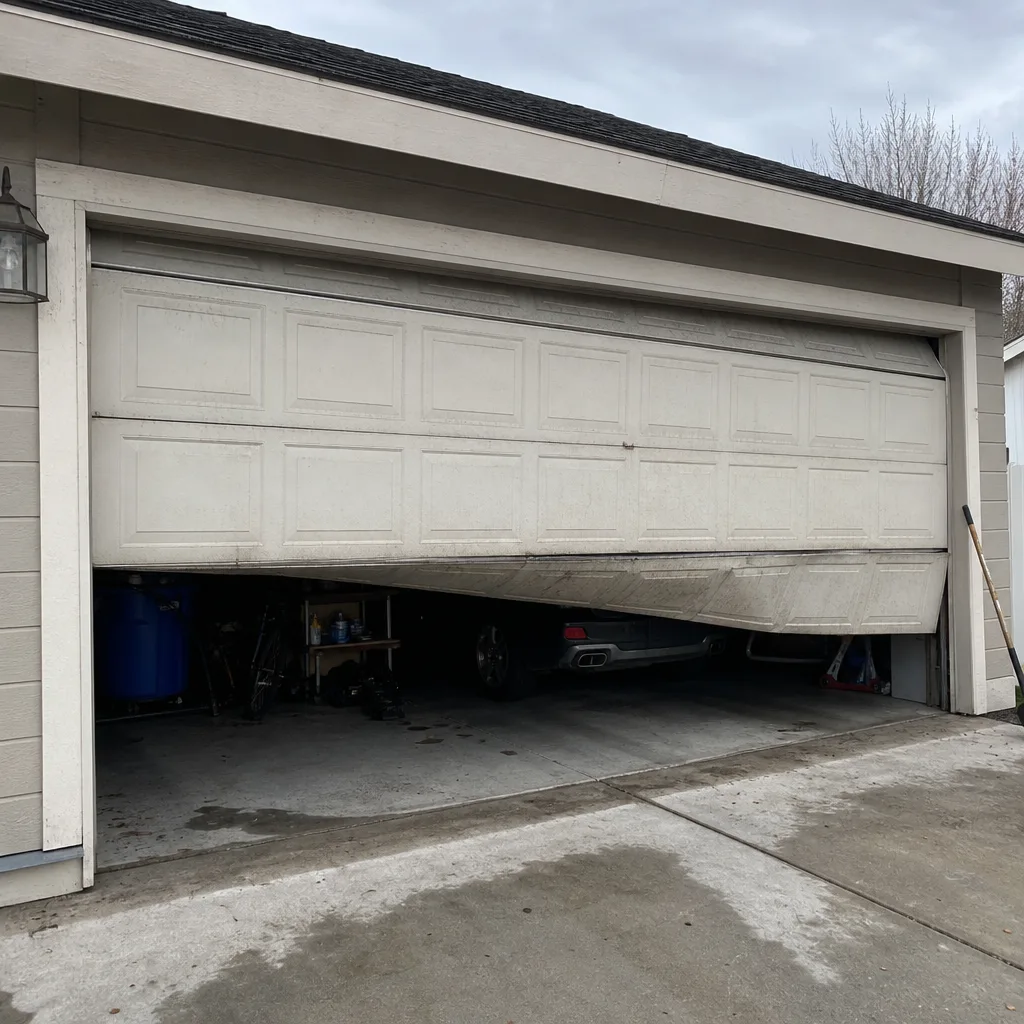
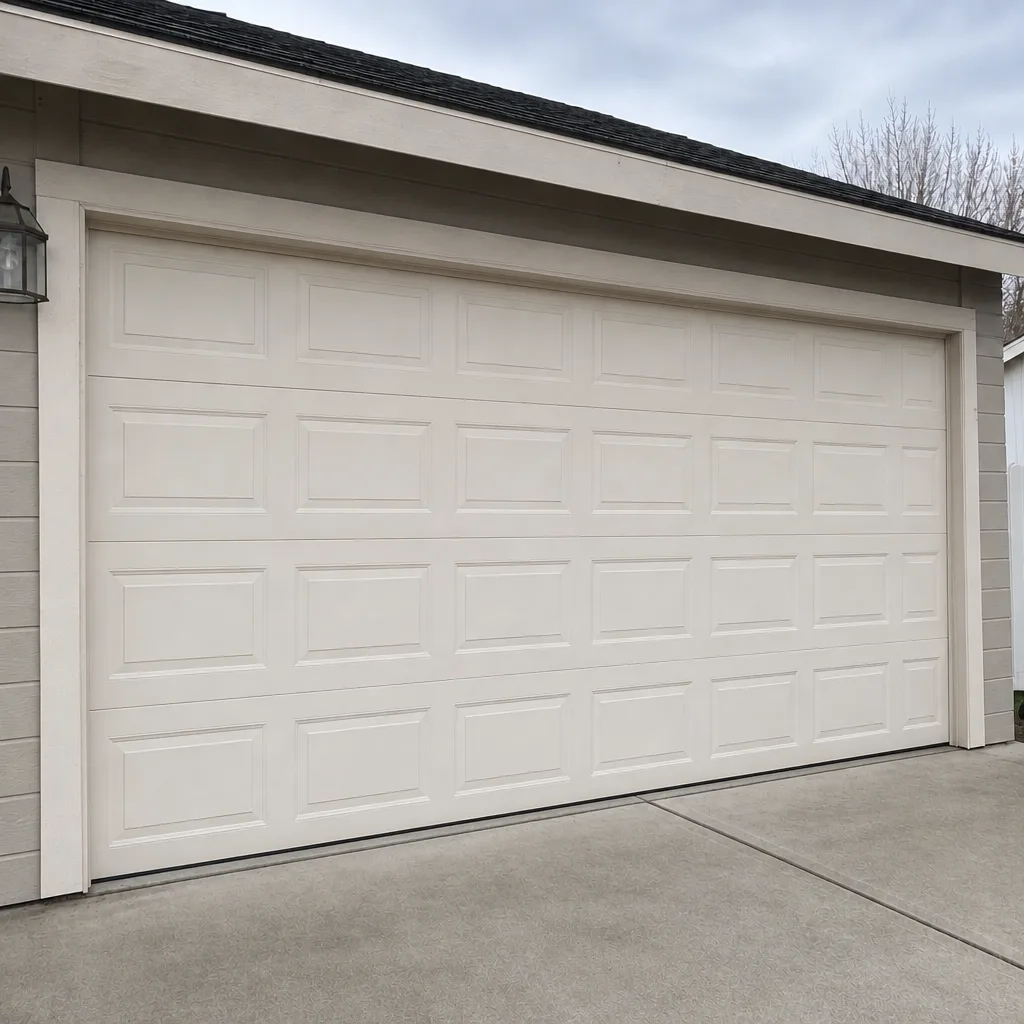
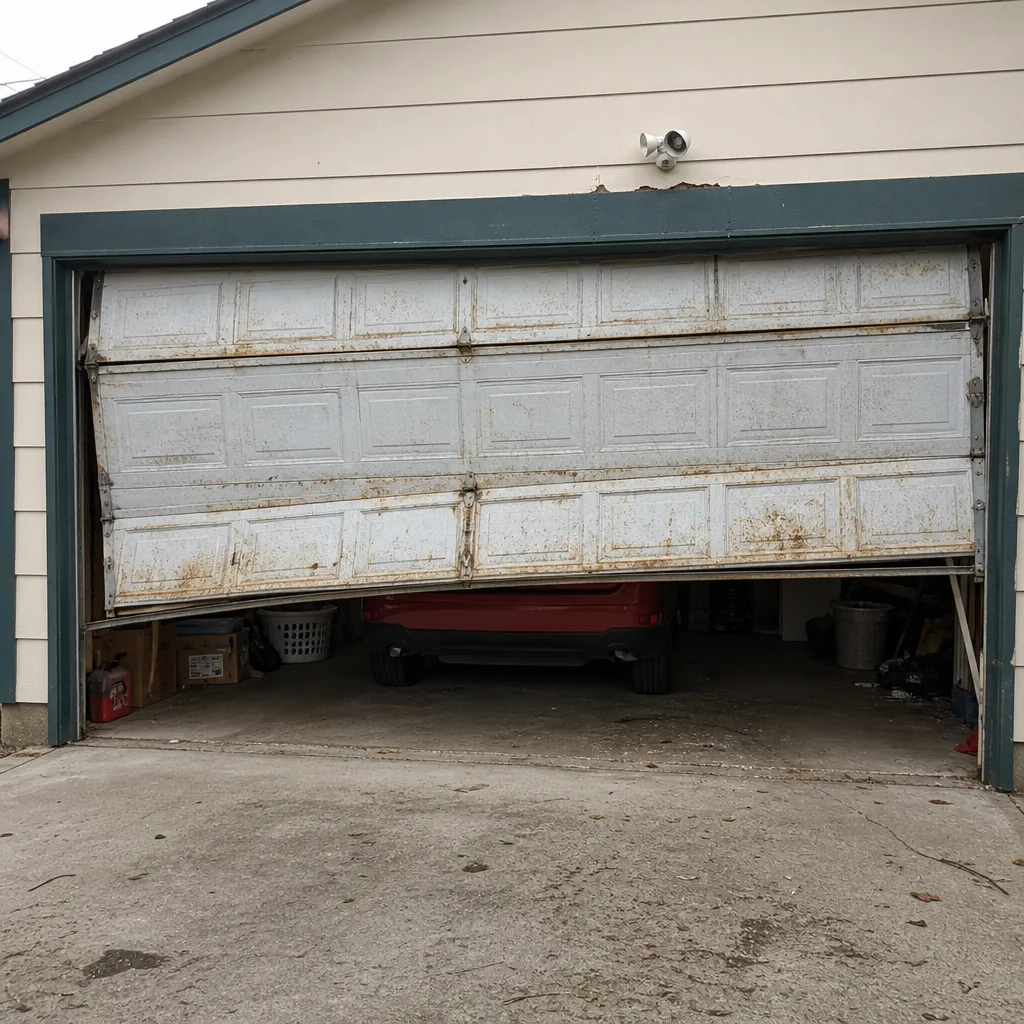
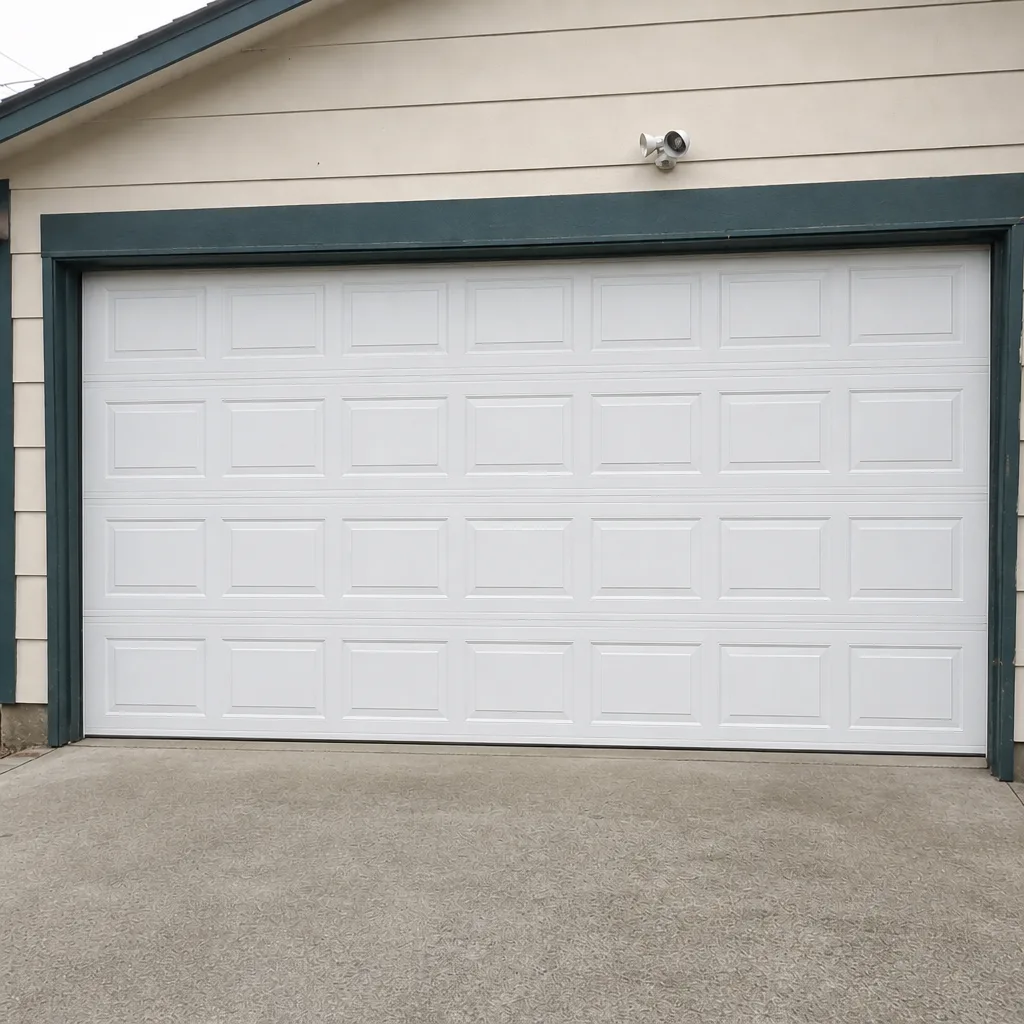
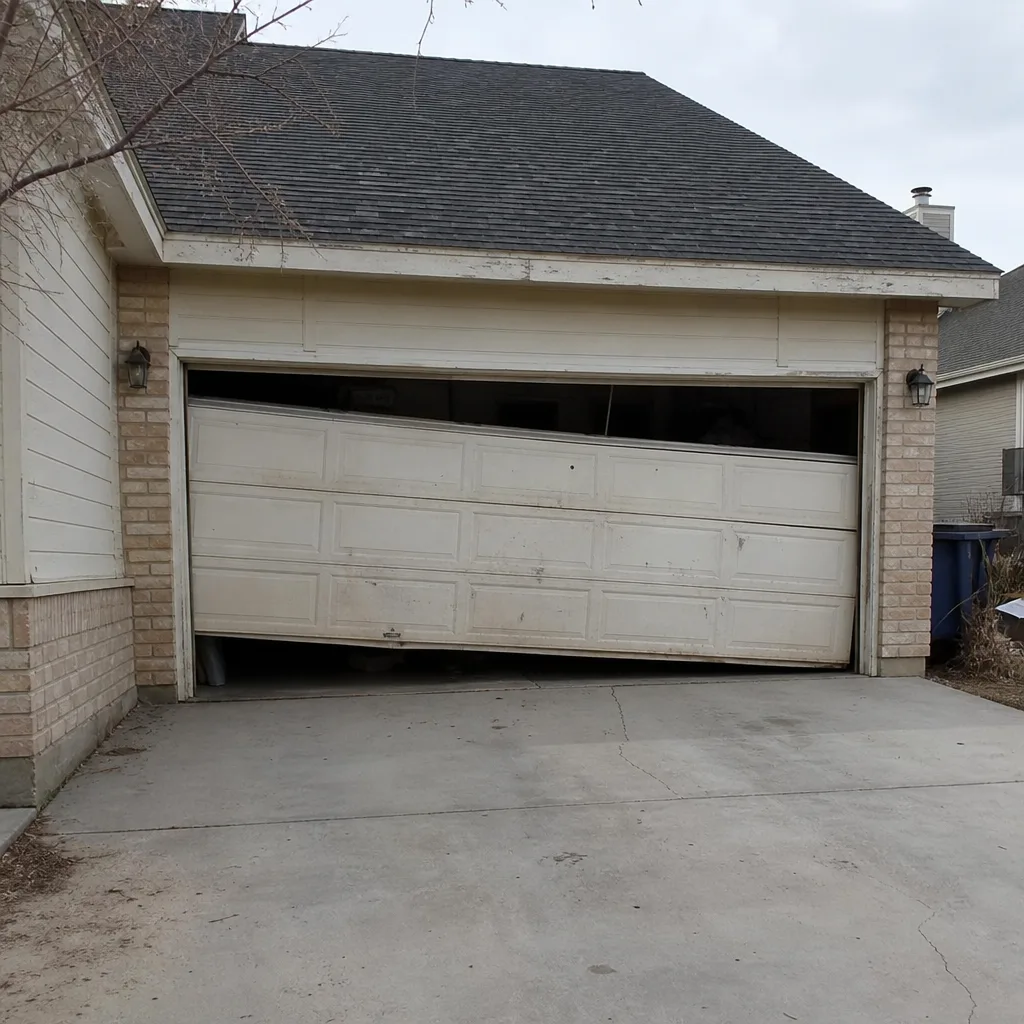
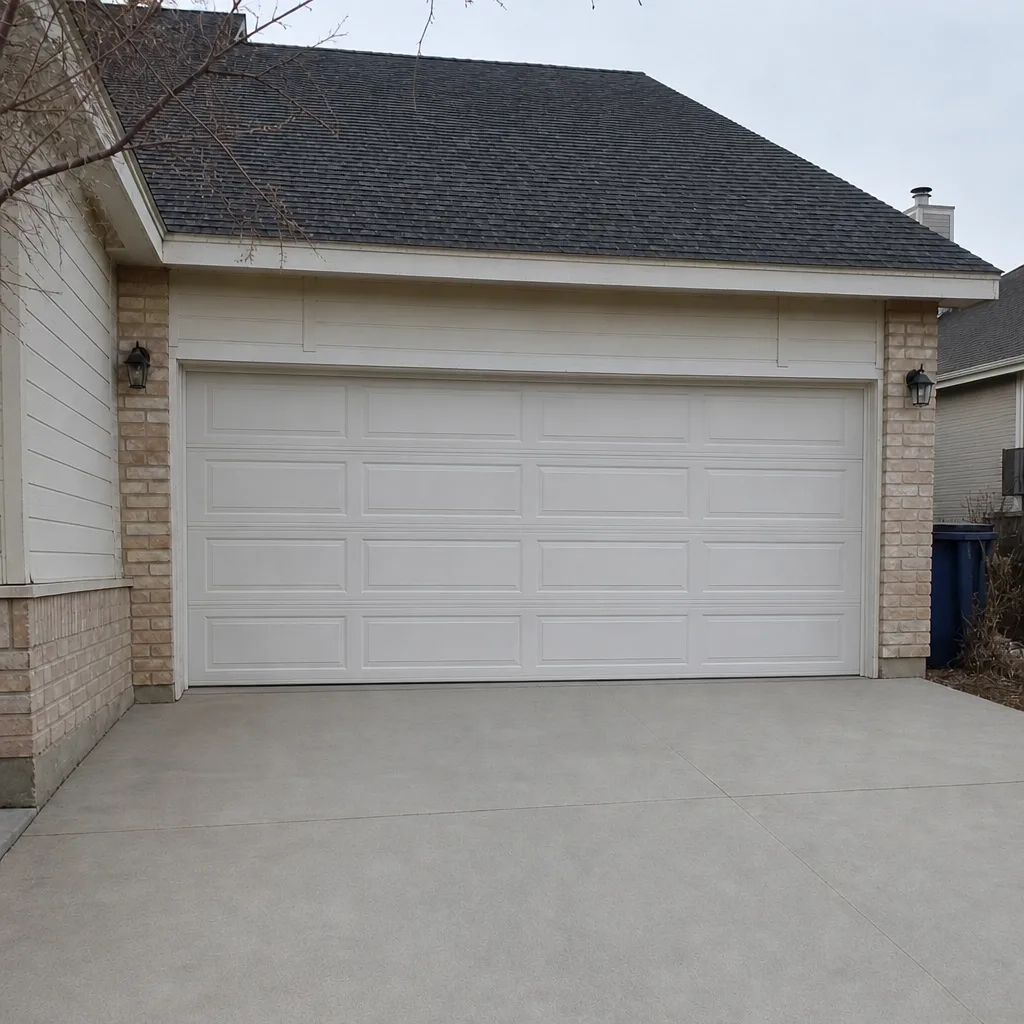
See the difference
 Before
 After
 Before
 After
 Before
 After
When to Call a Professional
Call a specialist when the task involves springs, cables, or anything that feels heavier or more dangerous than it should. Call when a balance test or reversal test fails twice, when you hear grinding that cleaning and lubricating don’t fix, or when you’ve noticed the same component failing every year. Call when the bottom seal or weatherstripping is brittle, cracked, or letting daylight through, because the fix is quick and the protection is real. And call if you’ve simply never had the door professionally inspected. Highland Garage Door Repair offers free estimates in Meridian. Our technicians have up to 15 years of experience, and garage doors are all we do, which means a more accurate diagnosis from the first visit. Reach us at Highland Garage Door Repair and get a free estimate. Call (833) 361-4641. We answer 24/7. Fast dispatch from 7am to 7pm, Sunday through Friday.
Frequently Asked Questions
Every three to four months is a good rule of thumb, and more often if the door gets noisy or if you’ve noticed grit collecting in the tracks. Meridian’s dusty, alkaline conditions strip lubricant away faster than wetter climates, so a quarterly routine keeps the moving parts protected.
The inside of the track and the photo-eye lenses should stay dry. Lubricant in the track collects dust and grit, which packs into the rollers and causes the grinding most homeowners are trying to fix. The photo-eyes need to stay clean to work. Call (833) 361-4641 for an exact quote on any repair – estimates are free.
A failing spring shows up in the balance test. You disconnect the door from the opener, lift it halfway by hand, and let go. A balanced door stays put. One that falls or rises on its own is out of balance, and the spring is usually the cause. Lift the door only when the balance test calls for it and stop if it feels unusually heavy. Call (833) 361-4641 for an exact quote – estimates are free.
Some homeowners can, but the seals on many modern doors are specific to the brand and door model, and getting one that fits right matters more than getting it cheap. If the seal is cracked, brittle, or letting daylight through, it’s worth having it replaced by a specialist who can match the right part. Call (833) 361-4641 for an exact quote – estimates are free.
Before winter, run the full twice-yearly checklist: lubricate every spring, hinge, roller, and bearing, inspect the cables, check the weatherstripping for gaps and hardening, and test the reversal and balance tests. Freeze-thaw cycles work on seals and joints through the winter, so getting ahead of them in the fall is the smartest timing.
If a task fails twice in a row, if a spring or cable is visibly damaged, if the reversal test fails, or if cleaning and lubricating don’t fix the noise, that’s the point to call a specialist. Repair is usually the right answer, and a good technician will tell you when it’s not.
The Bottom Line
Garage door maintenance in Meridian isn’t the same as maintenance on a door in a wet climate. Alkaline dust, freeze-thaw cycles, and summer UV all do their work, and the checklist that accounts for them is the one that actually protects your door. Lubricate the right three components and leave the track interior dry. Run the balance test and reversal test monthly. Check the bottom seal and weatherstripping more often than a national guide would tell you. And when a task has turned into a repair, call a specialist rather than pushing further. Highland Garage Door Repair offers free estimates in Meridian and works on eight leading brands. Call (833) 361-4641. We answer 24/7. Fast dispatch from 7am to 7pm, Sunday through Friday.
Written by the team at Highland Garage Door Repair.